Kemi Seba Case: South African Justice Reopens the Way for Extradition to Benin
South African courts have denied Kemi Seba diplomatic protection, a major setback in Benin's extradition request against the pan-African activist. This decision clears a path for his potential extradition to Benin, where he faces charges including incitement to rebellion …
Intelligence analysis by Gemini 2.5 Flash
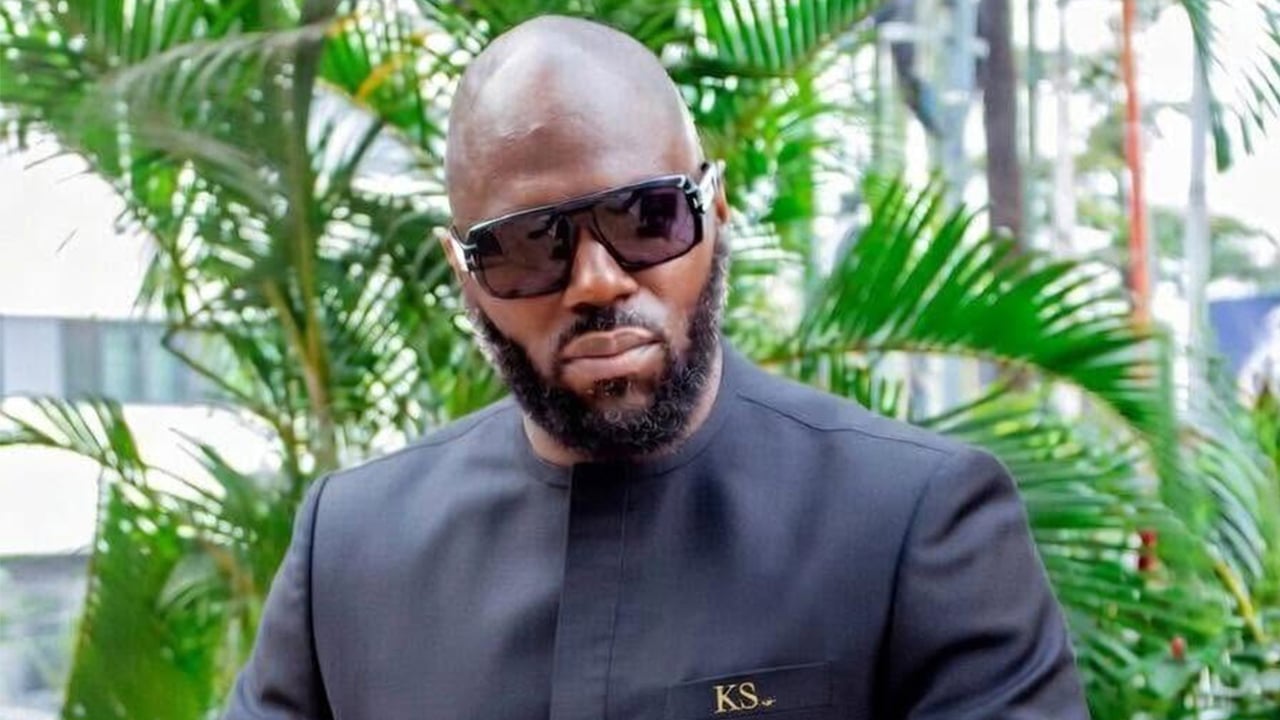
Kemi Seba, a prominent pan-African activist, faces extradition to Benin after South African judges rejected his claim of diplomatic immunity from Niger. Accused by Benin of serious offenses related to a coup attempt and financial crimes, Seba's defense now hinges on a November hearing, while questions arise about Niger's potential intervention.
Imagine a famous activist named Kemi Seba, who travels around Africa talking about big ideas. He got into trouble with the government in Benin, who say he encouraged bad things. He was caught in South Africa, and his lawyers said, "He's like a special messenger for another country, Niger, so you can't send him back!" But the South African judges looked at the rules and said, "Nope, he's not a special messenger here." So now, he might have to go back to Benin to face the music, and everyone is watching to see what Niger will do.
Analysis
Kemi Seba's Legal Battle
The recent ruling by South African justice marks a significant turning point in the extradition case against Kemi Seba, whose real name is Stellio Gilles Robert Capo Chichi. His legal team had sought to invoke diplomatic immunity, arguing that Seba held a diplomatic passport issued by Niger and was accredited as a diplomat. However, the South African judges found insufficient concrete evidence to support this claim, effectively stripping him of a key defense against extradition. This decision means that the legal proceedings can now advance to the substantive hearing on the extradition request itself, scheduled for November 20. The denial of diplomatic protection is a severe blow to Seba, as it removes a crucial layer of immunity that could have shielded him from the charges laid by Beninese authorities. Without this status, he is subject to the standard extradition process, which could see him returned to Benin to face trial. His lawyers have consistently maintained his innocence, portraying him as a victim of a smear campaign designed to discredit his activism and portray him as dangerous.
Benin's Accusations
The Beninese authorities have leveled serious accusations against Kemi Seba, primarily stemming from his alleged support for a December 2025 coup attempt against President Patrice Talon. Charges include "apology for crimes against the state," "incitement to hatred and violence," and "incitement to rebellion." These charges are linked to videos he reportedly disseminated on social media, expressing solidarity with the mutineers led by Lieutenant-Colonel Pascal Tigri. Beyond these political charges, Seba is also subject to an arrest warrant from June 2025, investigating suspicions of "money laundering" and "financing of terrorism," cases handled by Benin's Court for the Repression of Economic Offenses and Terrorism (Criet). These accusations paint a picture of an activist deeply involved in political destabilization and illicit financial activities, according to the Beninese government. The severity of the charges underscores Benin's determination to prosecute Seba, reflecting a broader regional concern about political stability and the role of influential figures in inciting unrest. The ongoing legal battle highlights the challenges faced by governments in balancing freedom of expression with national security concerns.
Niger's Role and Diplomatic Implications
Kemi Seba's claim to diplomatic status was rooted in his appointment as a "special advisor" by Abdourahamane Tiani, the head of Niger's junta, in August 2024, which included the issuance of a diplomatic passport. Niger's Foreign Minister, Bakary Yaou Sangaré, had even confirmed the regular attribution of this passport. Despite this, South African justice did not recognize his diplomatic immunity, focusing on the lack of concrete accreditation. This raises questions about the diplomatic weight of Niger's actions and whether Niamey will now exert pressure on South African authorities to prevent Seba's extradition. The situation is further complicated by the recent appointment of Abdourahamane Oumarou, a historical pan-Africanist activist who introduced Seba to Tiani, as Niger's Minister of Refoundation and Promotion of Social Values. This appointment suggests a continued commitment within Niger's government to figures aligned with pan-Africanist ideologies, potentially increasing the likelihood of diplomatic intervention. The outcome of this case could therefore have significant implications for inter-African diplomatic relations, particularly between countries with differing political alignments and approaches to regional activism.
Key points
- South African justice denied Kemi Seba diplomatic protection, rejecting his claim of accreditation by Niger.
- This decision removes a major barrier to his extradition to Benin, where he faces charges including incitement to rebellion and financing terrorism.
- The next substantive hearing on the extradition request is scheduled for November 20.
- Seba was arrested in April in Pretoria while allegedly attempting to flee South Africa with an expired visa and a "white supremacist" associate.
- Niger's junta leader, Abdourahamane Tiani, had appointed Seba as a "special advisor" and issued him a diplomatic passport in August 2024.
If the November hearing provides new evidence or legal arguments, Kemi Seba's defense could still prevent his extradition, potentially leading to a resolution that respects his rights while addressing the charges. A fair and transparent legal process in South Africa could reinforce the rule of law and international legal norms on the continent.
The denial of diplomatic protection significantly increases the likelihood of Kemi Seba's extradition to Benin, where he faces serious charges that could lead to a lengthy imprisonment. This outcome might be perceived by his supporters as politically motivated persecution, potentially fueling further unrest or diplomatic tensions between the involved African nations.

