Kennedy Center still weighing "partial closure," Trump admin. tells judge
The Kennedy Center is still deciding on its programming and public access options after a federal judge blocked the Trump administration's plan for a full closure and renaming of the institution.
Intelligence analysis by Gemini 2.5 Flash
Following a court order that reversed plans for a full closure and renaming of the Kennedy Center, the Trump administration informed a judge that the center's board will meet in mid-July to consider three options: full closure for repairs, partial closure with limited programming, or phased closures with more programming. This comes amidst accusations from a Democratic lawmaker's atto…
Imagine a big, important theater where plays and concerts happen. The people in charge wanted to close it for a long time and change its name, but a judge said no, they couldn't do that. Now, the theater's leaders are trying to figure out if they can still have some shows while fixing things, or if they have to close completely. Another group of people is upset, saying the leaders aren't trying hard enough to keep the shows going, like trying to turn the theater into an empty building.
Analysis
Judicial Intervention and Administrative Response
U.S. District Judge Christopher Cooper's ruling last month significantly altered the Trump administration's plans for the Kennedy Center. The judge not only blocked a proposed full closure of the institution until 2028 for renovations but also reversed an attempt to rename the center to include President Trump's name. This judicial intervention mandated that the administration provide detailed updates on construction plans, board actions, and future public access and programming, setting a deadline that prompted the recent court filing.
In response to Cooper's directive, the Justice Department, on behalf of the administration, indicated that the Kennedy Center's board is still deliberating its operational future. This ongoing deliberation suggests a direct consequence of the court's decision, forcing a re-evaluation of previously established plans. The administration's request for more time to respond to Rep. Joyce Beatty's lawsuit underscores the complexity and legal sensitivity of the situation, as they navigate the court's requirements while still pursuing necessary capital repairs.
Programming Dilemmas and Legal Contentions
Kennedy Center Executive Director Matt Floca outlined three potential paths forward for the institution: a complete shutdown for repairs, a partial closure allowing some public access and limited programming, or a series of phased closures designed to maximize programming. These options reflect the challenge of balancing essential maintenance with the center's mission to provide public access to the performing arts. The board's mid-July meeting is crucial for determining the immediate future of the center's offerings.
However, the legal battle is far from over. Attorneys for Democratic Rep. Joyce Beatty have vehemently pushed back against the Justice Department's stance, accusing government officials of implementing a "shutdown decision by inertia" and attempting to transform the Kennedy Center into a "lifeless husk." They cited the discontinuation of the popular play "Shear Madness" as an example of programming being "gutted" and argued that the administration is failing to take "obvious steps" to restore meaningful operations by the July 5 deadline. Beatty's legal team is now seeking weekly updates and a schedule for discovery in the lawsuit, indicating a desire for more aggressive judicial oversight.
The Renaming Controversy and Board Authority
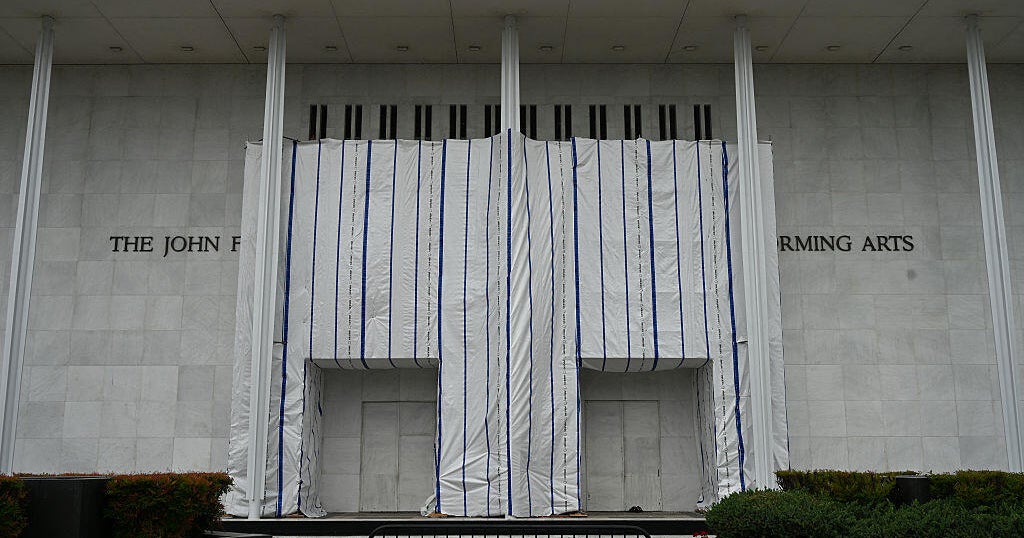
The controversy extends beyond programming to the very identity of the institution. Judge Cooper's order also mandated the removal of Mr. Trump's name from the Kennedy Center's facade, digital presence, and official materials. This directive was swiftly implemented, with signage removed and online references updated. However, Beatty's lawyers criticized the continued presence of a tarp concealing the area where Trump's name once was, calling it a "willfully sabotaging" act and a "clear breach of fiduciary duty" driven by "vanity or massage broken egos."
Cooper's ruling was rooted in his finding that the Kennedy Center's Board of Trustees, largely composed of Trump administration officials and allies, overstepped its authority in unilaterally renaming the institute. Furthermore, the judge deemed the board "derelict in discharging the full range of its responsibilities" when it ratified the decision to close the center for two years. This highlights concerns about the politicization of federal cultural institutions and the proper governance of their boards, especially given Mr. Trump's actions to replace several board members with his advisers and supporters shortly after taking office for his second administration.
Key points
- A federal judge blocked the Trump administration's plan to fully close the Kennedy Center until 2028 and rename it.
- The Kennedy Center's board is weighing three options: full closure, partial closure with limited programming, or phased closures.
- Democratic Rep. Joyce Beatty's lawyers accuse the government of "implementing their shutdown decision by inertia" and failing to restore programming.
- Mr. Trump's name was removed from the center's facade and digital presence, but a tarp still covers the area where it was, drawing criticism.
- The judge found the Kennedy Center's board overstepped its authority in renaming the center and was "derelict" in its duties regarding the closure.
If the Kennedy Center's board opts for a partial or phased closure, it could allow essential repairs to proceed while maintaining some level of public access and programming, ensuring the institution continues to serve its cultural mission without a complete shutdown. This would demonstrate a commitment to balancing operational needs with public service, potentially leading to a more robust and accessible center in the long run.
The ongoing legal dispute and the administration's perceived reluctance to fully restore programming could lead to a prolonged period of limited public access and reduced cultural offerings at the Kennedy Center. This could diminish the institution's role as a vibrant performing arts hub and potentially set a precedent for political interference in the management of national cultural assets.