Kenya's gold rush: Was it sparked by the discovery of a $200 nugget by a goat herder?
A goat herder's discovery of a gold nugget in western Kenya may have sparked a gold rush, drawing thousands of prospectors to a remote village, transforming the landscape and creating both opportunities and challenges.
Intelligence analysis by Gemini 2.5 Flash
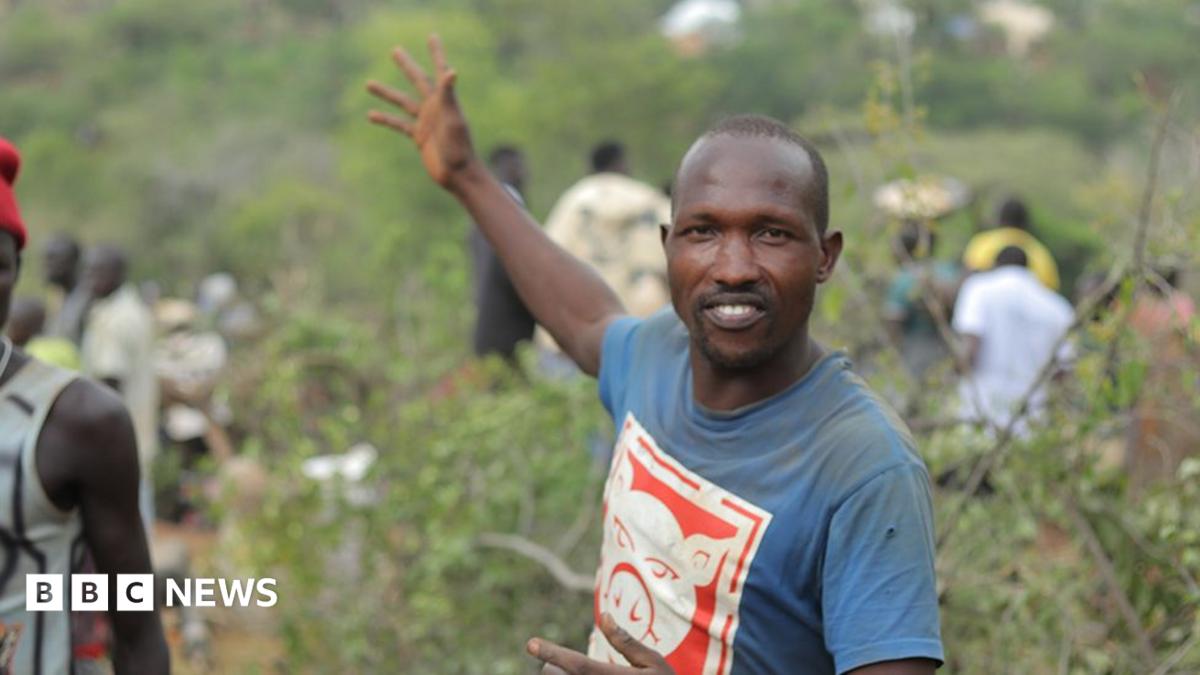
Thousands of prospectors, including many from neighboring Uganda, have flocked to Cheporor village in western Kenya after reports of a significant gold find. The influx has transformed the once-remote bushland into a bustling, makeshift mining camp, with individuals hoping to escape poverty and pay for necessities like school fees, while also spurring a secondary economy of vendors.
Imagine a goat herder in Kenya found a shiny, valuable rock, like a tiny treasure, and sold it for enough money to make a big difference. When word got out, thousands of people, like a swarm of ants, rushed to the same spot hoping to find their own treasure. They're digging holes and sifting dirt, all dreaming of finding gold to help their families, even though it's hard work and they live in rough camps without much water.
Analysis
Manasse Lomachar
Manasse Lomachar, a 33-year-old goat herder, is credited by many with sparking the recent gold rush in Cheporor, western Kenya. His sale of three grams of gold for 36,000 Kenyan shillings ($280) several weeks ago reportedly ignited widespread excitement. While local authorities suggest other discoveries also played a role, Lomachar's personal account of finding gold by chance while searching for a lost goat underscores the serendipitous nature of such finds in informal mining contexts.
His story, whether fully accurate or embellished by rumor, serves as a powerful narrative for the thousands who have since descended upon the area. It embodies the hope that a single lucky strike can dramatically alter one's economic fortunes. This individual success story fuels the collective aspiration of many who face precarious livelihoods, often dependent on unreliable farming incomes, driving them to endure harsh conditions in pursuit of similar gains.
West Pokot
The gold rush has profoundly impacted West Pokot county, particularly the remote Cheporor village, which borders Uganda. What was once bushland and grazing ground is now scarred by mining pits, earth mounds, and temporary camps, reflecting the rapid and unregulated nature of the activity. Local authorities, like Deputy Commissioner Samuel Kiarie, estimate that at its peak, around 10,000 people arrived, though numbers have since settled to about 2,500 as initial excitement wanes and the difficulty of finding gold becomes apparent.
The county's proximity to Uganda, with its long-standing social and family ties, facilitates cross-border movement, drawing artisanal miners like Mugisha Godfrey from Busia. This highlights how such economic opportunities can transcend national borders, creating regional migration patterns. The authorities are now grappling with the social implications, including ensuring children return to school when the term starts in September, and addressing the severe lack of basic services in the rapidly expanded settlement.
Irene Ameja
Beyond the direct search for gold, the influx of prospectors has created a vibrant, albeit informal, secondary economy. Local officials report that over 200 businesses have emerged around the mining site, catering to the needs of the new population. These enterprises sell essential goods such as food, water, soft drinks, bread, and milk, providing opportunities for entrepreneurs like Irene Ameja, who traveled from neighboring Baringo county.
Ameja's story illustrates how the gold rush, while challenging for many miners, can offer alternative avenues for income generation for those providing services. She hopes to earn enough to expand her existing business, demonstrating the entrepreneurial spirit that thrives even in difficult environments. However, her experience also underscores the severe infrastructural deficits, with a lack of clean water and safety concerns, particularly for women, highlighting the urgent need for basic amenities in such rapidly developing, informal settlements.
Key points
- A goat herder's $280 gold nugget discovery may have sparked a gold rush in Cheporor, western Kenya.
- Approximately 10,000 prospectors initially flocked to the remote village, with about 2,500 remaining.
- Miners, including many from neighboring Uganda, are seeking gold to escape poverty and pay for school fees.
- The rapid influx has led to the emergence of over 200 businesses selling essentials, but also exposed a severe lack of basic services like clean water.
- While some gold has been found, questions remain about the deposit's commercial viability and the long-term prospects for most artisanal miners.
The gold rush offers a vital, albeit informal, economic lifeline for thousands of individuals and families struggling with poverty and unreliable farming incomes. For those who find even small amounts of gold, it can provide immediate funds for education, food, and basic necessities, while the burgeoning local businesses create new income streams for vendors and service providers.
Many prospectors face harsh living conditions, including sleeping under trees and lacking clean water, with no guarantee of finding gold. The initial excitement has already seen numbers drop, suggesting that for most, the dream of striking it rich will likely end in disappointment, leaving them with little to show for their arduous efforts.