Kevin Warsh Made His First Big Move as Fed Chair, and the Bond Market Has Taken Action -- but Most Investors Missed It
New Fed Chair Kevin Warsh eliminated forward guidance from FOMC statements, a move that has already caused Treasury yields to rise, impacting bond prices.
Intelligence analysis by Gemini 2.5 Flash
Kevin Warsh, the new Federal Reserve Chair, has implemented his first major policy change by removing forward guidance from FOMC statements. This shift, intended to make the Fed more "reform-oriented," has introduced uncertainty, leading to an uptick in bond yields and potentially higher borrowing costs, which could threaten the AI-driven stock market rally.
Imagine the person in charge of the country's money, like a referee in a game, used to tell everyone their next few moves so players could plan. Now, the new referee, Kevin, has decided to stop giving those hints. This makes players guess more, and because of that, the cost of borrowing money (like a loan for a big toy) is going up, even though Kevin hasn't officially changed the rules. This could make it harder for big companies to build new computer brains for AI, which might slow down the exciting growth we've seen in the stock market.
Analysis
Kevin Warsh's ascension to Federal Reserve Chair marks a significant departure from previous leadership, signaling a new era for U.S. monetary policy. His initial actions and stated philosophies suggest a central bank less inclined towards the transparency and predictability that markets have grown accustomed to. This shift, particularly the abandonment of forward guidance, introduces a layer of uncertainty that is already manifesting in the bond market and poses potential challenges for the broader equity landscape.
Warsh's Reform Agenda Takes Shape
From his Senate Banking Committee testimony, it was clear that Kevin Warsh intended to steer the Federal Reserve in a "reform-oriented" direction. He openly criticized the central bank's expanded balance sheet, advocating for a deleveraging process to reduce the Fed's involvement in fiscal matters. Furthermore, Warsh expressed a desire to redefine inflation, viewing price stability as a state where "no one's talking about it." This redefinition could grant the Federal Open Market Committee (FOMC) greater flexibility in policy adjustments, but it simultaneously risks eroding the decades-long transparency that has been a cornerstone of Wall Street's operations. His philosophical underpinnings suggest a more hands-off, less communicative approach to monetary policy.
The End of Forward Guidance
Warsh's first concrete move as Fed Chair was to eliminate forward-looking guidance from the FOMC's meeting statement, a practice common since 2003. While previous guidance wasn't strictly binding, it offered markets a crucial roadmap for future interest rate policy, fostering predictability for both bond and equity traders. The abrupt removal of this guidance has injected a new degree of speculation into the bond market. Immediately following this decision, Treasury bill and bond yields experienced a decisive uptick, signaling a depression in bond prices. This reaction is particularly notable given that U.S. inflation recently reached a three-year high, exacerbated by the ongoing Iran war, prompting bond traders to push yields higher in the absence of clear forward signals from the Fed.
Ripple Effects on the Stock Market
The implications of Warsh's policy shift extend beyond the bond market, potentially spelling trouble for the historically high-priced stock market. Even without directly altering the federal funds target rate, Warsh's actions are influencing interest rates through market dynamics, leading to higher lending costs. This rise in borrowing expenses could significantly impact the stock market's primary growth driver: the massive artificial intelligence (AI) data center build-out. If the expansion of AI infrastructure slows or faces impediments due to increased Treasury yields and higher capital costs, it could effectively halt Wall Street's current AI-driven rally. This scenario presents a substantial risk to the equity market, which has seen major indices like the Dow Jones, S&P 500, and Nasdaq Composite reach new highs, largely fueled by AI enthusiasm.
Key points
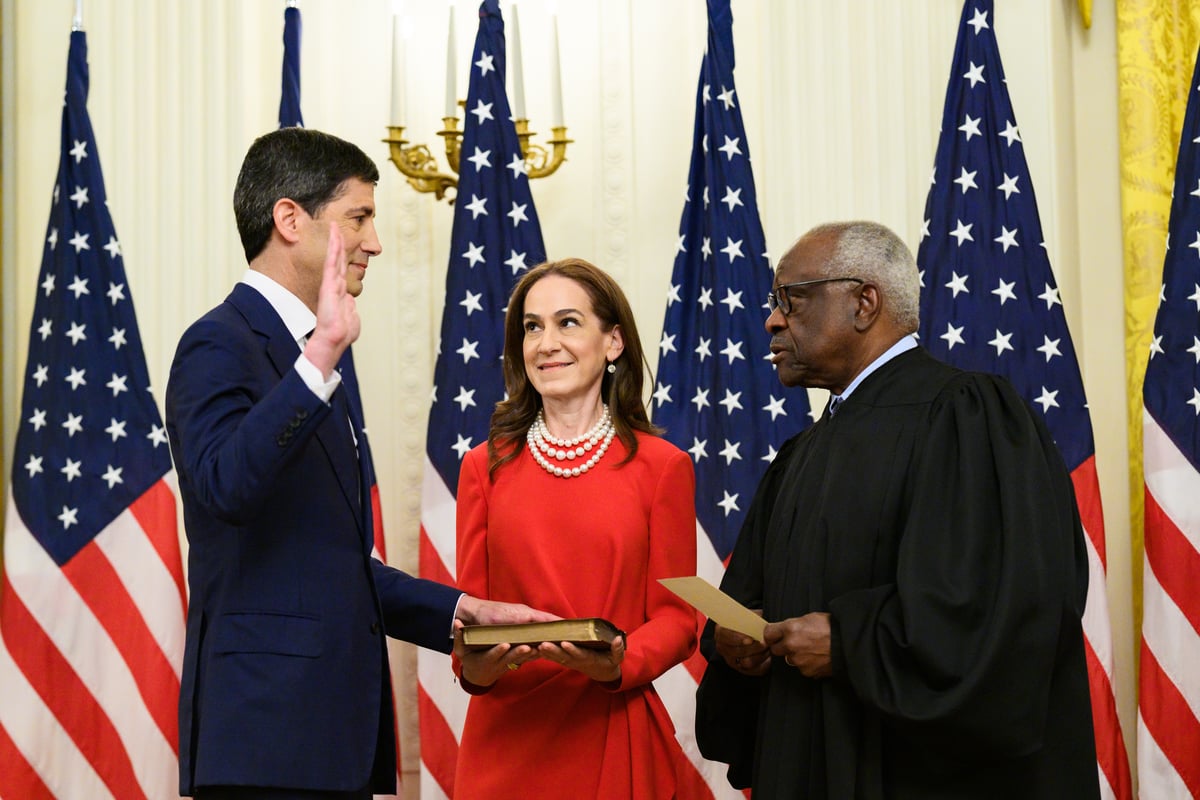
- Kevin Warsh was sworn in as the new Fed Chair on May 22, succeeding Jerome Powell.
- Warsh's first major move was to eliminate forward-looking guidance from FOMC statements, a practice common since 2003.
- This action has led to a decisive uptick in Treasury bill and bond yields, indicating depressed bond prices.
- Higher yields could translate into increased borrowing costs, potentially slowing the AI data center build-out.
- The slowdown in AI infrastructure expansion could threaten the stock market's historic AI-driven rally.
The removal of forward guidance by Fed Chair Warsh introduces significant market uncertainty, potentially leading to sustained higher Treasury yields and increased borrowing costs. This could impede the critical AI data center build-out, which is a major catalyst for the stock market, ultimately spelling the end of the current AI-driven rally and causing a broader market downturn.