Kevin Warsh may be the adult in the room. But can he calm the US economy?
The Federal Reserve, under Chair Kevin Warsh, raised interest rates for the first time in three years, signaling seriousness about curbing inflation despite White House pressure.
Intelligence analysis by Gemini 2.5 Flash Lite
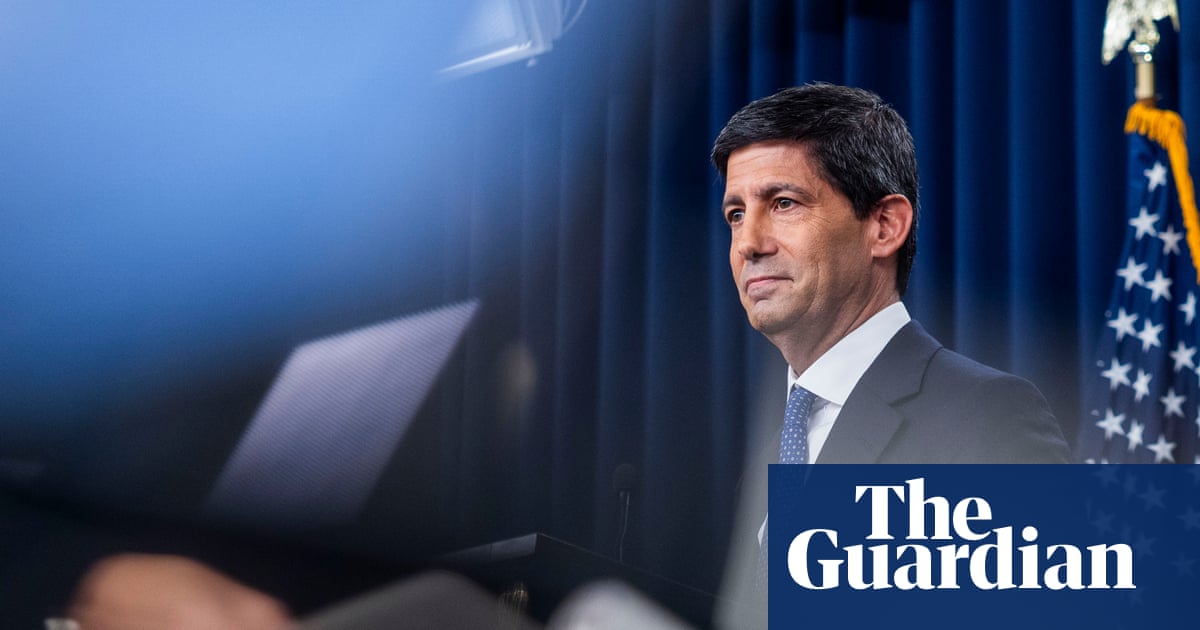
Despite intense pressure from President Trump and his administration, Federal Reserve Chair Kevin Warsh led a unanimous decision to raise interest rates, a move seen as a commitment to economic orthodoxy amidst broader administration policies like tariffs and trade threats.
Imagine the economy is a car that's going too fast and getting too hot. The Fed is like the driver who needs to gently tap the brakes (raise interest rates) to slow it down and cool it off, even if some passengers (like the President) are yelling to go faster.
Analysis
Warsh's Resolve
Kevin Warsh, as the Federal Reserve chair, has navigated a complex economic landscape marked by persistent inflation and significant political pressure. His leadership culminated in a unanimous decision to raise interest rates, a move that directly confronts inflation exceeding the Fed's 2% target. This action, occurring shortly before crucial elections, underscores a commitment to economic orthodoxy, even when it clashes with the prevailing sentiment from the White House. Warsh's stance is particularly notable given the administration's often contradictory economic pronouncements, including threats to alter trade relationships and demands for lower interest rates.
Administration's Economic Discord
The Federal Reserve's hawkish stance stands in stark contrast to the broader economic initiatives of the Trump administration. Policies such as widespread tariffs, the conflict in Iran impacting energy markets, and promises of significant fiscal stimulus create a volatile environment. This discordance highlights a fundamental tension between the Fed's mandate for price stability and the administration's more protectionist and expansionary fiscal agenda. The market's current calm appears to be a temporary acceptance of the Fed's relative sanity amidst the administration's more erratic economic pronouncements.
Market Reaction and Future Outlook
Financial markets reacted with initial volatility to the rate hike, with the S&P 500 declining and bond yields rising. However, investors seem to be pricing in a degree of stability from the Fed's monetary policy, at least for the short term. The Fed's commitment to curbing inflation, if sustained, could lead to reduced inflation expectations, lower long-term yields, and ultimately more affordable borrowing costs for businesses and consumers. Nevertheless, the ongoing volatility from administration policies, such as trade threats and geopolitical tensions, suggests that market participants must remain vigilant.
Key points
- The Federal Reserve unanimously decided to raise interest rates for the first time in three years.
- This move signals the Fed's seriousness in combating inflation exceeding its 2% target.
- The decision contrasts sharply with the Trump administration's economic policies and rhetoric, including trade threats and demands for lower rates.
- Financial markets showed initial volatility but appear to be betting on the Fed's relative stability.
- Sustained hawkishness from the Fed could stabilize markets and lower long-term borrowing costs.
If the Federal Reserve's commitment to raising interest rates is sustained, it could effectively curb inflation, leading to greater price stability. This would likely calm financial markets, reduce long-term inflation expectations, and ultimately lower borrowing costs for consumers and businesses, fostering a more predictable economic environment.
The administration's continued unpredictable economic policies, including trade wars and fiscal expansion, could counteract the Fed's efforts to control inflation. This could lead to persistent price pressures, increased market volatility, and a higher cost of servicing the national debt, potentially undermining economic stability.