Kolumbiens New President Will Limit Diplomatic Contacts
Kolumbiens new president, Abelardo de la Espriella, has announced plans to limit diplomatic contacts with Cuba and Nicaragua after taking office on August 7. He stated that his government will have no relations with 'tyrannies'.
Intelligence analysis by Llama
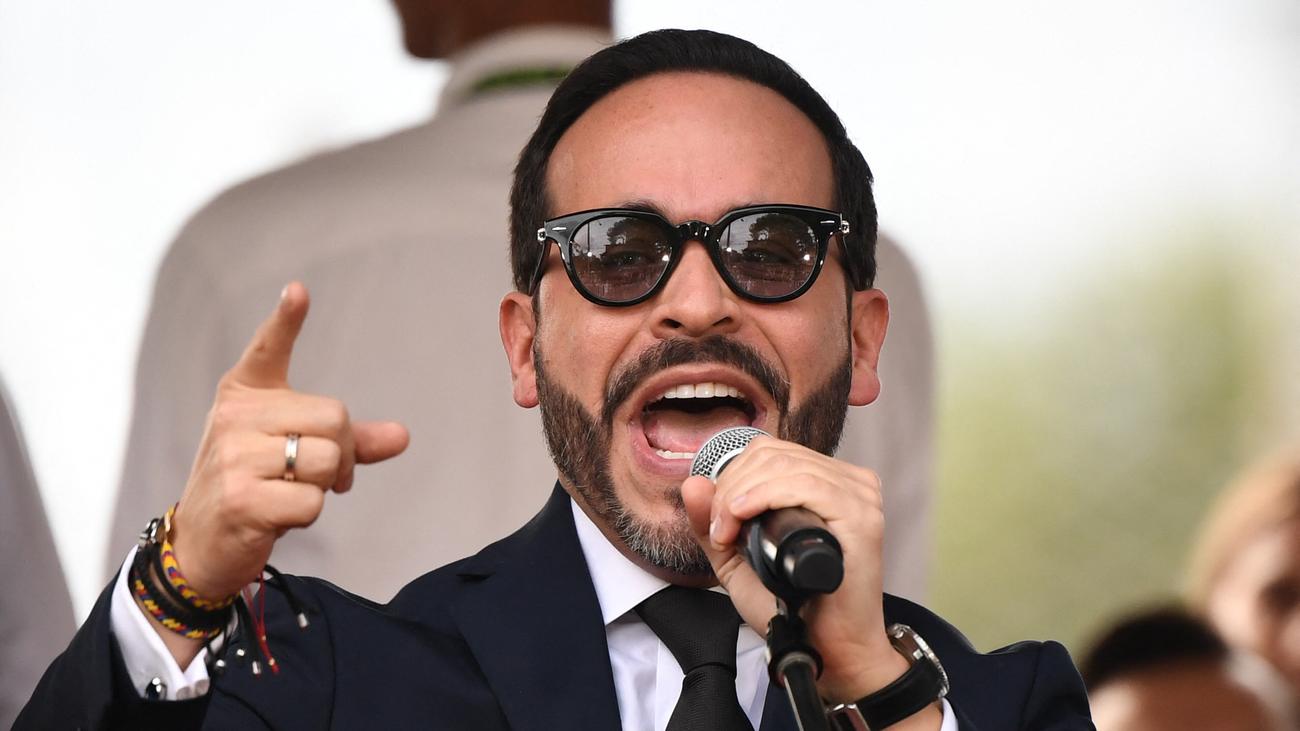
Kolumbiens new president, Abelardo de la Espriella, plans to limit diplomatic contacts with Cuba and Nicaragua. He has announced the closure of 15 consulates and 14 embassies, affecting countries such as Algeria, Haiti, and South Africa. However, this does not mean a direct break in diplomatic relations.
Kolumbiens new president, Abelardo de la Espriella, wants to limit how much his country talks to Cuba and Nicaragua. He's closing some of their offices and opening a new one in Nigeria. This is a big change in how Colombia interacts with other countries.
Analysis
A New Era in Diplomacy: Colombia's Shift in Foreign Policy
Abelardo de la Espriella's announcement marks a significant shift in Colombia's foreign policy. By limiting diplomatic contacts with Cuba and Nicaragua, he is sending a strong message that his government will not engage with 'tyrannies'. This move is likely to have far-reaching consequences, not only for Colombia's relations with these countries but also for its global standing.
The Impact on Regional Relations
The closure of consulates and embassies will undoubtedly affect regional relations. Colombia's decision to limit diplomatic contacts with Cuba and Nicaragua may lead to a reevaluation of its relationships with other countries in the region. This could have significant implications for regional stability and security.
A New Focus on Africa
De la Espriella's plan to establish a new embassy in Nigeria marks a significant shift in Colombia's focus on Africa. By strengthening its diplomatic presence on the continent, Colombia aims to expand its economic and political influence. This move is likely to have a positive impact on regional relations and trade.
The Road Ahead
As de la Espriella takes office, it remains to be seen how his government will navigate the complex web of international relations. His commitment to limiting diplomatic contacts with Cuba and Nicaragua is a clear indication of his priorities. However, the road ahead will be challenging, and it remains to be seen how his government will balance its foreign policy goals with the need for regional stability and security.
Key points
- Kolumbiens new president, Abelardo de la Espriella, plans to limit diplomatic contacts with Cuba and Nicaragua.
- He has announced the closure of 15 consulates and 14 embassies, affecting countries such as Algeria, Haiti, and South Africa.
- The establishment of a new embassy in Nigeria marks a significant shift in Colombia's focus on Africa.
- De la Espriella's government aims to limit diplomatic contacts with 'tyrannies', sending a strong message to the international community.
- The road ahead will be challenging, and it remains to be seen how de la Espriella's government will balance its foreign policy goals with the need for regional stability and security.
If de la Espriella's government is successful in limiting diplomatic contacts with Cuba and Nicaragua, it could lead to a more stable and secure region. Additionally, the establishment of a new embassy in Nigeria could strengthen Colombia's economic and political influence on the continent.
The closure of consulates and embassies could lead to a breakdown in regional relations, potentially destabilizing the region. Furthermore, the reevaluation of Colombia's relationships with other countries could have far-reaching consequences, including a potential decline in regional trade and economic cooperation.

