Kramer Warns of Radicalization of Young People After Berlin CSD Attack
Thuringia's Verfassungsschutzpräsident Stephan Kramer warns of a growing radicalization of children and young people, citing the recent Berlin CSD attack. He calls for more opportunities for authorities to identify vulnerable minors early on.
Intelligence analysis by Llama
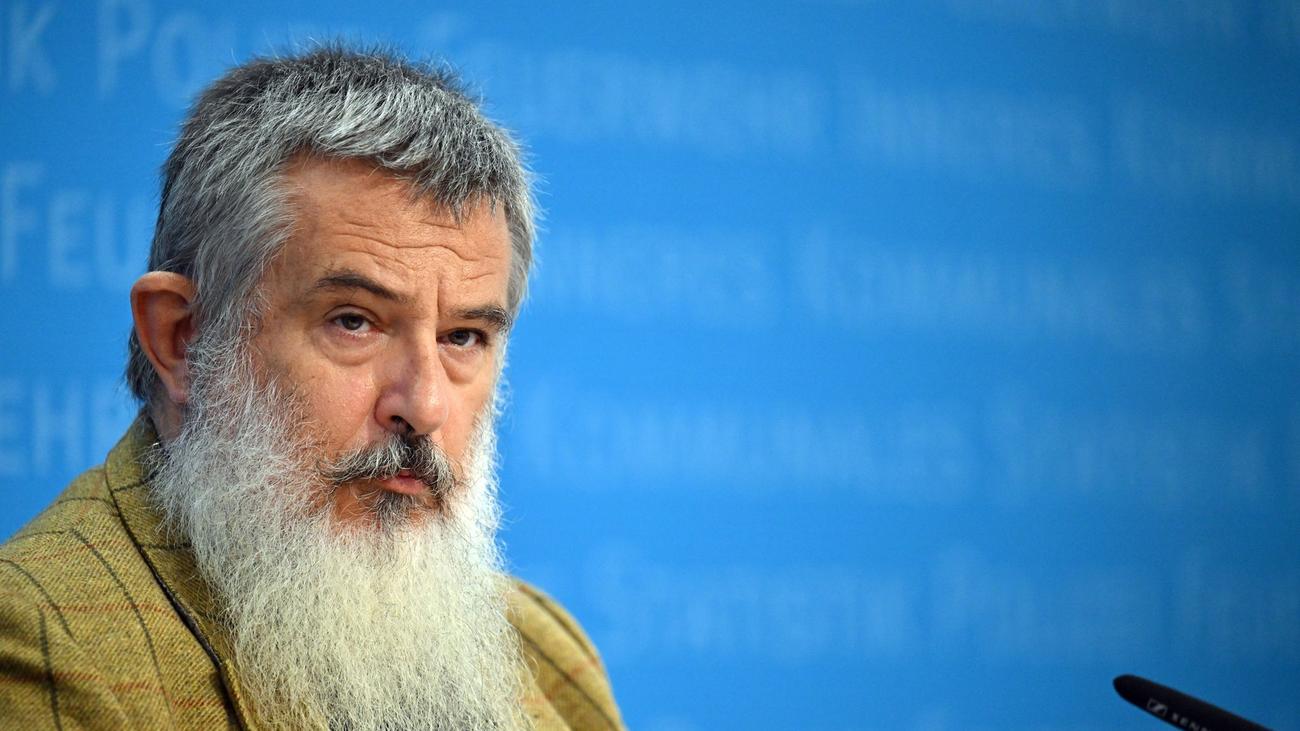
Kramer warns of radicalization of young people, citing the Berlin CSD attack. He calls for more opportunities for authorities to identify vulnerable minors early on, and for the youth welfare system to be better equipped to help them.
Kramer is warning that some young people are being tricked into joining groups that want to hurt others. He thinks that we should help these young people before they get too far down the wrong path. This way, we can prevent them from becoming a threat to society.
Analysis
A Growing Threat: Radicalization of Young People
Kramer's warning is a stark reminder of the growing threat of radicalization among young people. The recent Berlin CSD attack, carried out by a 21-year-old man, has highlighted the need for authorities to take a more proactive approach in identifying and addressing this issue. According to Kramer, young people are particularly vulnerable to radicalization, especially during adolescence. This is a critical period in their development, and they are more susceptible to emotional manipulation, which can later lead to radicalization. The consequences of radicalization can be severe, and young people who are radicalized can become a significant threat to society.
The Need for Early Intervention
Kramer emphasizes the need for early intervention and prevention in addressing radicalization among young people. He suggests that authorities should be able to identify and support vulnerable minors earlier, rather than waiting for them to become radicalized. This requires a more proactive approach, with a focus on prevention and early intervention. The youth welfare system should be better equipped to help young people who are at risk of radicalization, and authorities should have more opportunities to identify and support them.
A Call for Action
Kramer's warning is a call to action for authorities and policymakers to take a more proactive approach in addressing radicalization among young people. He suggests that a legislative framework should be established to allow authorities to identify and support radicalized minors more easily. This would enable authorities to inform other help institutions about vulnerable individuals, allowing for more effective support and prevention. Kramer's warning highlights the need for a more comprehensive approach to addressing radicalization among young people, one that prioritizes prevention and early intervention.
Key points
- Kramer warns of a growing radicalization of young people, citing the Berlin CSD attack.
- He calls for more opportunities for authorities to identify vulnerable minors early on.
- Kramer suggests that the youth welfare system should be better equipped to help young people who are at risk of radicalization.
- A legislative framework should be established to allow authorities to identify and support radicalized minors more easily.
- Kramer's warning highlights the need for a more comprehensive approach to addressing radicalization among young people.
If authorities take a more proactive approach in identifying and supporting vulnerable young people, we may be able to prevent some of them from becoming radicalized. This could lead to a reduction in the number of young people who are radicalized and a decrease in the threat they pose to society.
If we fail to address the issue of radicalization among young people, we may see an increase in the number of young people who are radicalized and a corresponding increase in the threat they pose to society. This could lead to more attacks like the one in Berlin and a greater risk to public safety.