Kremlin links to new £600m UK theme park
New evidence suggests French theme park company Puy du Fou maintained ties with a sanctioned Russian oligarch, Konstantin Malofeyev, for longer than previously disclosed, potentially testing EU sanctions.
Intelligence analysis by Gemini 2.5 Flash Lite
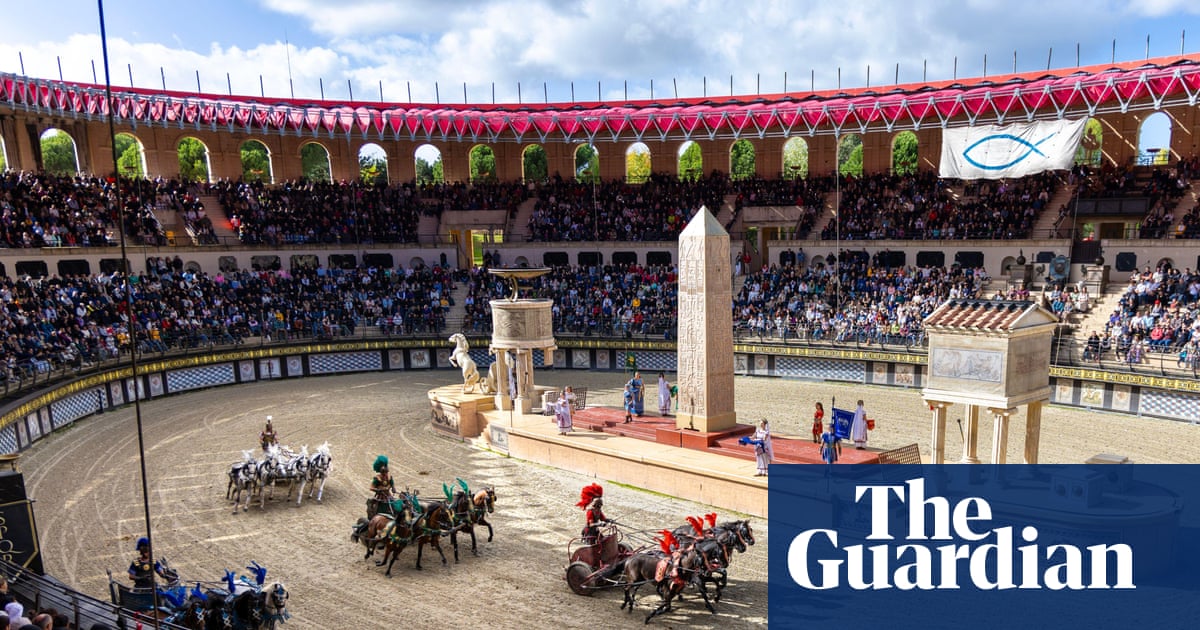
Puy du Fou, the French theme park operator planning a £600m UK site, is facing scrutiny over its past business dealings with sanctioned Russian oligarch Konstantin Malofeyev. Documents indicate their partnership continued for months after sanctions were imposed, and the company also courted other autocratic regimes like Iran and China.
Imagine a company that wants to build a big fun park in the UK, like Disneyland. But it turns out they might have been friends with some people who were in trouble with the law in other countries, and they kept being friends for longer than they said. This makes people wonder if they are trustworthy to build something so big here.
Analysis
A Prolonged Partnership with a Sanctioned Oligarch
The revelations concerning Puy du Fou's dealings with Konstantin Malofeyev, a Russian oligarch sanctioned for his alleged role in the annexation of Crimea, cast a shadow over the company's international business practices. Previously, Puy du Fou stated that its partnership with Malofeyev ceased shortly after EU sanctions were imposed in July 2014. However, new documentary evidence suggests that the collaboration persisted for many months beyond this point, potentially extending to August 2015. This extended engagement, which included payments to a key Malofeyev aide and internal discussions about the risks of breaching sanctions, implies a more complex and prolonged relationship than the company has publicly acknowledged.
The implications of this extended partnership are significant. Experts suggest that such continued dealings, even if restructured, could have tested the very limits of EU sanctions. The timing of the initial 'term sheet' agreement for a joint venture, signed just days before Malofeyev was sanctioned, further complicates the narrative. Puy du Fou's explanation that the withdrawal from Russian projects took "a little over a year to unwind in an orderly fashion" is now being re-examined in light of this new evidence, suggesting a more protracted and perhaps deliberate effort to maintain ties.
Courting Autocratic Regimes
Beyond the Russian connection, the article also points to Puy du Fou's willingness to engage with other regimes often viewed as autocratic. Following the collapse of the Russian venture, the company reportedly turned its attention to new horizons, including Iran. Furthermore, it is revealed that the Chinese Communist party had script approval for a Shanghai park project. These instances suggest a pattern of seeking partnerships with governments and entities that may not align with Western democratic values or could pose significant geopolitical and ethical challenges.
This broader pattern of engagement raises concerns about Puy du Fou's strategic partnerships and its approach to international business. The company's past statements, emphasizing its commitment to historical accuracy and cultural heritage, now face increased scrutiny. The willingness to work with figures like Malofeyev and potentially with state-controlled entities in Iran and China, particularly in the context of ongoing geopolitical tensions and human rights concerns, invites questions about the company's ethical compass and its understanding of reputational risk.
Implications for the UK Project
The unfolding revelations about Puy du Fou's past dealings inevitably cast a long shadow over its ambitious £600m theme park project in Oxfordshire. While the company aims to bring a new tourist attraction to the UK, its history of engaging with sanctioned individuals and potentially autocratic regimes could become a significant point of contention during the planning approval process. Local authorities and national government bodies will likely face pressure to thoroughly vet the company's background and ensure that its operations align with UK foreign policy and ethical standards.
Reputational risk is a critical factor for any large-scale investment, and Puy du Fou's past associations could deter investors, partners, and even future visitors. The company's ability to navigate these controversies and provide a transparent account of its past will be crucial for the success of its UK venture. The narrative of a company that champions history while allegedly skirting the edges of international sanctions and engaging with controversial regimes presents a complex challenge for its public image and its future business prospects.
Key points
- Puy du Fou, planning a £600m UK theme park, allegedly maintained ties with sanctioned Russian oligarch Konstantin Malofeyev for longer than disclosed.
- New evidence suggests the partnership continued for months after EU sanctions were imposed in July 2014, with internal discussions about sanctions risks.
- The company also reportedly explored partnerships with Iran and had Chinese Communist party script approval for a Shanghai park.
- These revelations raise questions about Puy du Fou's due diligence, adherence to sanctions, and engagement with autocratic regimes.
- The past dealings could impact the planning approval and public perception of the proposed UK theme park.
If Puy du Fou can demonstrate a clear break from past controversial associations and adhere strictly to international compliance standards, its UK theme park project could still bring significant economic benefits, including job creation and tourism revenue. The company's expertise in historical re-enactments could offer a unique cultural attraction for visitors.
The ongoing scrutiny over Puy du Fou's past dealings with sanctioned individuals and potentially problematic regimes could lead to significant reputational damage, deterring investors and potentially jeopardizing planning approvals for the UK project. Further revelations could also trigger investigations into compliance with sanctions, leading to legal and financial repercussions.