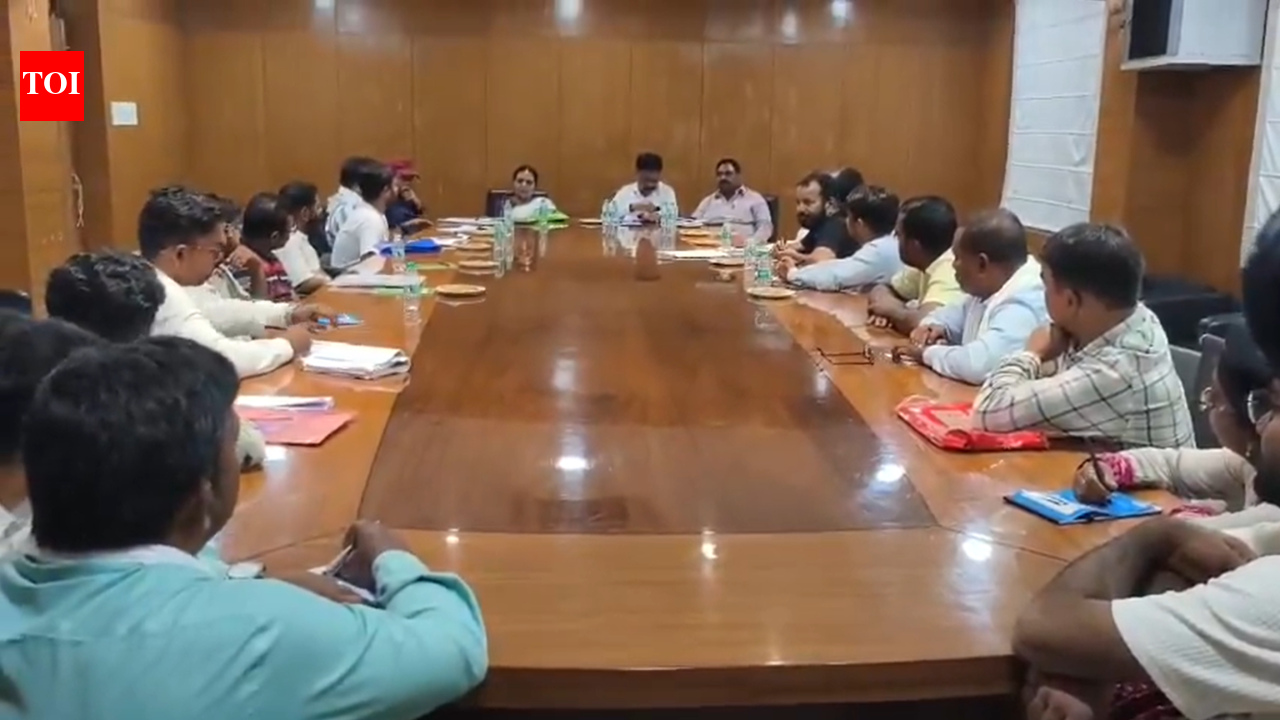
Kumaraswamy rakes up Congress’s 2006 report against Bidadi township project
JD(S) leader HD Kumaraswamy and BJP's R Ashoka launched a padayatra against the proposed Greater Bengaluru Integrated Township (GBIT) project, expected to come up in around 7,481 acres in nine villages near Bidadi. Kumaraswamy raked up a 2006 fact-finding committee report…
Intelligence analysis by Llama
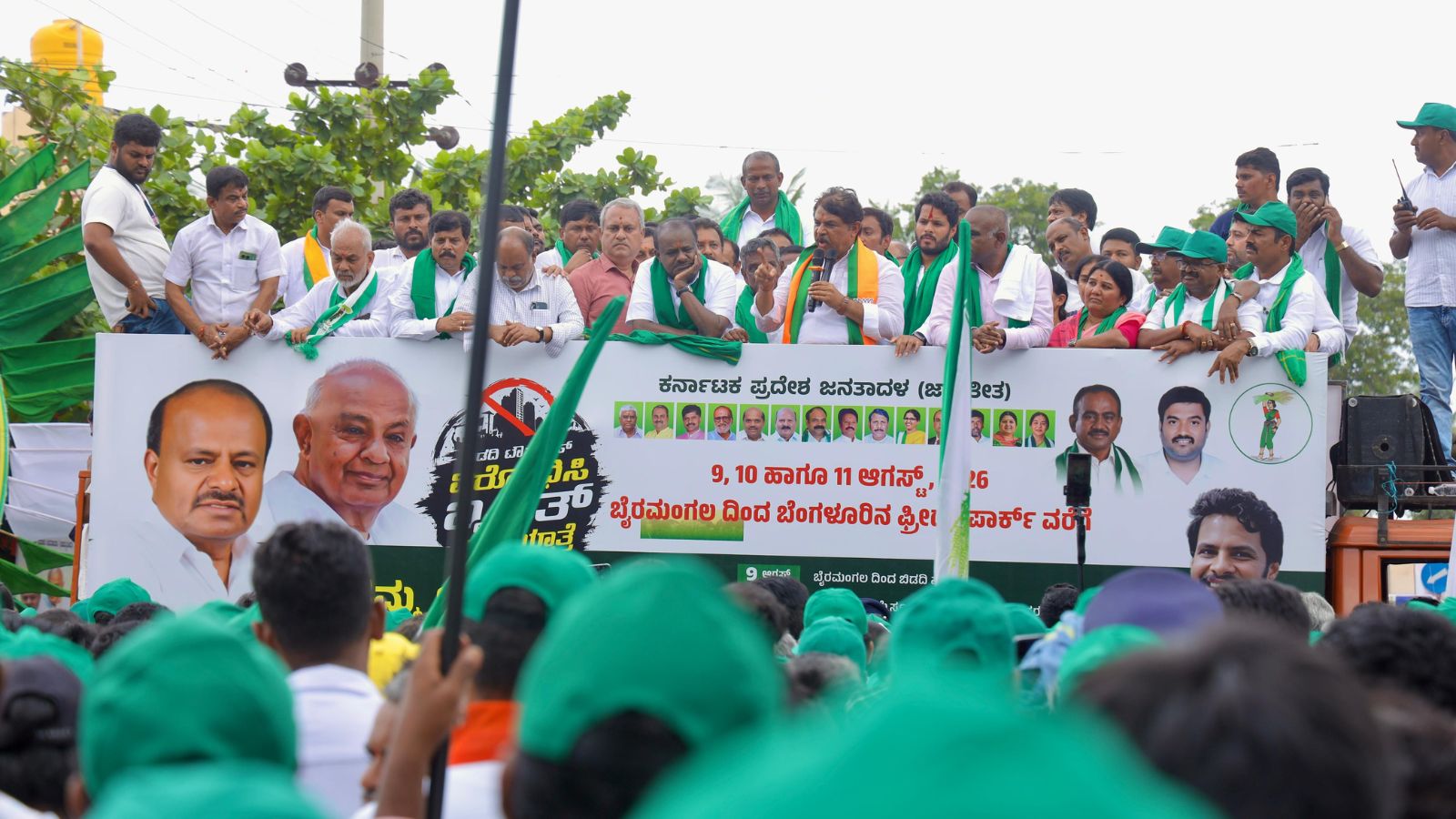
The JD(S) and BJP launched a padayatra against the proposed GBIT project, citing a 2006 Congress report opposing the project. The project is expected to come up in around 7,481 acres in nine villages near Bidadi.
Imagine you own a piece of land where you grow crops. The government wants to take that land to build a big city. You might not want to give up your land, but the government is offering you a lot of money to do so. The JD(S) and BJP are protesting against this project because they think it will hurt the local environment and the people who live there.
Analysis
Kumaraswamy's 2006 Report Revisited
The JD(S) leader's decision to rake up the 2006 fact-finding committee report prepared by the Congress is a significant development in the ongoing controversy surrounding the GBIT project. The report, which was prepared when the project was first proposed, highlights the concerns of local residents and landlosers regarding the project's impact on their livelihoods and the environment.
Kumaraswamy's move is seen as an attempt to galvanize opposition to the project and put pressure on the government to reconsider its plans. The JD(S) leader has been vocal in his criticism of the project, citing concerns about the displacement of local residents, the destruction of farmland, and the potential environmental impact of the project.
The 2006 report, which was prepared by a fact-finding committee set up by the Congress, highlights the concerns of local residents and landlosers regarding the project's impact on their livelihoods and the environment. The report recommends that the project be scrapped due to the potential harm it could cause to the local ecosystem and the displacement of local residents.
Government's Response to Opposition
The government's response to the opposition to the project has been to assure landlosers that their concerns will be addressed. Chief Minister D K Shivakumar has released a video message assuring landlosers that no farmers will be coerced into giving land for the project. However, the opposition remains skeptical about the government's intentions and has vowed to continue their protests until the project is scrapped.
Padayatra and Its Significance
The padayatra launched by the JD(S) and BJP is a significant development in the ongoing controversy surrounding the GBIT project. The padayatra is seen as a show of strength by the opposition parties and a demonstration of their commitment to fighting against the project. The padayatra is also seen as a way to raise awareness about the project's impact on local residents and the environment.
The padayatra is expected to continue for several days, with the opposition parties vowing to continue their protests until the project is scrapped. The government, on the other hand, has assured landlosers that their concerns will be addressed and has promised to take their views into consideration while making a decision on the project.
Key points
- The JD(S) and BJP launched a padayatra against the proposed GBIT project.
- The project is expected to come up in around 7,481 acres in nine villages near Bidadi.
- Kumaraswamy raked up a 2006 fact-finding committee report prepared by the Congress opposing the Bidadi township project.
- The government has assured landlosers that their concerns will be addressed and has promised to take their views into consideration while making a decision on the project.
If the opposition's protests are successful, the project may be scrapped, and the land will be preserved for its current use. This could be a positive outcome for the local residents and the environment.
If the project is not scrapped, it could lead to the displacement of local residents, destruction of farmland, and potential environmental harm. This could have long-term consequences for the local ecosystem and the people who live there.