Labour’s modest reheat of help to buy is worth a try | Nils Pratley
Labour is launching 'Your First Home,' a revamped help-to-buy scheme, to stimulate the struggling housebuilding sector by reducing first-time buyer deposits to 2.5%. The policy aims to boost housing supply despite current high interest rates and past criticisms of similar…
Intelligence analysis by Gemini 2.5 Flash
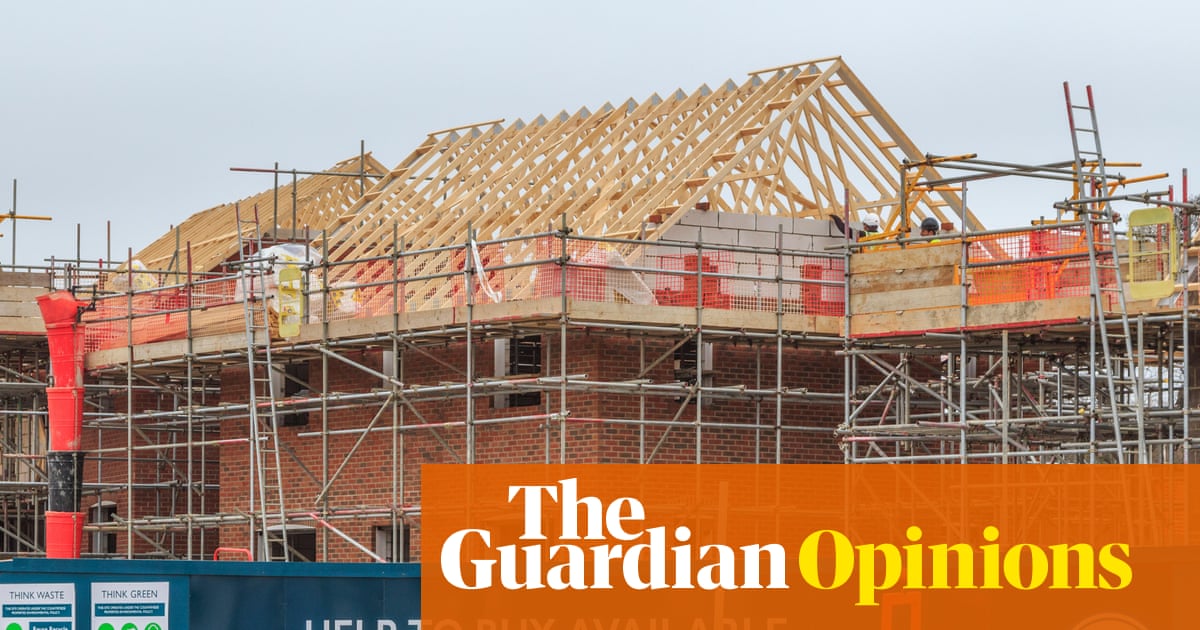
The Labour government is reintroducing a version of the 'help to buy' scheme, named 'Your First Home,' to address the stagnant housebuilding sector and meet ambitious housing targets. This initiative, which lowers the required deposit for first-time buyers, is a pragmatic move despite potential inflationary risks and political awkwardness, aiming to inject activity into the constructi…
Imagine you want to buy a toy house, but you don't have enough pocket money saved up for the big down payment. The government is now saying, 'Hey, we'll lend you some money for part of the toy house, so you only need to save a tiny bit yourself!' This helps more kids get their first toy house, and it also encourages toy house builders to make even more houses, like a big push to get everyone a home.
Analysis
Labour's decision to revive a housing affordability scheme, dubbed 'Your First Home,' marks a significant policy shift aimed at galvanizing the UK's sluggish housebuilding sector. The government has previously hesitated due to concerns over inflationary pressures, the political optics of adopting a Tory-era playbook, and the controversy surrounding excessive bonuses paid to executives like Jeff Fairburn under the original scheme. However, facing a substantial shortfall in its target of 1.5 million new homes in England, the administration now views this intervention as a necessary 'punt' to stimulate construction.
Your First Home
This new iteration of the scheme will significantly reduce the required deposit for first-time buyers to as little as 2.5% of the property price, down from 5% under the previous help-to-buy program. It also includes a 20% equity loan from the government, with an initial interest-free period, designed to bridge the affordability gap for aspiring homeowners. Crucially, housebuilders will be required to pay a fee to participate, a measure intended to mitigate the risk of inflated profits and ensure a fairer distribution of benefits. The full specifics, including household income and property price caps, are expected to be unveiled in the upcoming budget, which will determine the scheme's precise reach and impact.
£25.1bn
The rationale for this revival is bolstered by an independent report from the housing department, which assessed the original help-to-buy scheme as providing 'very high value for money.' The report calculated a net present social value of £25.1bn (in 2025 money) over its 2013-2023 lifespan, primarily attributed to the increase in housing supply it facilitated. Furthermore, the report estimated the inflationary impact of the previous scheme at a modest two percentage points, significantly lower than popular perception. These findings provide a strong economic justification for Labour's current approach, suggesting that the benefits of increased housing supply could outweigh the inflationary risks, especially given the current subdued economic outlook for 2027.
3.75%
Despite the positive assessment of its predecessor, 'Your First Home' is launching into a vastly different economic landscape compared to 2013. Back then, interest rates were at historic lows, providing a highly favorable environment for mortgage affordability. Today, the Bank rate stands at 3.75%, with ongoing debates about potential further hikes from Threadneedle Street. This higher interest rate environment means that while the equity loan offers some relief, the overall cost of borrowing for the remaining mortgage will be substantially higher, potentially dampening the scheme's effectiveness. The article cautions against expecting 'miracles,' noting that the initial 10%-plus jump in housebuilders' shares, while positive, might give a misleading impression of the scheme's immediate impact given these prevailing economic headwinds.
Key points
- Labour's 'Your First Home' scheme reduces first-time buyer deposits to 2.5% and includes a 20% government equity loan.
- The policy aims to stimulate the housebuilding sector and help the government meet its target of 1.5 million new homes.
- An independent report found the previous help-to-buy scheme offered 'very high value for money' and had a lower inflationary impact than commonly believed.
- The scheme launches into a challenging economic climate with the Bank rate at 3.75%, contrasting sharply with the low rates of 2013.
- Housebuilders will pay a fee to access the scheme, with full details on caps expected in the next budget.
The 'Your First Home' scheme could genuinely stimulate the stagnant housebuilding sector, leading to a much-needed increase in housing supply across England. By making homeownership more accessible with lower deposit requirements, it could help a significant number of first-time buyers get onto the property ladder, providing a positive boost to both the economy and social mobility.
The scheme's effectiveness might be significantly hampered by the current high interest rate environment, making the remaining mortgage payments unaffordable for many despite the lower deposit. There's also a risk that housebuilders could simply absorb the required fees by increasing property prices, limiting the real benefit to buyers and potentially failing to meet the government's ambitious housing targets.
Market signals
- UK Housebuilders Housebuilders' shares jumped over 10% on the announcement of the Your First Home scheme, indicating market optimism for increased demand and construction.
AI-generated analysis of potential market relevance. Not financial advice.