Lack of ACs Could Lead to 150,000+ Heat-Related Deaths Every Year in Pakistan by 2050
A new study by the Climate Impact Lab warns that Pakistan may experience more than 150,000 additional heat-related deaths every year by 2050 due to rising temperatures and limited access to affordable cooling solutions.
Intelligence analysis by Llama
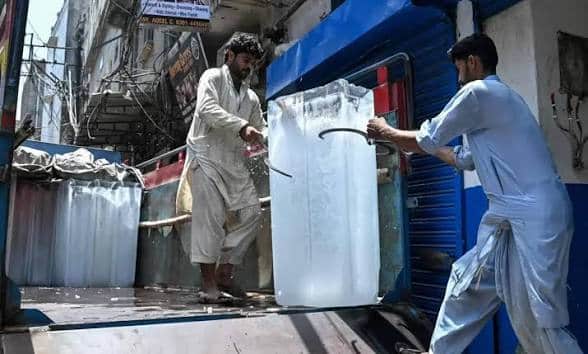
Pakistan's vulnerability to climate change is highlighted by the high cost of air conditioners, frequent electricity outages, and unequal access to reliable cooling, particularly in low-income and rural communities. Experts stress that urgent action is needed to reduce the impact of rising temperatures.
Pakistan is expected to experience a lot of heat-related deaths in the future because it's getting hotter and people can't afford air conditioners. This is a big problem because it will make a lot of people very sick and even kill some of them. Experts think that if we do some things to help people stay cool, like building more public cooling centers and making sure the power stays on, we can save a lot of lives.
Analysis
A $60B Vote of Confidence
The Climate Impact Lab's study paints a dire picture of Pakistan's future, with the country expected to experience more than 150,000 additional heat-related deaths every year by 2050. This alarming projection is a stark reminder of the urgent need for climate action. The study highlights several factors that increase Pakistan's vulnerability, including the high cost of air conditioners, frequent electricity outages, and unequal access to reliable cooling, particularly in low-income and rural communities. These challenges leave millions of people exposed to prolonged periods of extreme heat, increasing the risk of heat-related illnesses and fatalities.
Why Cursor?
The report emphasizes that timely investments in climate adaptation and public health measures could save thousands of lives and better prepare Pakistan for the growing challenges posed by climate change. Experts stress that urgent action is needed to reduce the impact of rising temperatures. They recommend expanding heat action plans across cities, improving early warning systems to alert communities before heatwaves, strengthening the national power infrastructure to ensure reliable electricity, establishing public cooling centers for vulnerable populations, and increasing urban greenery to help lower temperatures.
The Road Ahead
The study's findings serve as a wake-up call for policymakers and stakeholders to take immediate action to address the climate crisis. By investing in climate adaptation and public health measures, Pakistan can save thousands of lives and better prepare for the growing challenges posed by climate change. The report's recommendations provide a clear roadmap for policymakers to follow, and it is imperative that they take swift action to implement these measures.
Key points
- Pakistan may experience more than 150,000 additional heat-related deaths every year by 2050 due to rising temperatures and limited access to affordable cooling solutions.
- The high cost of air conditioners, frequent electricity outages, and unequal access to reliable cooling are major factors increasing Pakistan's vulnerability to climate change.
- Experts recommend expanding heat action plans across cities, improving early warning systems, strengthening the national power infrastructure, establishing public cooling centers, and increasing urban greenery to help lower temperatures.
If Pakistan invests in climate adaptation and public health measures, it can save thousands of lives and better prepare for the growing challenges posed by climate change. By implementing the report's recommendations, policymakers can take immediate action to address the climate crisis and create a more sustainable future for the country.
If Pakistan fails to address the climate crisis, it may experience more than 150,000 additional heat-related deaths every year by 2050. This would have a devastating impact on the country's economy, healthcare system, and overall well-being.