Lamu Refinery: Is Kenya Ready to Grant Aliko Dangote a Fuel Monopoly?
Kenya is negotiating a fuel supply agreement with Aliko Dangote for his new Lamu mega-refinery, weighing the promise of lower prices against the risks of granting him a domestic market monopoly.
Intelligence analysis by Gemini 2.5 Flash
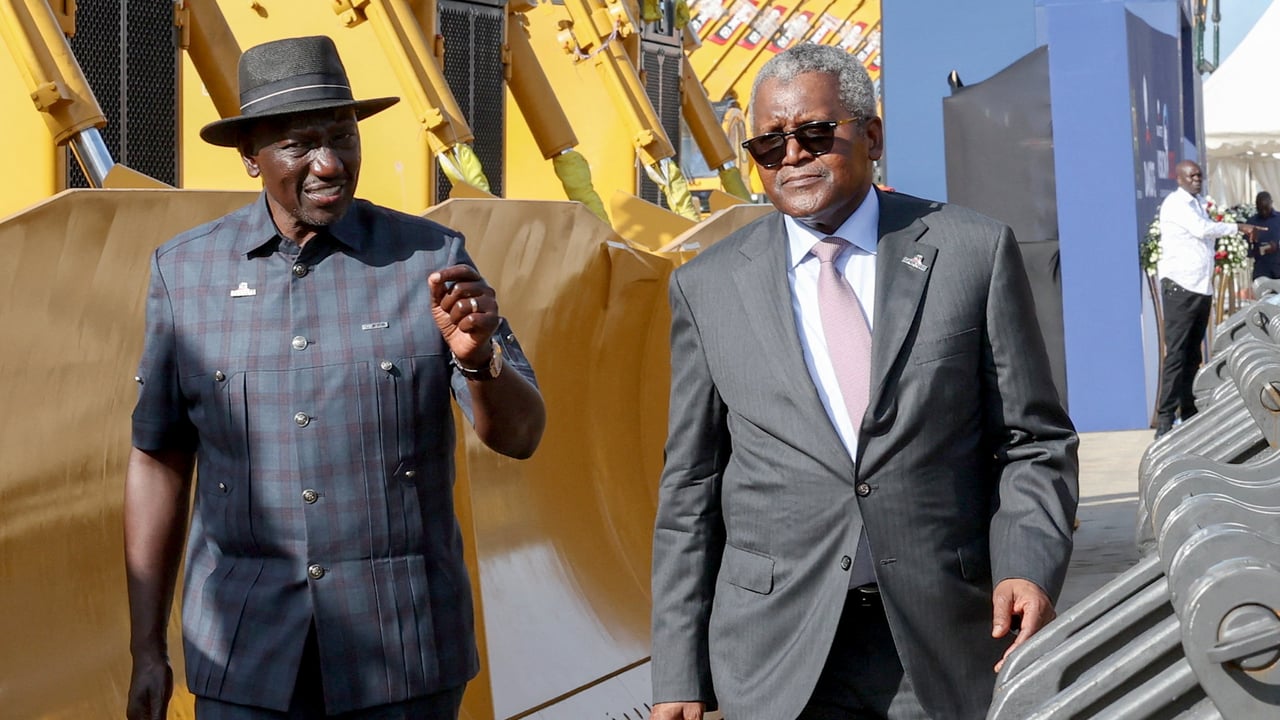
The Kenyan government faces a critical decision regarding the supply of refined petroleum products. It must balance the potential for reduced fuel costs offered by Aliko Dangote's new Lamu refinery against concerns about market exclusivity and the need to maintain diverse supply sources for national energy security.
Imagine Kenya needs lots of juice, but it's expensive to buy from far away. A big juice maker, Aliko, built a new juice factory nearby. He says he can sell juice cheaper if Kenya promises to buy *all* its juice from him. Kenya's leaders are thinking, "Yay, cheaper juice! But what if Aliko is the *only* juice seller? What if he raises prices later?" They're trying to decide if they should buy all their juice from him or keep buying from other places too.
Analysis
The Kenyan government is currently engaged in sensitive negotiations with Nigerian billionaire Aliko Dangote regarding a potential fuel supply agreement for his recently launched mega-refinery in Lamu. This development marks a pivotal moment for Kenya's energy sector, as it could fundamentally reshape the country's approach to petroleum product procurement and distribution. The core dilemma for Nairobi lies in reconciling the attractive prospect of reduced fuel prices, which Dangote's local refining capacity promises, with the inherent risks associated with granting a single entity exclusive control over the domestic market.
Lamu Refinery
The Lamu refinery project, spearheaded by Aliko Dangote, represents a substantial investment in East African energy infrastructure. Its operationalization is anticipated to significantly reduce Kenya's reliance on imported refined fuels, thereby potentially stabilizing prices and improving the nation's energy security. The groundbreaking ceremony for this ambitious facility took place on September 30, 2026, with key figures like Kenyan President William Ruto and Dangote Group CEO Aliko Dangote in attendance, underscoring its strategic importance. The refinery's capacity to process crude oil locally could lead to substantial savings on foreign exchange currently spent on fuel imports.
However, the question of market exclusivity remains a contentious point. While a monopoly could guarantee a large, stable customer base for the refinery, ensuring its economic viability, it also raises concerns about potential future price manipulation or supply vulnerabilities. The government's challenge is to craft an agreement that maximizes the benefits of local refining without compromising the long-term health of its energy market or exposing consumers to undue risks from a single supplier.
Aliko Dangote
Aliko Dangote, Africa's wealthiest man, is known for his expansive industrial empire, which spans cement, sugar, and now, a significant foray into petroleum refining. His investment in the Lamu refinery aligns with a broader strategy to enhance Africa's industrial self-sufficiency and reduce its dependence on imported goods. Dangote's track record of executing large-scale projects across the continent lends considerable weight to his proposals, making the offer of lower fuel prices particularly compelling for Kenya.
His vision for the refinery extends beyond mere production; it aims to create a more integrated and efficient supply chain for petroleum products within the region. The potential for Dangote to become the sole or primary supplier of fuel to Kenya would solidify his group's influence in East Africa's energy landscape, mirroring his dominance in other sectors. This strategic move could also encourage other African nations to pursue similar large-scale industrial projects, fostering regional economic growth and reducing reliance on external markets.
William Ruto
Kenyan President William Ruto finds himself at the helm of a critical economic decision that could define a significant part of his administration's legacy. His government's objective is to secure affordable and reliable energy for its citizens, a key factor in economic stability and growth. The negotiations with Dangote reflect a pragmatic approach to leveraging private sector investment for national development goals, particularly in critical infrastructure.
President Ruto's administration must carefully balance the immediate economic advantages of lower fuel costs with the broader implications for market competition and national resilience. The decision will set a precedent for how Kenya engages with major industrial players and manages its strategic resources. Ensuring transparency and fairness in the agreement will be crucial to avoid accusations of favoritism and to safeguard the interests of Kenyan consumers and other market participants.
Key points
- Kenya is negotiating a fuel supply deal with Aliko Dangote for his new Lamu mega-refinery.
- The government is weighing the promise of lower fuel prices against the risk of granting a domestic market monopoly.
- Kenyan President William Ruto and Aliko Dangote attended the refinery's groundbreaking ceremony on September 30, 2026.
- The core challenge is to balance the expected economic benefits with the need for diversified supply sources.
- The decision will significantly impact Kenya's energy security and market competition.
If an agreement is reached, Kenya could benefit from significantly lower fuel prices due to local refining, potentially boosting its economy and reducing the cost of living for citizens. This could also solidify Dangote's position as a key player in Africa's energy sector, encouraging further regional industrialization and energy independence.
Granting a full monopoly to Dangote could expose Kenya to future price manipulation or supply vulnerabilities if the single source faces issues. It might also stifle competition, potentially hindering the growth of other local or regional energy suppliers and limiting consumer choice in the long run.