Lander blasts Israel for making life impossible for Palestinian farmers
US Democratic Party candidate Brad Lander was detained by Israeli forces in the occupied West Bank while harvesting olives with Palestinian farmers and international volunteers, drawing criticism from him and other activists against Israel's actions.
Intelligence analysis by Gemini 2.5 Flash
Brad Lander, a US congressional candidate, was briefly detained by Israeli forces during an olive harvest in the West Bank, where he was participating in a 'protective presence' alongside Palestinian farmers and other activists. He accused the Israeli government of making life impossible for Palestinian farmers and criticized the occupation, while Israeli authorities claimed the harve…
Imagine a farmer trying to pick apples from their family orchard, but every year, bullies try to stop them or hurt them. Now, imagine a kind grown-up from another country comes to help the farmer pick apples, just to make sure the bullies don't bother them. This grown-up, Brad, was helping Palestinian farmers pick olives, which is like their special family tradition and how they earn money. But then, soldiers came and took Brad and the other helpers away, saying they weren't allowed to be there, even though Brad said they were just peacefully picking olives.
Analysis
Brad Lander's Detention
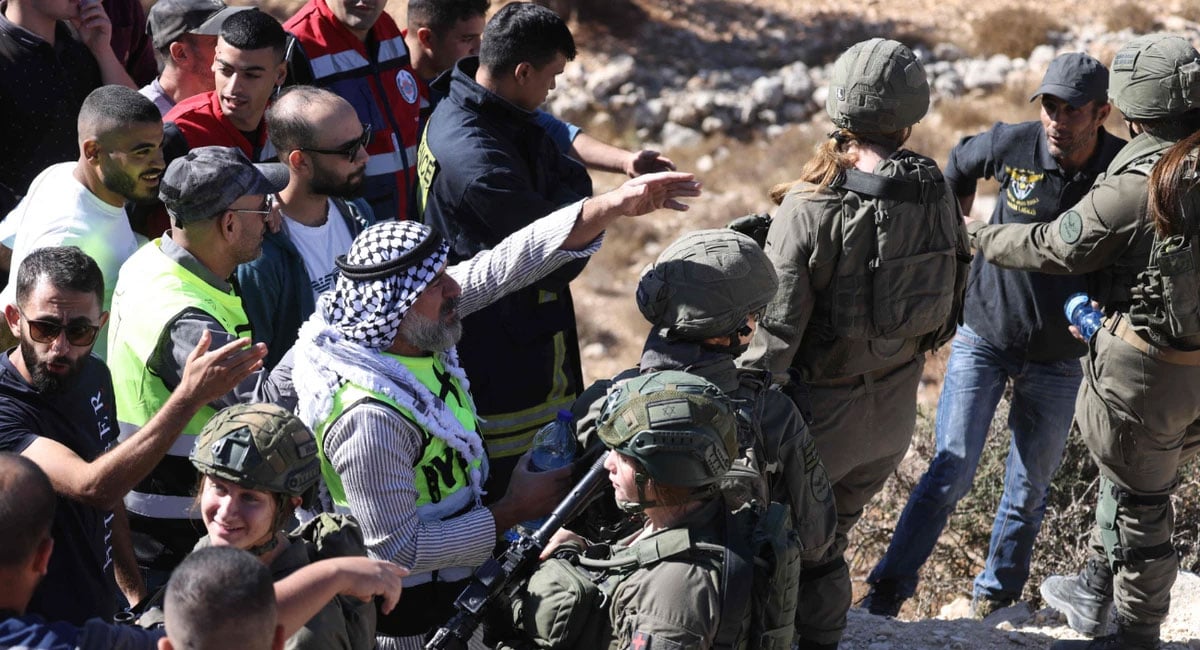
Brad Lander, a US Democratic Party candidate for Congress and former New York City comptroller, was detained by Israeli forces in the occupied West Bank while participating in an annual olive harvest. Lander, who is Jewish, joined a group of international volunteers, including British and Canadian citizens, in an act of solidarity known as 'protective presence' to accompany Palestinian farmers who frequently face violence from Israeli settlers. His detention, which lasted about three hours, sparked immediate criticism from him and his allies, including New York City Mayor Zohran Mamdani.
Lander publicly stated on X that he was released with a warning, attributing it to his public profile, while noting that dozens of other participants, including rabbis, remained detained longer. He condemned the occupation as a crime under international law and asserted that harvesting olives is not illegal. The incident underscores his critical stance on Israel's conduct, particularly in the context of the ongoing conflict in Gaza, and brings international scrutiny to the daily challenges faced by Palestinians in the West Bank.
The Annual Olive Harvest
The annual olive harvest is not merely an agricultural activity but a deeply rooted cultural tradition and a vital source of income for Palestinian communities. However, it is frequently marred by violent attacks from Israeli militant settlers, making the harvest a perilous endeavor for farmers. The presence of international volunteers, such as those accompanying Lander, aims to deter such violence and provide a measure of security for the Palestinian farmers.
This year's harvest, particularly in areas like Nahalin village near the Israeli settlement of Beitar Illit, became a flashpoint. Israeli police and military claimed the area required prior coordination for harvesting and that the uncoordinated presence posed a security risk, leading to the detentions. Activists, however, countered that they were unaware of any such restrictions and were simply engaged in a peaceful, non-provocative activity, highlighting the bureaucratic and security hurdles imposed on Palestinian agricultural life.
Rabbis for Human Rights
The incident saw significant involvement from human rights organizations, notably Rabbis for Human Rights and the Jewish North American organization T’ruah. These groups organized the 'protective presence' initiative, bringing together Jewish and international volunteers to stand in solidarity with Palestinian farmers. Their participation underscores a growing movement within Jewish communities globally that is critical of Israeli policies in the occupied territories and advocates for Palestinian rights.
Rabbi Jill Jacobs, Chief Executive of T’ruah, who was also detained, emphasized that the volunteers were picking olives 'very peacefully' and that their actions were not violent. The organizations challenged the Israeli authorities' claims of a 'closed military zone' or security risk, stating that participants were not informed of such designations and were willing to leave if it were truly the case. Their advocacy highlights the moral and legal arguments against the occupation and the restrictions placed on Palestinian life, framing the act of harvesting olives as a fundamental right rather than a security threat.
Key points
- US congressional candidate Brad Lander was detained by Israeli forces in the West Bank while harvesting olives with Palestinian farmers.
- Lander and other international volunteers were participating in a 'protective presence' to deter violence from Israeli settlers.
- Lander criticized Israel's occupation and actions, stating they make life impossible for Palestinian farmers.
- Israeli authorities claimed the harvest area required prior coordination and posed a security risk, leading to detentions.
- Jewish human rights organizations, Rabbis for Human Rights and T’ruah, were among those organizing the solidarity effort and condemned the detentions.
The detention of a US congressional candidate and other international activists could significantly elevate global awareness of the challenges faced by Palestinian farmers and the broader human rights situation in the West Bank. This increased international scrutiny might pressure Israeli authorities to review their policies regarding access to agricultural lands and settler violence, potentially leading to improved protection for Palestinian communities.
This incident could further exacerbate tensions between international observers and Israeli authorities, potentially leading to more stringent restrictions on solidarity efforts and humanitarian access in the West Bank. It might also deepen the perception of a disregard for international figures and human rights advocacy, making it harder for Palestinian farmers to secure protective presences in the future.