Lars Feld: It's State Expenditures That Drive the German Economy
Economist Lars Feld argues that state expenditures are driving the German economy, citing recent data on the country's GDP and business climate. While some indicators suggest a robust recovery, others paint a more nuanced picture.
Intelligence analysis by Llama
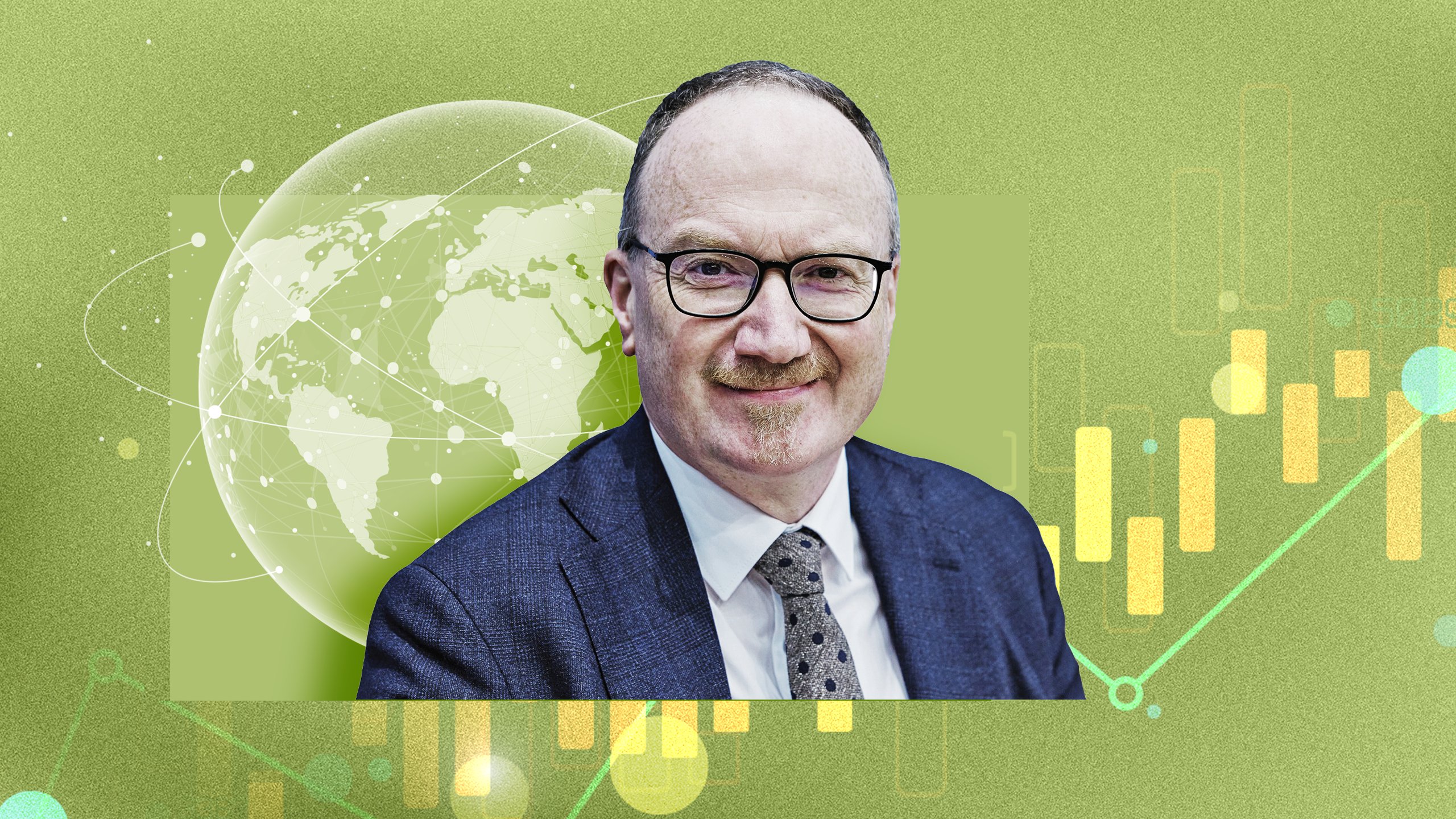
Economist Lars Feld argues that state expenditures are driving the German economy, citing recent data on the country's GDP and business climate. While some indicators suggest a robust recovery, others paint a more nuanced picture.
Imagine the German economy as a car. State expenditures are like the fuel that drives the car forward. While some indicators suggest the car is speeding up, others show that it's still moving slowly. The economy is complex, and state expenditures are just one factor that's driving its growth.
Analysis
A $60B Vote of Confidence
Lars Feld, a professor of economics at the University of Freiburg and director of the Walter Eucken Institute, has been vocal about the role of state expenditures in driving the German economy. Recent data on the country's GDP and business climate suggest that his views may be gaining traction. The latest revision of the GDP data for the second quarter of 2026 shows a 0.2% increase compared to the previous quarter, following a 0.4% increase in the first quarter. This revision also shows higher growth rates for the years 2011 and beyond, with the year 2024 no longer showing a contraction in GDP but rather a stagnation of 0.0%.
Why State Expenditures Matter
State expenditures have a significant impact on the German economy, and Feld's argument is that they are driving the country's growth. The Ifo Institute's business climate index, which is a leading indicator of the economy, has shown a third consecutive increase, driven by rising business expectations. However, this increase is from a very low base, and the business climate must still reflect these increased expectations before a recovery can be confirmed. The latest GDP data still paint a picture of stagnation, rather than robust growth.
The Road Ahead
While some indicators suggest a robust recovery, others paint a more nuanced picture. The German economy is complex, and state expenditures are just one factor driving its growth. As the country continues to navigate the challenges of the global economy, it is essential to consider the role of state expenditures in its growth story.
Key points
- State expenditures are driving the German economy, according to economist Lars Feld.
- Recent data on GDP and business climate suggest a nuanced picture of the economy's growth.
- The Ifo Institute's business climate index has shown a third consecutive increase, driven by rising business expectations.
- The German economy is complex, and state expenditures are just one factor driving its growth.
If the current trend continues, the German economy may experience a robust recovery, driven by state expenditures and rising business expectations. This could lead to increased growth and investment in the country.
However, the economy is complex, and there are risks associated with relying too heavily on state expenditures. If the current trend reverses, the economy may experience a slowdown or even a recession, which could have significant implications for the country.