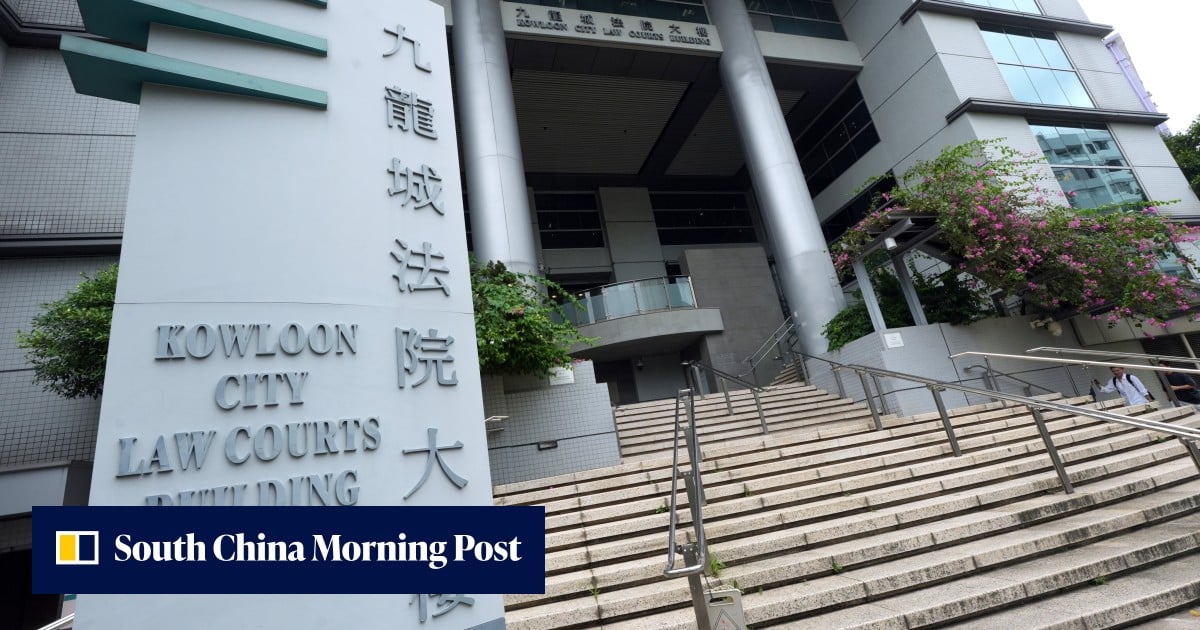
Lawmakers flag gaps in proposed changes to building management rules after Tai Po fire
Hong Kong lawmakers have identified potential loopholes in the government's proposed amendments to building management rules, despite efforts to tighten proxy votes and owner attendance following the catastrophic Tai Po fire.
Intelligence analysis by Gemini 2.5 Flash
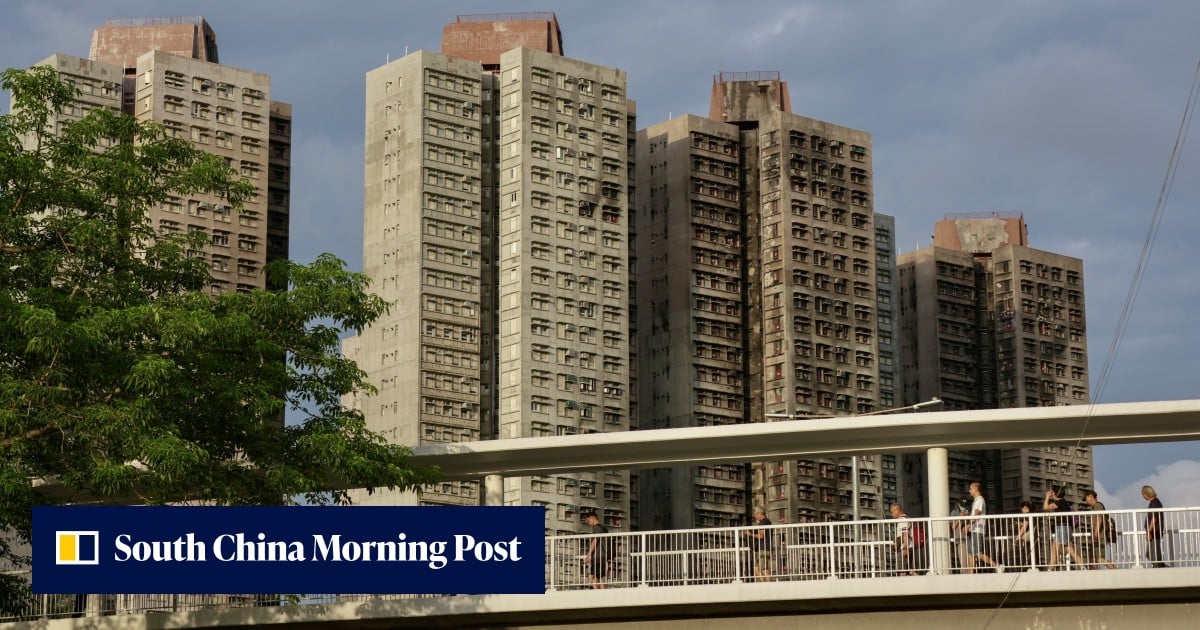
Following a deadly fire in Tai Po, Hong Kong authorities are consulting on new building management rules aimed at preventing issues like bid-rigging and strengthening owner oversight. However, legislators warn that the proposed changes may still contain gaps that could be exploited, even as the Competition Commission continues its crackdown on bid-rigging in numerous estates.
Imagine your apartment building needs a new roof, but some sneaky people try to trick everyone into picking a bad, expensive company. After a big fire, the grown-ups in charge want to make new rules to stop these tricks, like making sure more people vote fairly. But some lawmakers are saying, 'Hold on, these new rules still have tiny holes that the sneaky people might use!' It's like trying to fix a leaky bucket, but some small drips might still get through.
Analysis
Wang Fuk Court
The catastrophic blaze at Wang Fuk Court last November, which tragically claimed 168 lives, served as a stark catalyst for the Hong Kong government's current review of building maintenance rules. This devastating event brought issues of building management and owner governance under intense public and legislative scrutiny, revealing systemic vulnerabilities that allowed for alleged bid-rigging and suspicious proxy vote collection.
The independent committee hearing into the fire's cause underscored the urgent need for reform, prompting authorities to step up enforcement against problematic contractors. The proposed amendments to the Buildings Management Ordinance are a direct response to the failures exposed by the Tai Po fire, aiming to prevent similar tragedies and restore public confidence in building safety and management integrity.
HK$500 million
The scale of the bid-rigging problem in Hong Kong's building maintenance sector is underscored by the Competition Commission's ongoing investigations. A second round of raids was announced, pertaining to a significant bid-rigging case involving 28 estates and contracts valued at approximately HK$500 million (US$63.7 million).
This substantial figure highlights the financial implications and widespread nature of the illicit practices that undermine fair competition and potentially inflate maintenance costs for property owners. The government's intensified enforcement efforts, alongside the proposed regulatory changes, aim to dismantle these corrupt networks and ensure greater transparency and accountability in the procurement of building services.
Bill Tang Ka-piu
Lawmaker Bill Tang Ka-piu articulated the nuanced challenges facing the proposed amendments, acknowledging that while the overall direction is correct and addresses residents' concerns, critical gaps remain. He emphasized the need to bolster building management protections for individual owners, particularly in light of the practical difficulties many owners face in attending general meetings.
Tang's comments highlight a central dilemma: how to enhance oversight and prevent exploitation without imposing impractical burdens on owners. His concerns suggest that while tightening proxy votes and attendance requirements are steps in the right direction, the effectiveness of these measures will depend on their ability to genuinely empower individual owners and close existing loopholes that bid-riggers might exploit.
Key points
- Hong Kong lawmakers have identified potential loopholes in proposed building management rule changes.
- The amendments aim to tighten proxy votes and owner attendance at renovation meetings following the Tai Po fire.
- The catastrophic Wang Fuk Court fire last November, which killed 168 people, prompted the government's review.
- The Competition Commission announced a second round of raids related to a bid-rigging case involving 28 estates and HK$500 million in contracts.
- Lawmaker Bill Tang Ka-piu acknowledged the 'correct' direction but stressed the need to bolster protections for individual owners.
The government's proactive consultation and proposed amendments, coupled with intensified enforcement by the Competition Commission, signal a strong commitment to improving building management. These efforts could lead to more transparent and accountable maintenance processes, ultimately enhancing safety and protecting property owners from exploitation.
Despite the proposed changes, lawmakers' warnings about potential loopholes suggest that bid-rigging and management problems may persist. The challenge of balancing owner participation with robust protections could mean that the new rules fall short of fully addressing systemic issues, leaving residents vulnerable to continued exploitation.