Leader’s military advisor: Adversaries cannot break Iran’s will through sanctions or threats
Iran's military advisor says foreign adversaries have failed to break the nation's will through economic blockades or political pressure. The country's strategic resilience and indigenous defense capabilities have altered enemy calculations.
Intelligence analysis by Llama
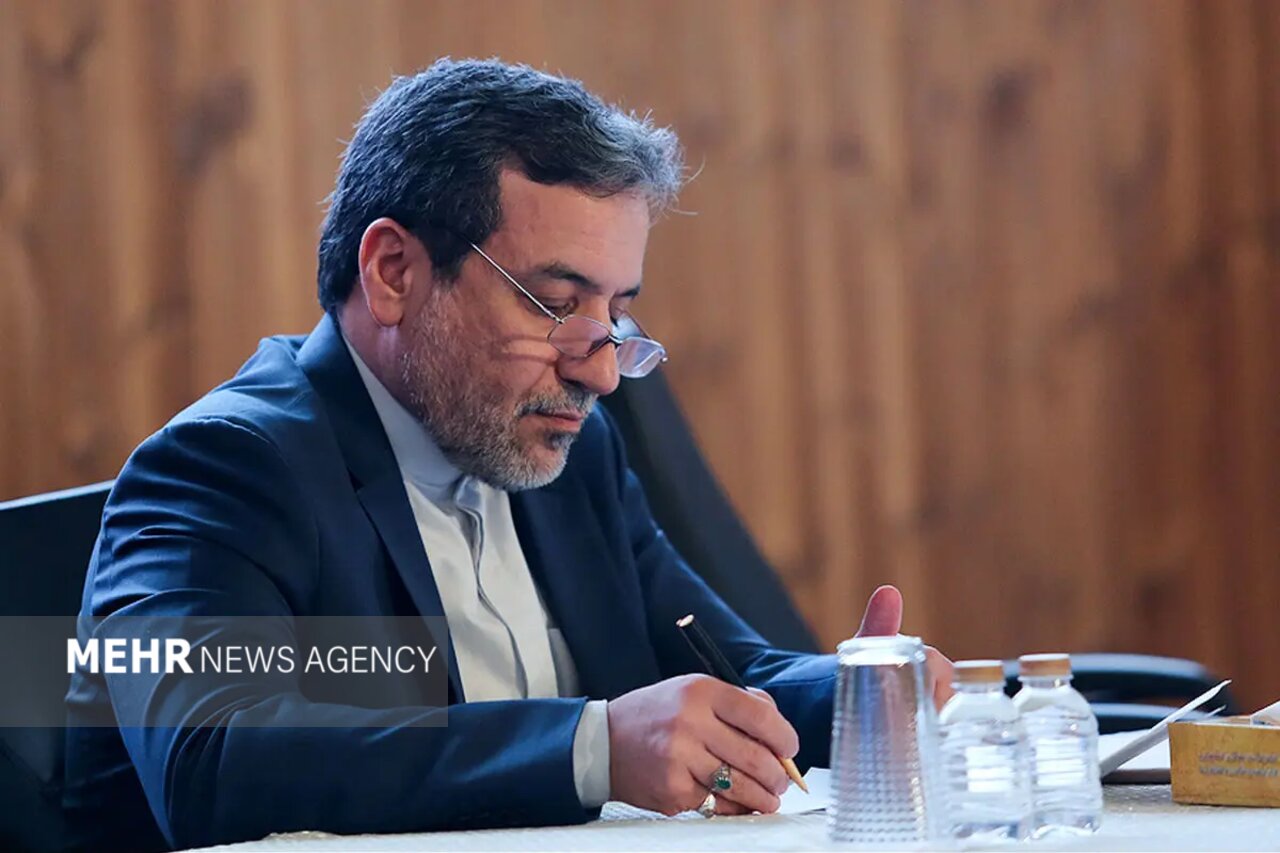
Iran's military advisor, Major General Yahya Rahim Safavi, emphasizes that the country's strategic resilience and indigenous defense capabilities have fundamentally altered the calculations of global powers targeting West Asia. He notes that Iran's defense forces have successfully rewritten tactical paradigms across regional fronts, and that the confrontation between the resistance fr…
Iran's military advisor says that the country's strong will and defense capabilities have made it hard for its enemies to break it. Iran has developed its own economy and technology, and its military has become very good at defending the country. This has changed the way its enemies think about Iran, and they are trying to figure out what to do next.
Analysis
A $60B Vote of Confidence
Iran's military advisor, Major General Yahya Rahim Safavi, emphasizes that the country's strategic resilience and indigenous defense capabilities have fundamentally altered the calculations of global powers targeting West Asia. This shift in power dynamics has been achieved through the development of a 'Resistance Economy,' which relies on self-reliance, local technological innovation, and strengthened trade partnerships with non-Western powers. This framework has enabled Iran to withstand external sanctions and maintain its technological self-sufficiency.
Why Cursor?
The Islamic Republic of Iran has consistently achieved breakthroughs in key civilian and strategic sectors, despite the stringent trade barriers imposed by Western regimes. General Safavi highlighted that these accomplishments in defense, technology, and health sectors reflect the dedication of domestic experts. The former Commander-in-Chief of the Islamic Revolution Guard Corps outlined three potential operational tracks regarding the future behavior of Iran's adversaries in West Asia: standard full-scale expansion of the war, widespread Israeli military actions, or the continuation of limited operations.
The Road Ahead
General Rahim Safavi's assessment highlights three key elements of Iran's military and geopolitical strategy. First, by noting that Iran's armed forces have altered enemy calculations using new initiatives, Safavi underscores Tehran's strategy of asymmetric deterrence. Instead of engaging in conventional spending races with Western-backed regional actors, Iran relies on cost-effective, high-yield defense platforms—such as precision-guided missiles, advanced unmanned aerial vehicles (UAVs), and layered electronic warfare systems—to keep adversaries at bay. Second, Safavi notes that Washington may seek to maintain the status quo while awaiting internal political outcomes in the United States. However, his commentary reflects Tehran's longstanding posture: Iran's defensive military posture and strategic regional depth operate independently of electoral cycles in Western capitals. Finally, beyond military hardware, Safavi explicitly links military defense with internal socioeconomic resilience. By mentioning advancements in medicine, science, and technology alongside military power, the senior advisor reiterates the state doctrine that true deterrence relies on a unified populace capable of absorbing foreign economic shocks without compromising political independence.
Key points
- Iran's military advisor says that the country's strategic resilience and indigenous defense capabilities have altered enemy calculations.
- Iran has developed a 'Resistance Economy' that relies on self-reliance, local technological innovation, and strengthened trade partnerships with non-Western powers.
- Iran has consistently achieved breakthroughs in key civilian and strategic sectors, despite the stringent trade barriers imposed by Western regimes.
- General Safavi outlined three potential operational tracks regarding the future behavior of Iran's adversaries in West Asia: standard full-scale expansion of the war, widespread Israeli military actions, or the continuation of limited operations.
If Iran's development continues, it could lead to a more stable and secure region. Iran's military advisor has emphasized the importance of the country's strategic resilience and indigenous defense capabilities, which could help to deter aggression from its enemies.
However, Iran's enemies may try to maintain the status quo or even escalate their aggression. This could lead to a more unstable and insecure region, and could potentially harm Iran's economy and people.