Lebanon-Israel deal may block war crime victims from seeking justice, experts warn
A new agreement between Lebanon and Israel may prevent victims of Israeli war crimes from seeking justice. The deal includes a clause that could prevent Lebanon from granting the ICC jurisdiction in the country.
Intelligence analysis by Llama 3.3 70B
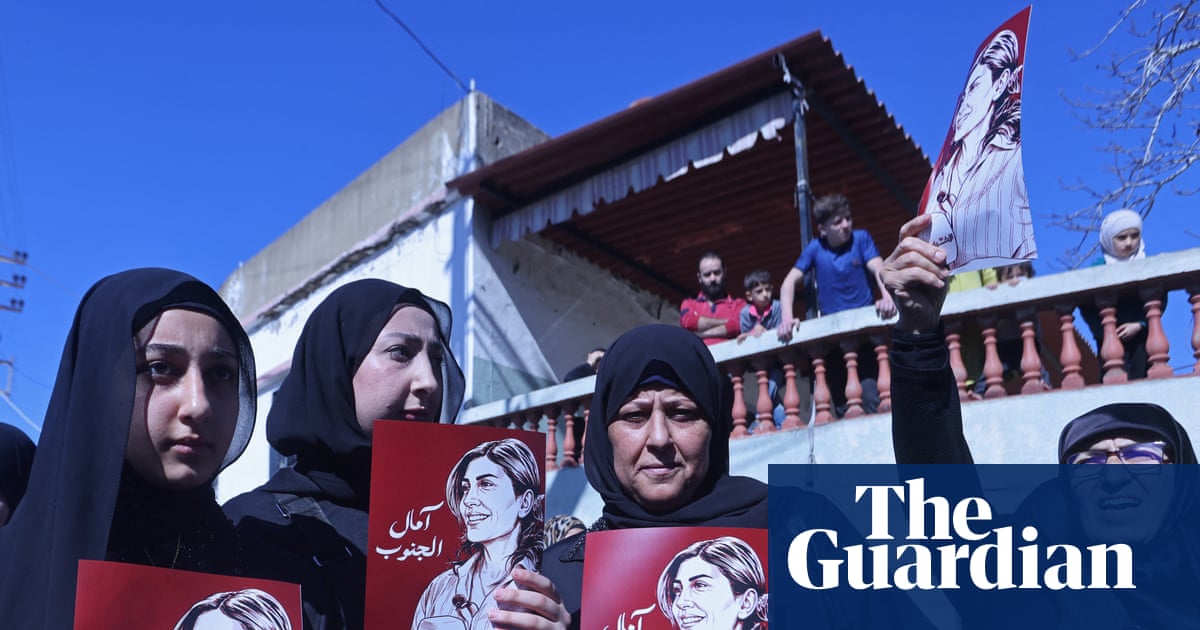
The agreement, signed in Washington, aims to end fighting between Israel and Hezbollah, but its broad language may hinder efforts to hold Israel accountable for alleged war crimes.
Imagine someone hurt you or your family, and you wanted to go to court to get justice. But then, the government made a deal with the person who hurt you, and now you can't go to court anymore. That's what's happening with the Lebanon-Israel deal, and it's not fair to the people who were hurt.
Analysis
Implications of the Agreement
The Lebanon-Israel deal has sparked concerns among legal experts and human rights advocates, who warn that it could block victims of Israeli war crimes from seeking justice. The agreement's broad language, particularly Article 13, could be interpreted to prevent Lebanon from granting the ICC jurisdiction in the country. This would be a significant setback for efforts to hold Israel accountable for alleged war crimes, including the targeting of journalists and civilians.
The deal's impact on the ICC's jurisdiction is particularly concerning, as it could prevent the court from investigating and prosecuting crimes committed in Lebanon. The ICC has already issued arrest warrants for Israeli officials, including Prime Minister Benjamin Netanyahu, for alleged war crimes and crimes against humanity committed in Gaza.
Normalization of Crimes
The agreement has also been criticized for normalizing crimes and ensuring impunity for Israel. The broad language of the deal could be seen as a attempt to sweep war crimes under the rug, rather than holding perpetrators accountable. This could have far-reaching implications for the region, as it could embolden Israel to continue committing war crimes without fear of consequences.
Uncertainty and Lack of Clarity
The deal's vague language has also raised concerns about what constitutes a "hostile or negative action". This lack of clarity could lead to confusion and uncertainty, making it difficult to determine what actions would be prohibited under the agreement. The UN high commissioner for human rights has recently arrived in Lebanon for a fact-finding mission, but it is unclear whether this work would be prohibited under the new agreement.
Consequences for Victims
The deal's implications for victims of war crimes and their families are particularly concerning. The agreement could deny them justice and accountability, leaving them without recourse or remedy. The Lebanese National Human Rights Commission has emphasized that prosecuting perpetrators of war crimes is a legitimate exercise of the rights to justice, and that it does not constitute an act of hostility or a political stance.
Key points
- The Lebanon-Israel deal may prevent victims of Israeli war crimes from seeking justice
- The deal includes a clause that could prevent Lebanon from granting the ICC jurisdiction in the country
- The agreement's broad language could be interpreted to hinder efforts to hold Israel accountable for alleged war crimes
The deal could potentially lead to a reduction in violence and instability in the region, which could have positive implications for civilians and victims of war crimes. However, this outcome is highly dependent on the implementation of the agreement and the willingness of both parties to uphold their commitments.
The deal could lead to a lack of accountability for war crimes, which could embolden Israel to continue committing crimes without fear of consequences. This could have far-reaching implications for the region, including increased violence and instability.