Lebanon seeks arrest of businessman accused of meeting Netanyahu
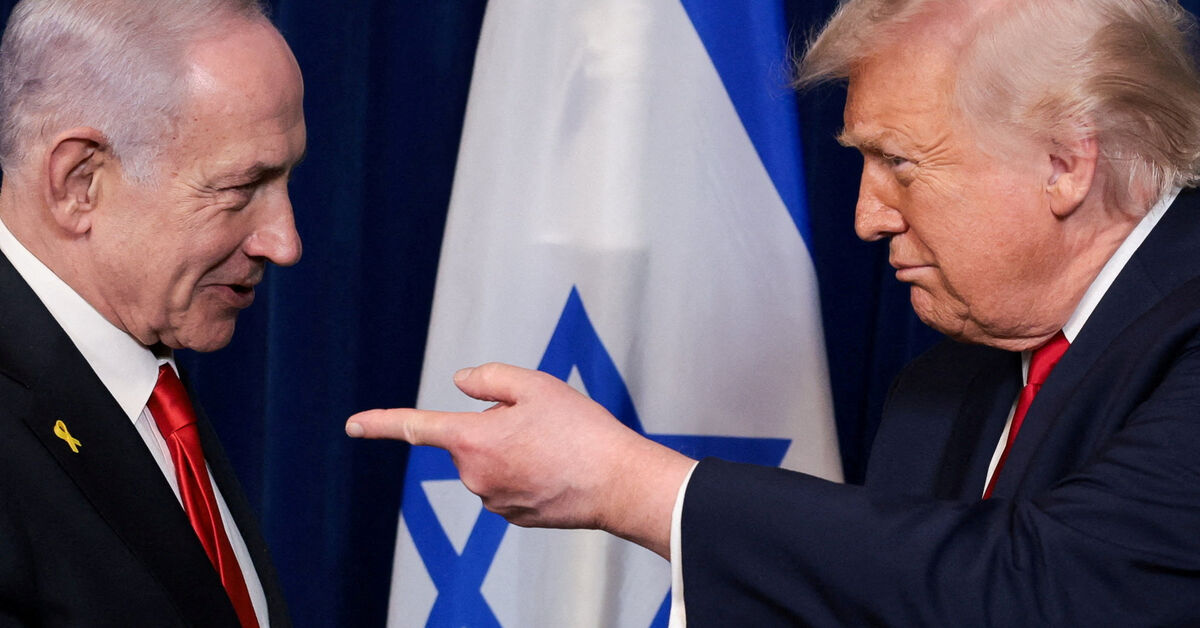
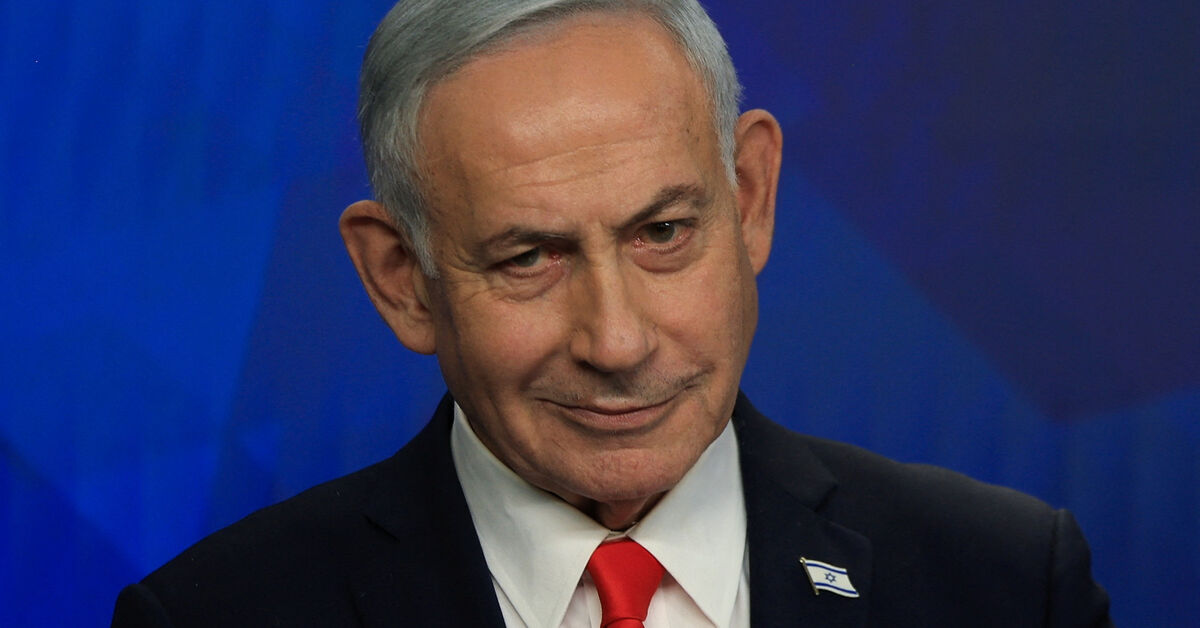
Lebanese judicial authorities issued a warrant for the arrest of influential businessman Antoun Sehnaoui, accused of meeting Israeli Prime Minister Benjamin Netanyahu amid Israel's war on Lebanon.
Intelligence analysis by Llama

Lebanon's judicial authorities have issued a warrant for the arrest of businessman Antoun Sehnaoui, who is accused of meeting Israeli Prime Minister Benjamin Netanyahu. This comes amid Israel's war on Lebanon.
Lebanon's judicial authorities have issued a warrant for the arrest of a businessman named Antoun Sehnaoui, who is accused of meeting the Israeli Prime Minister, Benjamin Netanyahu. This is a big deal because Lebanon and Israel are not supposed to talk to each other, and Sehnaoui's actions could make things worse for Lebanon.
Analysis
A $60B Vote of Confidence
Lebanon's judicial authorities have issued a warrant for the arrest of influential businessman Antoun Sehnaoui, who is accused of meeting Israeli Prime Minister Benjamin Netanyahu amid Israel's war on Lebanon. This move is a significant escalation of tensions between Lebanon and Israel, and it highlights the complexities of the region's politics.
The warrant was issued on charges of dealing with the Israeli enemy and violating Lebanon's boycott law against Israel. This law criminalises contact with Israel, despite the countries beginning direct talks under US sponsorship in April. The judicial official stated that several lawyers had also submitted a report demanding the prosecution of Sehnaoui for crimes related to dealing with Israel and communicating with Netanyahu.
The implications of this development are far-reaching. The war on Lebanon has already caused significant damage and displacement, and the arrest warrant for Sehnaoui adds to the tension. The US-sponsored talks between Lebanon and Israel are a fragile attempt to normalise relations, but the arrest warrant suggests that these efforts may be hindered by internal opposition.
Why Cursor?
Lebanon's judicial authorities have issued a warrant for the arrest of businessman Antoun Sehnaoui, who is accused of meeting Israeli Prime Minister Benjamin Netanyahu. This move is a significant escalation of tensions between Lebanon and Israel, and it highlights the complexities of the region's politics.
The warrant was issued on charges of dealing with the Israeli enemy and violating Lebanon's boycott law against Israel. This law criminalises contact with Israel, despite the countries beginning direct talks under US sponsorship in April. The judicial official stated that several lawyers had also submitted a report demanding the prosecution of Sehnaoui for crimes related to dealing with Israel and communicating with Netanyahu.
The Road Ahead
The implications of this development are far-reaching. The war on Lebanon has already caused significant damage and displacement, and the arrest warrant for Sehnaoui adds to the tension. The US-sponsored talks between Lebanon and Israel are a fragile attempt to normalise relations, but the arrest warrant suggests that these efforts may be hindered by internal opposition.
Key points
- Lebanese judicial authorities issued a warrant for the arrest of businessman Antoun Sehnaoui, accused of meeting Israeli Prime Minister Benjamin Netanyahu.
- The warrant was issued on charges of dealing with the Israeli enemy and violating Lebanon's boycott law against Israel.
- The judicial official stated that several lawyers had also submitted a report demanding the prosecution of Sehnaoui for crimes related to dealing with Israel and communicating with Netanyahu.
If the US-sponsored talks between Lebanon and Israel continue, it's possible that the two countries could find a way to normalise relations and reduce tensions. However, the arrest warrant for Sehnaoui suggests that internal opposition could hinder these efforts.
The war on Lebanon has already caused significant damage and displacement, and the arrest warrant for Sehnaoui adds to the tension. If the situation continues to escalate, it's possible that the conflict could spread and cause even more harm.