Legislative Elections in Morocco: Unlike its Allies, Nizar Baraka's Istiqlal Opts for Sobriety
In the lead-up to Morocco's legislative elections, the Istiqlal party, led by Nizar Baraka, is pursuing a discreet and sober campaign strategy, contrasting sharply with the boisterous approaches of its rivals, the RNI and PAM.
Intelligence analysis by Gemini 2.5 Flash
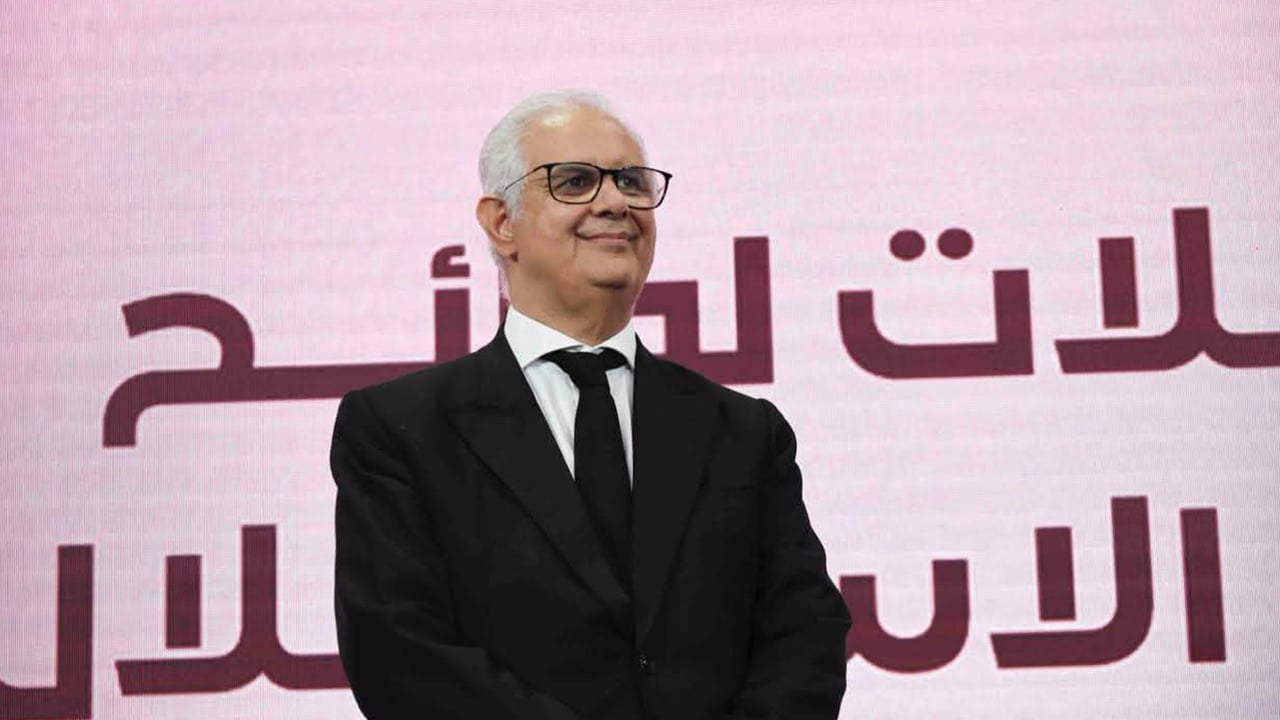
While other major Moroccan political parties like the RNI and PAM are engaging in high-profile campaigns featuring large public meetings, aggressive recruitment drives, and public spats, Istiqlal is adopting a quieter, more structured approach. This deliberate discretion, focusing on sober gatherings and a well-defined program, is seen by some as a potential strategic advantage in an …
Imagine a school election where some kids shout really loud, have big parties, and try to get everyone's attention. But one kid, Nizar Baraka, from the Istiqlal team, is quietly talking to smaller groups, explaining his ideas clearly, and not making a big fuss. The story wonders if being quiet and thoughtful can actually win more votes than being super loud and flashy.
Analysis
The upcoming legislative elections in Morocco are characterized by a stark contrast in campaign methodologies among the leading political parties. While the Rassemblement National des Indépendants (RNI) and the Parti Authenticité et Modernité (PAM) have embraced a highly visible and often confrontational style, the Istiqlal party, under the leadership of Nizar Baraka, has chosen a path of deliberate restraint and sobriety. This strategic divergence sets the stage for a fascinating electoral contest, where the effectiveness of quiet conviction will be tested against the clamor of mass appeal.
Nizar Baraka
Nizar Baraka, as the secretary-general of Istiqlal, is the architect of this understated campaign. His decision to eschew the grand spectacles and public polemics favored by his rivals suggests a belief that a more substantive, program-focused engagement with the electorate will ultimately yield better results. This approach positions Baraka as a leader who prioritizes policy and internal cohesion over outward showmanship, potentially appealing to voters weary of political theatrics. The article frames this as a calculated risk, questioning whether a silent campaign can truly resonate amidst the prevailing noise.
Istiqlal
Istiqlal's campaign is defined by its commitment to 'sober meetings' and a 'structured program.' This means less emphasis on large-scale rallies designed to project strength and more on focused discussions and the detailed articulation of policy proposals. The party's strategy aims to cultivate a perception of seriousness and thoughtful governance, distinguishing itself from competitors who are seen as prioritizing spectacle and recruitment. In a political environment where public trust can be fragile, Istiqlal hopes its measured approach will convey reliability and a genuine commitment to addressing national issues.
RNI et PAM
The RNI and PAM, in contrast, are dominating the electoral narrative through their highly visible and often aggressive tactics. They are characterized by 'large meetings,' 'spectacular recruitments,' and 'cross-attacks,' effectively occupying media screens and filling public halls. This boisterous style is designed to generate momentum, attract attention, and project an image of dynamism and popular support. Their strategy relies on high-energy engagement and direct confrontation, aiming to capture the public imagination and mobilize voters through sheer force of presence and rhetorical sparring.
Key points
- Istiqlal, led by Nizar Baraka, is adopting a sober and discreet campaign strategy for the Moroccan legislative elections.
- This approach contrasts sharply with the RNI and PAM parties, which are holding large meetings, engaging in aggressive recruitment, and public spats.
- Istiqlal's strategy focuses on 'sober meetings' and a 'structured program' to convey seriousness and policy focus.
- The article questions whether this quiet approach can succeed amidst the 'uproar' of the other parties' campaigns.
- The strategic divergence highlights different philosophies on how to win over the Moroccan electorate.
Istiqlal's sober campaign could resonate with a segment of the electorate tired of political grandstanding, potentially attracting voters who value substance, detailed programs, and a more dignified approach to governance. This could lead to a stronger, more stable political mandate for the party if their message of sobriety and structure proves effective.
The discreet nature of Istiqlal's campaign might struggle to cut through the noise generated by its more flamboyant rivals, potentially leading to lower visibility and reduced public engagement. In an 'overheated' campaign environment, a lack of prominent public presence could result in the party's message being overshadowed and failing to mobilize sufficient voter support.