‘Let’s see what he can do’: will Burnham bring voters back to Labour heartlands?
After a significant defeat to Reform UK in Barnsley's local elections, Labour is seeing a potential shift in voter sentiment following Andy Burnham's uncontested rise to Prime Minister.
Intelligence analysis by Gemini 2.5 Flash
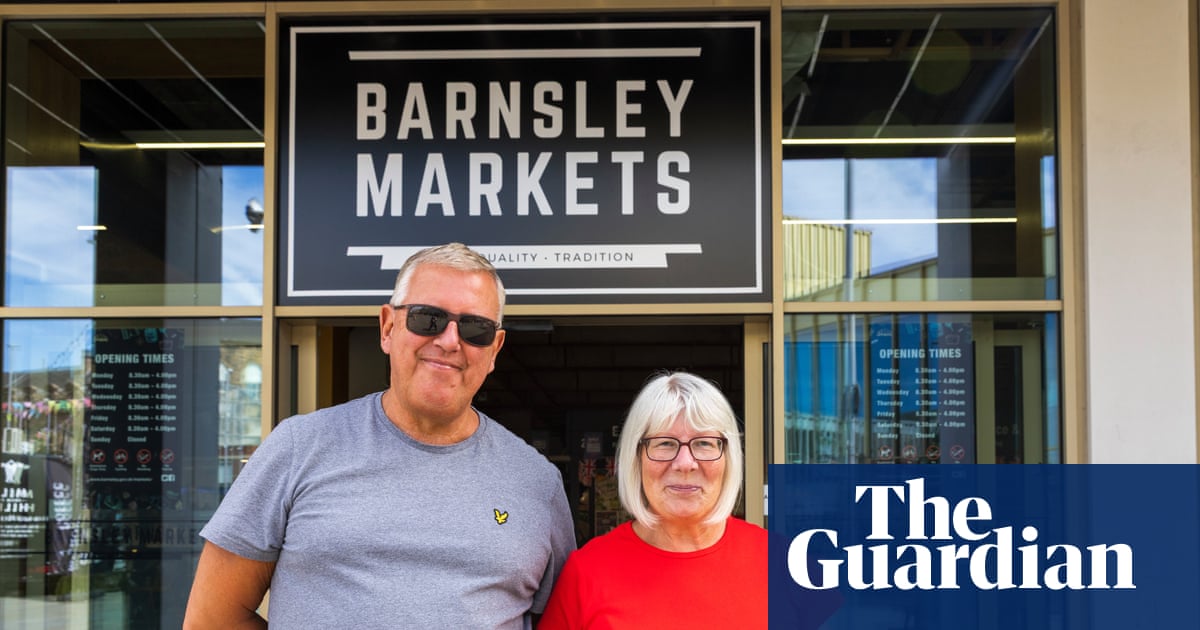
The article explores whether the South Yorkshire town of Barnsley, a former Labour stronghold that overwhelmingly voted Reform in May, could signal a broader return of 'Red Wall' voters to Labour under new Prime Minister Andy Burnham, amidst shifting national political dynamics and scrutiny over Reform leader Nigel Farage.
Imagine your favorite football team lost a big game because people were unhappy with the coach. Now, they have a new coach, Andy, who used to be really good at leading a smaller team. People in a town called Barnsley, who used to always cheer for this team but voted for a different one last time, are now watching Andy to see if he can make things better and bring them back to their old team.
Analysis
Barnsley's May Elections
Barnsley, a town that had been under Labour council control since its inception in 1974, experienced a seismic political shift in May's local elections. Labour, which had previously been a dominant force, was reduced to just 11 councillors, while Reform UK secured a surprising 42 seats. This outcome marked Labour's worst performance in the area in over 50 years, serving as a stark indicator of widespread dissatisfaction with the then-governing Labour party.
Despite the catastrophic local results, the Labour council in Barnsley had a strong record of innovative initiatives. It had won prestigious 'council of the year' awards in 2023 and was recognized as one of the most productive councils nationally. Programs like 'health on the high street,' offering free bus travel for under-18s, and free school uniforms for children, demonstrated a proactive local administration. However, these local successes were overshadowed by national political sentiment, with voters using the local ballot box to express their discontent with the national Labour government under Keir Starmer.
Andy Burnham's Leadership
The severe electoral setbacks, particularly in areas like Barnsley, acted as a catalyst for significant changes within the Labour party's national leadership. Keir Starmer's resignation paved the way for Andy Burnham, the former mayor of Greater Manchester, to become Prime Minister, winning the Labour leadership uncontested after a landslide byelection victory. Burnham's ascent has introduced a new dynamic into UK politics, with many voters in traditional Labour areas expressing a willingness to reconsider their allegiance.
Burnham's track record in Manchester, where he is perceived to have done a "very good job," is now being viewed by some as a potential indicator of his national capabilities. His adoption of policies similar to those pioneered in Barnsley, such as free bus travel for young people, suggests a strategic alignment with successful local initiatives. This new leadership, coupled with a two-point lead in recent YouGov polls, marks Labour's first time ahead since March 2025, signaling a potential turning point for the party.
Voter Perspectives
Voter sentiment in Barnsley remains complex, reflecting a mix of lingering dissatisfaction and cautious optimism. Many who voted Reform in May did so as a protest against the previous Labour government, rather than out of strong support for Reform UK itself. Figures like Richard Riding, a retired HGV driver, exemplify this, stating he voted Reform "just for a change" but is now open to voting Labour again, citing Burnham's past performance.
However, not all voters are swayed. Martin Harvey, a lifelong Labour supporter, switched to Reform due to concerns about immigration and plans to stick with them, indicating that deep-seated issues continue to drive some voters away from Labour. Similarly, Jessica Morgan, a retail worker, voted Reform for the first time and remains content with her decision, prioritizing local issues like road maintenance. The parliamentary standards investigation into Nigel Farage's financial affairs, while not deterring his re-election in Clacton, adds another layer of complexity, potentially eroding some of Reform's broader appeal and creating an opening for Labour to reclaim lost ground.
Key points
- Labour suffered its worst performance in over 50 years in Barnsley's May local elections, losing to Reform UK.
- Andy Burnham has become Prime Minister, winning the Labour leadership uncontested after Keir Starmer's resignation.
- Labour is now ahead in national polls for the first time since March 2025, with a two-point lead over Reform UK.
- Many Barnsley voters used their May vote to punish the previous Labour government, not necessarily to endorse Reform UK.
- Voter sentiment is mixed, with some considering a return to Labour under Burnham, while others remain committed to Reform UK due to issues like immigration.
Andy Burnham's leadership could successfully re-engage 'Red Wall' voters, leveraging his positive reputation from Greater Manchester and Labour's renewed poll lead. The scrutiny facing Nigel Farage might further diminish Reform UK's appeal, allowing Labour to consolidate support and regain lost ground in key constituencies.
Despite Burnham's ascent, deep-seated voter concerns, particularly regarding issues like immigration and local service delivery, could persist, preventing a full return to Labour. Reform UK's local successes and continued appeal to some voters, even amidst national scrutiny of its leader, suggest that Labour's path to recovery in heartland areas remains challenging.