Levi Q2 Preview: Reasonably Priced As Shares Outperform
Levi Strauss shares are up over 12% YTD and trading near the top-end of its 52-week range, with a forward multiple of just under 16x earnings. The company's expansion beyond denim and strong DTC growth contribute to its outperformance.
Intelligence analysis by Llama 3.3 70B
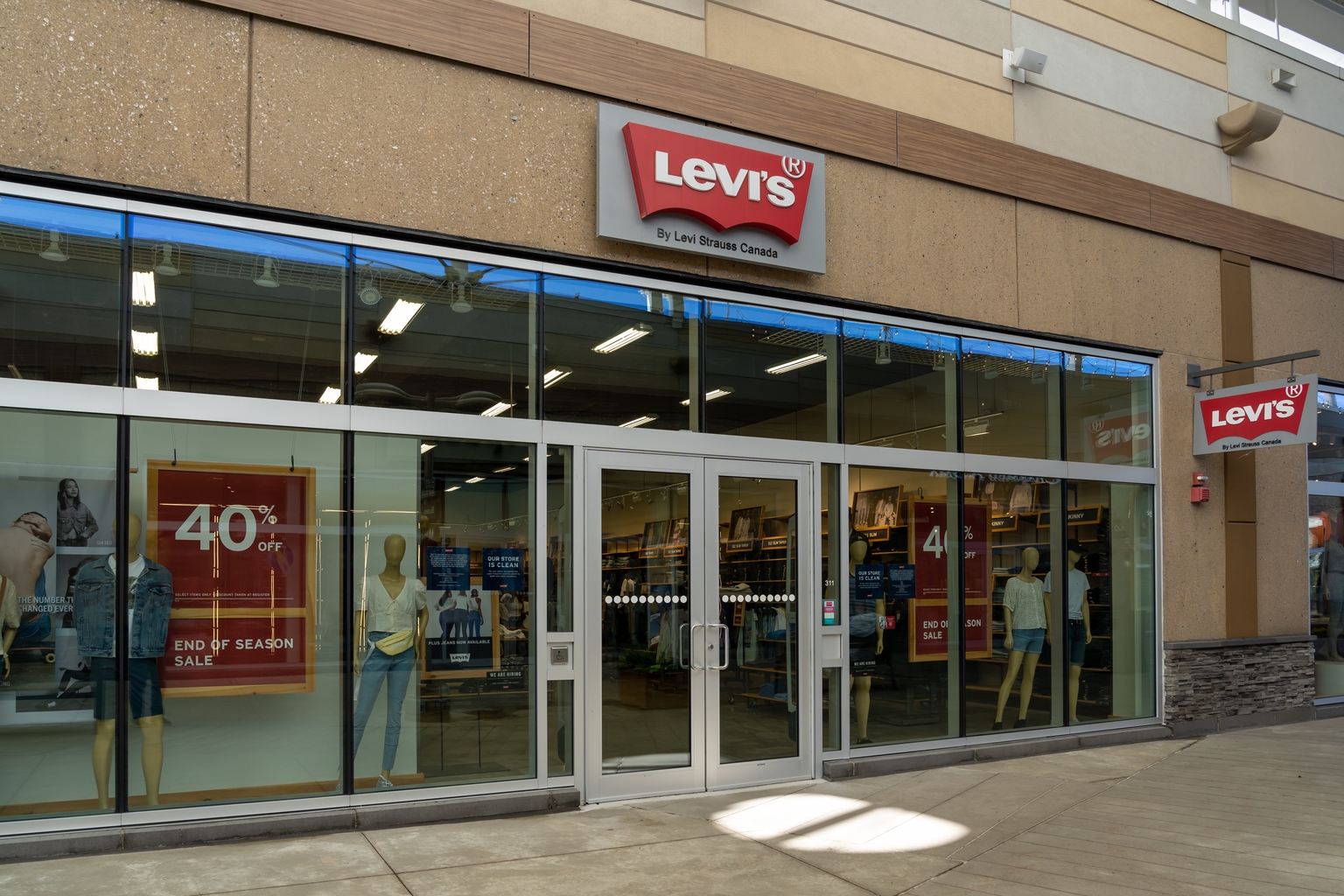
Levi Strauss is reasonably priced given its improving growth profile and recent guidance raises, with a focus on DTC sales growth and non-denim categories.
Levi Strauss is a company that makes jeans and other clothes. They've been doing well because they've been able to sell more clothes directly to customers and make more kinds of clothes beyond just jeans. This has helped them grow and make more money.
Analysis
Expansion Beyond Denim
Levi Strauss has been successful in expanding its business beyond denim, with a focus on direct-to-consumer sales and non-denim categories. This expansion has been a key driver of the company's outperformance, as it has allowed Levi Strauss to tap into new markets and customer segments. The company's ability to adapt to changing consumer trends and preferences has been impressive, and its investments in e-commerce and digital marketing have paid off.
The company's expansion beyond denim has also been driven by its focus on sustainability and social responsibility. Levi Strauss has made significant investments in sustainable manufacturing practices and has been recognized for its efforts to reduce its environmental impact. This focus on sustainability has resonated with consumers, particularly younger generations, and has helped to drive sales and brand loyalty.
Valuation and Growth Outlook
Levi Strauss's current valuation appears reasonable given its improving growth profile and recent guidance raises. The company's forward multiple of just under 16x earnings is in line with its historical averages and is relatively attractive compared to its peers. The company's growth outlook is also positive, with a focus on continued expansion in direct-to-consumer sales and non-denim categories.
The company's recent guidance raises have also been a positive sign, indicating that management is confident in the company's ability to deliver strong results. The company's investments in e-commerce and digital marketing have also been paying off, with online sales growth outpacing overall sales growth. Overall, Levi Strauss's valuation and growth outlook appear attractive, making it a compelling investment opportunity.
Q2 Earnings Outlook
Levi Strauss's Q2 earnings will be closely watched for signs of continued strength in its business, particularly in its direct-to-consumer sales and non-denim categories. Investors will be looking for signs of continued momentum in these areas, as well as any updates on the company's guidance and outlook. The company's ability to deliver strong results will depend on its ability to continue to adapt to changing consumer trends and preferences, as well as its ability to execute on its strategic initiatives.
The company's Q2 earnings will also be closely watched for signs of margin expansion, as the company has been investing in initiatives to improve its profitability. The company's ability to deliver margin expansion will depend on its ability to control costs and improve its operational efficiency. Overall, Levi Strauss's Q2 earnings will be an important indicator of the company's continued strength and momentum.
Key points
- Levi Strauss shares are up over 12% YTD
- The company has expanded beyond denim with a focus on direct-to-consumer sales and non-denim categories
- Levi Strauss's current valuation appears reasonable given its improving growth profile and recent guidance raises
If Levi Strauss continues to execute on its strategic initiatives and deliver strong results, the company's stock could continue to outperform. The company's focus on sustainability and social responsibility could also continue to drive sales and brand loyalty, particularly among younger generations.
If Levi Strauss is unable to continue to adapt to changing consumer trends and preferences, the company's sales and profitability could suffer. The company's investments in e-commerce and digital marketing may not pay off, and the company's margin expansion initiatives may not be successful.