Lockerbie Bombing Case: New Documents and Old Questions
The Lockerbie bombing case, which killed 270 people in 1988, continues with a new trial for a suspected bomb-maker, Abu Agila Mas'ud. Despite a previous conviction, new perspectives and doubts persist regarding the official narrative, with some suggesting Iran's involvement.
Intelligence analysis by Gemini 2.5 Flash
The article revisits the 1988 Lockerbie bombing, highlighting the ongoing legal proceedings and the persistent skepticism surrounding the official conclusion that Libya was solely responsible. It focuses on Jim Swire, a victim's father, and a former CIA agent, who both believe Iran, using proxy groups, was the true perpetrator, challenging the credibility of key evidence and witnesses.
Imagine a really sad mystery from a long time ago about a plane that blew up, killing lots of people. Even though someone was put in jail, some people, like a dad whose daughter died, still think the wrong person was blamed. They believe another country, Iran, might have been secretly involved, using other groups to do it, and they want to find the real truth, even after all these years.
Analysis
The Enduring Shadow of Lockerbie
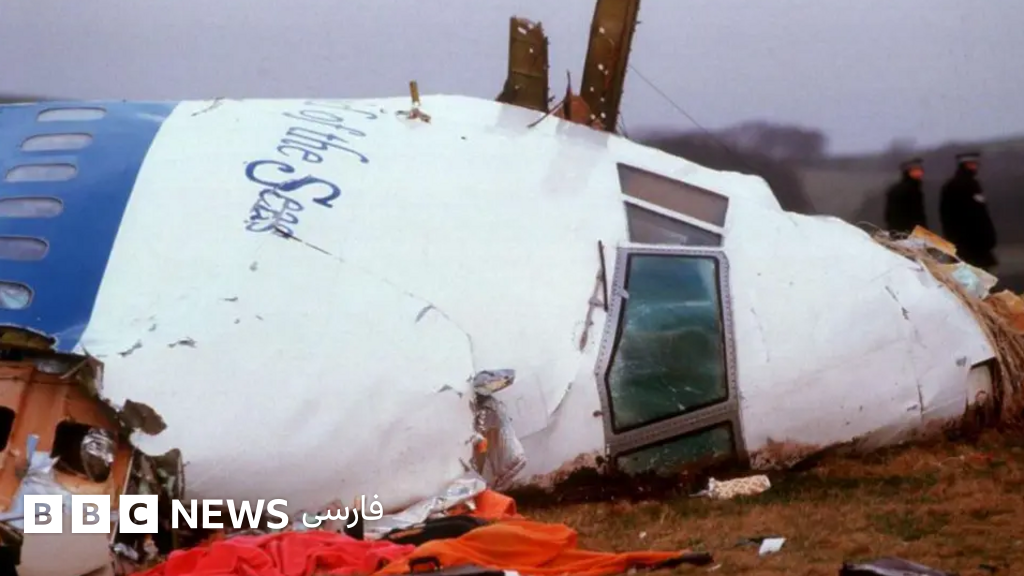
The Lockerbie bombing of Pan Am Flight 103 in December 1988 remains one of the deadliest acts of terrorism in British history, claiming 270 lives. While Abdelbaset al-Megrahi, a Libyan intelligence officer, was convicted in 2001, the case has never truly closed for many, including some victims' families. The upcoming trial of Abu Agila Mas'ud in Washington D.C., suspected of constructing the bomb, signifies a renewed effort to seek justice, yet it also reopens old wounds and questions about the true perpetrators. This persistent legal and investigative pursuit underscores the profound impact of the tragedy and the international community's long-standing commitment to understanding its full scope.
Challenging the Official Narrative
A central theme of the article is the deep skepticism held by figures like Jim Swire, whose daughter Flora was killed in the bombing. Swire firmly believes al-Megrahi was innocent and points to Iran as the likely orchestrator, citing the downing of an Iranian passenger plane by a US warship five months prior and Iran's subsequent vow of retaliation. He highlights the discovery of similar explosive devices by German police, linked to a Palestinian proxy group (PFLP-GC) operating in Frankfurt, suggesting the bomb was loaded there, not Malta, as the court concluded. This alternative theory, supported by a former CIA agent, John Holt, directly challenges the foundational evidence of the original trial, including the credibility of key witnesses and the role of intelligence agencies.
Intelligence Credibility and Lingering Doubts
The article delves into the reliability of intelligence sources, particularly through the perspective of former CIA agent John Holt. Holt, who managed a double agent named Abdul-Majid Jaaka, now dismisses Jaaka as a "braggart and a liar" who fabricated information for payment. This revelation casts a shadow over the evidence that implicated Libya, as Jaaka's information was crucial to the Lockerbie investigation. Holt's assertion that the CIA's funding of Jaaka compromised his objectivity further fuels the argument that the official narrative might be flawed. The ongoing trial of Mas'ud, therefore, is not just about a new suspect but also about potentially re-evaluating the entire body of evidence and the intelligence operations that shaped the initial conclusions, especially concerning Iran's alleged involvement via proxies.
Key points
- The Lockerbie bombing case, which killed 270 people in 1988, is being revisited with the upcoming trial of Abu Agila Mas'ud.
- Jim Swire, a victim's father, believes the convicted Libyan intelligence officer, al-Megrahi, was innocent and points to Iran as the true perpetrator.
- Swire suggests the bomb was loaded in Frankfurt by a Palestinian proxy group (PFLP-GC) linked to Iran, not Malta as officially concluded.
- A former CIA agent, John Holt, supports the Iran theory and questions the credibility of a key double agent whose information implicated Libya.
- The case highlights persistent doubts about the official narrative and the reliability of intelligence gathering in high-profile terrorism investigations.
The upcoming trial of Abu Agila Mas'ud could potentially bring new evidence to light, offering a clearer understanding of the Lockerbie bombing and providing a sense of closure for victims' families. If the alternative theories regarding Iran's involvement are substantiated, it could lead to a more accurate historical record and renewed accountability.
The ongoing re-examination of the Lockerbie case, particularly the questioning of established evidence and intelligence sources, risks further muddying the waters and prolonging the suffering of victims' families. If the new trial fails to provide definitive answers or if conflicting narratives persist, it could deepen distrust in international justice processes and leave the true perpetrators unpunished in the eyes of some.