London rollout of robotaxis delayed amid lack of guidance for firms to follow
The launch of robotaxis in London, initially planned for "later this summer" by Uber and Wayve, is now unlikely this year due to regulatory and technical hurdles.
Intelligence analysis by Gemini 2.5 Flash
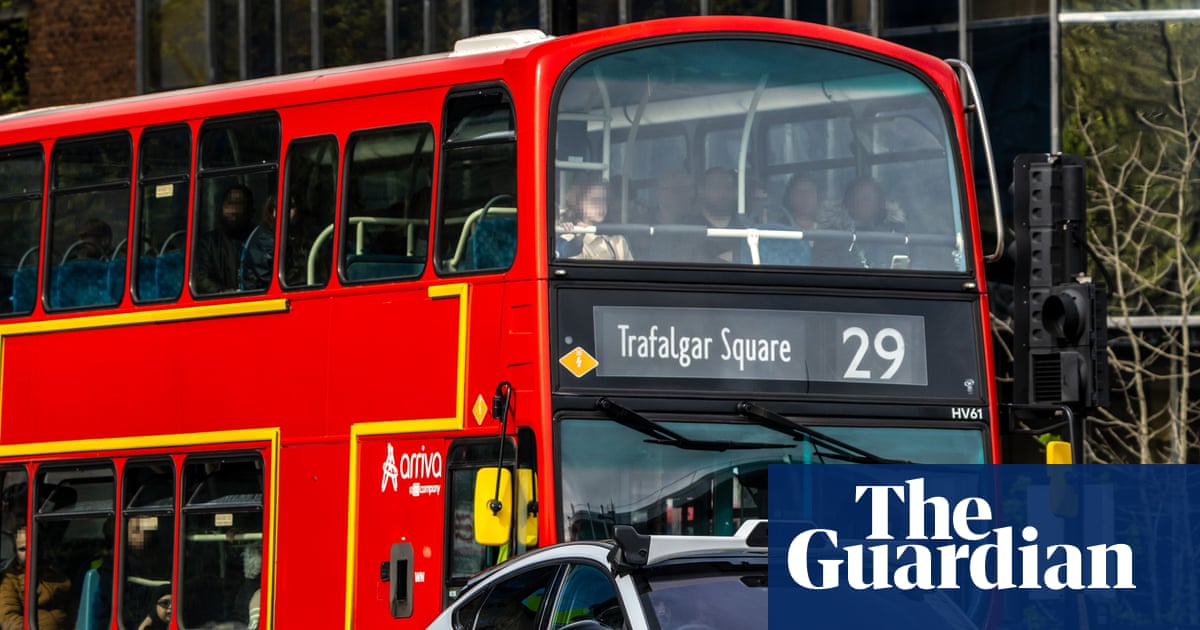
The ambitious timeline for commercial self-driving taxi trials in London has been pushed back, primarily because Transport for London (TfL) has not yet published the necessary guidance for companies like Uber and Wayve to secure approval, despite earlier government acceleration of the schedule.
Imagine you're super excited to ride a cool new self-driving car, like a taxi that drives itself! Companies like Uber and Wayve wanted to bring these cars to London very soon. But the people who make the rules for roads, like the traffic police, haven't finished writing down all the instructions and safety checks yet. So, even though the cars are almost ready, they can't pick up passengers without those rules, meaning everyone has to wait a bit longer.
Analysis
The postponement of robotaxi services in London highlights the significant regulatory challenges facing the autonomous vehicle industry, even as technological advancements continue apace. While the UK government, through Transport Secretary Heidi Alexander, had aimed to accelerate the timeline for commercial trials, the practical implementation has proven more complex. The lack of clear guidelines from Transport for London (TfL) is a primary bottleneck, preventing companies from moving forward with their plans for public deployment. This situation underscores the tension between governmental ambition to foster innovation and the necessity for robust regulatory frameworks to ensure public safety and operational standards.
TfL
Transport for London's role in the delay is central, as the transit authority has yet to issue the crucial guidance required for companies to apply for and receive approval for self-driving services. Christina Calderato, TfL’s director of strategy, indicated that the authority is not rushing the process, citing a "huge amount of work going on behind the scenes." This suggests a cautious approach, prioritizing thoroughness over speed, which, while understandable for a novel and complex technology, directly impacts the operational timelines of firms ready to launch.
The absence of these guidelines creates uncertainty for companies like Uber and Wayve, who have already secured minicab licenses for vehicles with safety drivers. It also affects competitors like Google-owned Waymo and Baidu’s Apollo Go, who are also looking to enter the London market. The regulatory vacuum means that even with advanced technology and significant investment, firms cannot progress to fully driverless operations, stalling the market's development in one of the world's major capitals.
Uber and Wayve
Uber and London-based Wayve had initially expressed intentions to begin self-driving taxi trips "later this summer," with a full public launch anticipated. They have a substantial waiting list of over 100,000 Londoners, indicating strong consumer interest in the service. However, the regulatory delays have forced a revision of these plans, making a full driverless launch this year improbable.
Wayve's chief executive, Alex Kendall, clarified that the company never promised a fully driverless operation this year, emphasizing the need to navigate the regulatory process carefully. Their current plans involve small-scale commercial pilots with a human safety driver, using Ford Mustang Mach-E vehicles equipped with Wayve's AI software. The transition to fully driverless operations is tied to the production of a new Nissan Leaf vehicle and, more critically, the regulatory approvals.
London
London's entry into the robotaxi market is proving to be more challenging than in other global cities. While robotaxis are already operational in over 20 cities across the US, China, and the Middle East, and Zagreb recently became the first European city to offer autonomous rides (albeit with a safety driver), London faces unique complexities. Alex Kendall of Wayve specifically noted that London presents a "significant step up in complexity compared to Phoenix or San Francisco," likely due to its intricate road networks, diverse traffic conditions, and dense urban environment.
This complexity, combined with the cautious regulatory stance of TfL and the Driver and Vehicle Standards Agency (DVSA), positions London as a more difficult market to penetrate for autonomous vehicle companies. The delay could impact London's competitive standing in the global race for autonomous mobility, potentially ceding an early advantage to cities and regions with more streamlined regulatory pathways. Companies like Waymo are already planning commercial operations in Munich, Germany, by late next year, highlighting the divergent pace of adoption across different European markets.
Key points
- The rollout of robotaxis in London by Uber and Wayve is delayed and unlikely to happen this year.
- Transport for London (TfL) has not yet published the necessary guidance for companies to offer self-driving services.
- The UK government had previously accelerated the timeline for commercial trials of fully driverless taxis.
- Over 100,000 Londoners are on waiting lists for self-driving taxis from Uber and Wayve.
- London is considered a significantly more complex environment for autonomous vehicles compared to cities like Phoenix or San Francisco.
The cautious approach by Transport for London, while delaying the rollout, could ultimately lead to a more robust and safer regulatory framework for autonomous vehicles. This thoroughness might build greater public trust and ensure a more sustainable long-term integration of robotaxis into London's complex urban environment, setting a high standard for other global cities.
Continued delays in regulatory guidance could stifle innovation and investment in London's autonomous vehicle sector, causing companies to prioritize other cities with clearer pathways to deployment. This might lead to London falling behind in the global robotaxi race, frustrating both businesses and the over 100,000 residents on waiting lists.