Love and Deepspace’s new romanceable character draws heavy criticism despite Paper Games’ apology
Paper Games' 3D romance game, Love and Deepspace, faces significant backlash over its new romanceable character, Ao Yin, due to his visual design, backstory, and the company's communication, leading to plummeting user ratings.
Intelligence analysis by Gemini 2.5 Flash
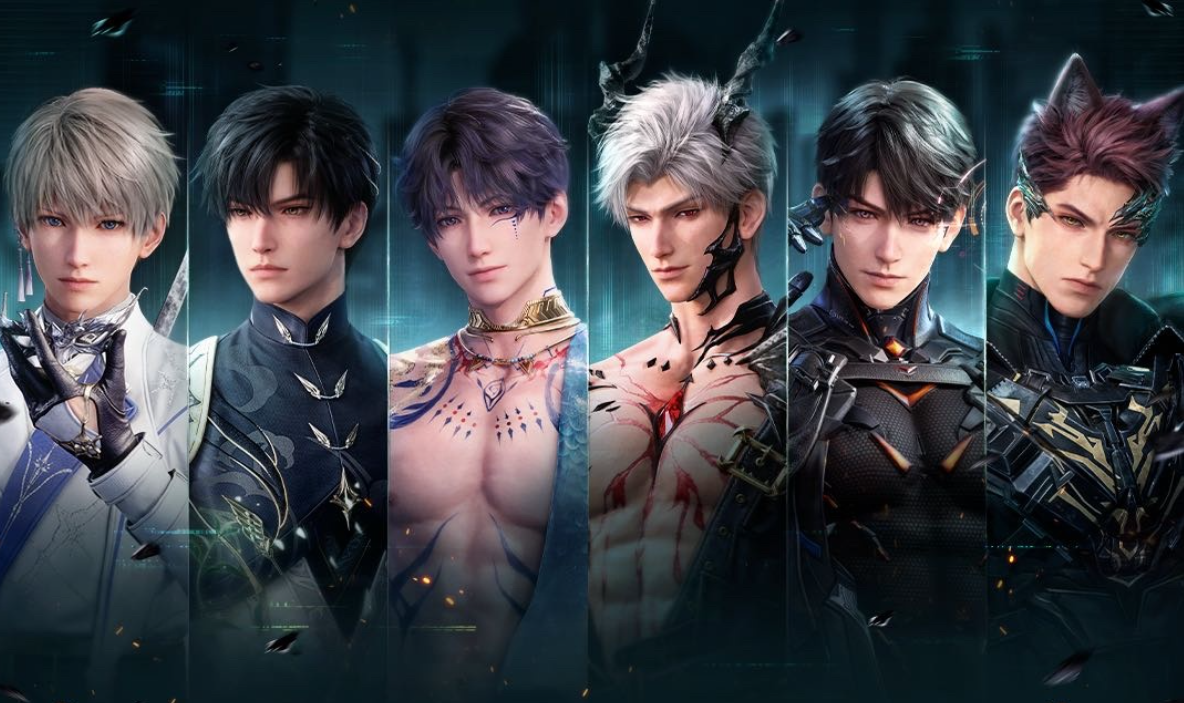
The introduction of Ao Yin, a red-haired werewolf character, into the popular romance game Love and Deepspace has ignited a major controversy among players. Concerns range from his inconsistent aesthetic and problematic lore to the timing of his release amidst unaddressed existing content, prompting widespread criticism and a sharp decline in the game's app store ratings.
Imagine your favorite cartoon show suddenly adds a brand new character who looks totally different from everyone else and is friends with the bad guys, even though you've been waiting for new stories about your old favorites. People who love the show are upset because it feels like the creators aren't listening to what they want, and the show's ratings are dropping like a stone.
Analysis
The Unveiling of Ao Yin and Player Backlash
The introduction of Ao Yin, the sixth romanceable character in Paper Games' 3D romance title, Love and Deepspace, has plunged the game into its most significant controversy since its launch. Unveiled during a livestream, Ao Yin's character design, which features a red-haired werewolf aesthetic, starkly contrasts with the existing five male leads who adhere to a more realistic, East Asian-inspired art style. This visual inconsistency has been a primary point of contention, with many players feeling it disrupts the established artistic integrity of the game.
Beyond aesthetics, players have voiced strong objections to Ao Yin's backstory, which ties his EonCore Group to EVER, one of the game's antagonistic organizations. The idea of pursuing a romantic relationship with a character associated with an opposing faction has proven difficult for a significant portion of the player base to accept, raising questions about narrative coherence and player immersion. This challenge highlights the delicate balance developers must strike between introducing novelty and maintaining the foundational elements that define a game's universe.
Communication Gaps and Content Prioritization
A critical aspect of the controversy stems from Paper Games' communication strategy and perceived content prioritization. Players noted that the main storyline has not received an update in over 500 days, and several existing love interests are still awaiting new Bond Chapters. Against this backdrop, the sudden reveal of a new romanceable character, particularly one with such a divisive design and lore, was seen as a misallocation of development resources and a disregard for existing player expectations.
Paper Games' subsequent open letter acknowledged "shortcomings in how Ao Yin was presented and how information was communicated," offering an apology and in-game compensation. However, the apology notably failed to indicate any changes to Ao Yin's scheduled release, which further fueled player dissatisfaction. The lack of concrete action to address the core concerns, coupled with the perceived dismissiveness of player feedback, has led to a dramatic decline in the game's app store ratings, with its App Store score dropping to 2.0 and Android to 2.6.
Implications for AI-Assisted Game Development
While the article does not explicitly mention AI, this controversy offers valuable lessons for the increasingly AI-assisted landscape of game development. As generative AI tools become more sophisticated in creating character designs, narratives, and even entire game worlds, the challenge of maintaining creative consistency and responding to player sentiment will only intensify. AI could potentially generate diverse character concepts, but human oversight remains crucial to ensure these designs align with established art styles and lore, preventing the kind of aesthetic dissonance seen with Ao Yin.
Furthermore, AI-powered sentiment analysis tools could be instrumental in helping developers gauge player reactions more effectively and in real-time. Had such tools been employed to analyze early community feedback or test reactions to Ao Yin's concept, Paper Games might have identified the potential for backlash sooner and adjusted their strategy. This incident underscores that even with advanced AI capabilities, understanding and respecting the player community's expectations and emotional investment remains paramount for long-term success in the competitive gaming industry.
Key points
- Love and Deepspace introduced a new romanceable character, Ao Yin, sparking widespread player criticism.
- Players' main concerns include Ao Yin's visual design, which deviates from the game's established aesthetic, and his backstory linking him to an antagonistic organization.
- The timing of his introduction is also criticized, as existing characters lack new content and the main storyline hasn't been updated in over 500 days.
- Paper Games issued an apology for communication shortcomings but confirmed Ao Yin's launch would proceed as scheduled.
- The controversy has led to significant drops in the game's app store ratings and calls for the character's removal or refunds.
This controversy could prompt Paper Games to re-evaluate its player engagement strategies, leading to more transparent communication and a greater focus on community feedback in future content development. By addressing player concerns directly and demonstrating a commitment to the game's established lore and character arcs, the company could rebuild trust and foster a more loyal player base.
If Paper Games fails to adequately address the deep-seated player dissatisfaction, the continued rollout of Ao Yin without significant changes could lead to further alienation of its core audience. This might result in a sustained decline in player numbers and revenue, potentially damaging the game's long-term viability and the developer's reputation within the competitive mobile gaming market.