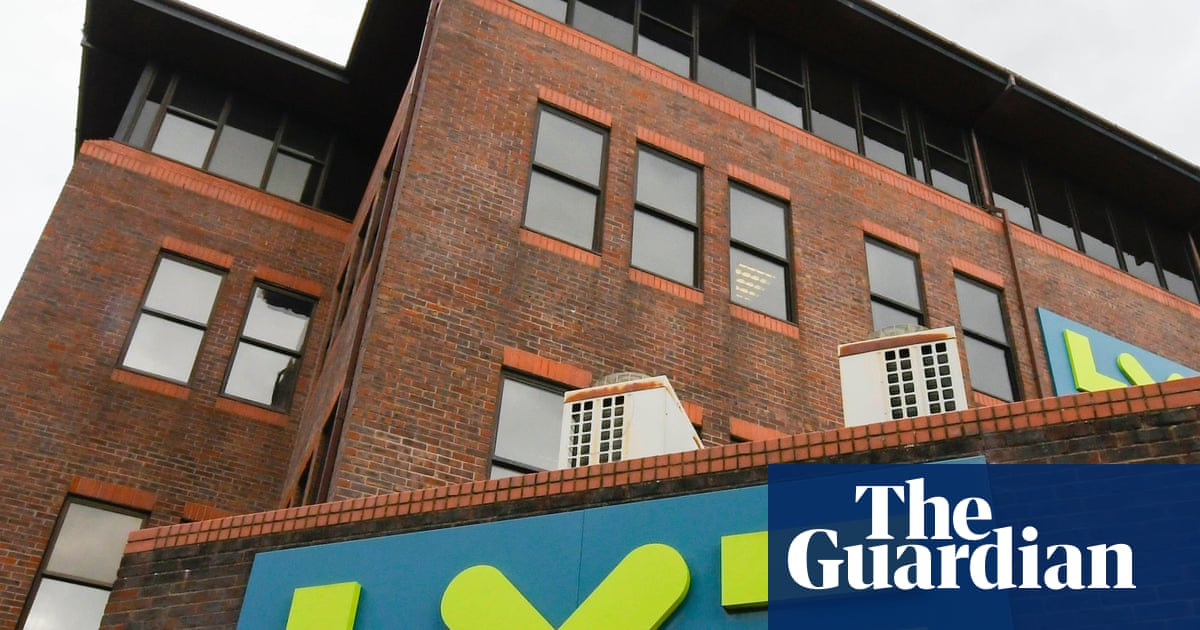
LV= insurance is ignoring us while our house literally falls apart
A family in London is living in a collapsing home due to years of delays and alleged cost-cutting by LV= General Insurance on a subsidence claim lodged in 2023.
Intelligence analysis by Gemini 2.5 Flash
The family's house has suffered significant cracking, with a radiator shearing away, while LV= has stalled on repairs, proposing inadequate solutions despite independent expert recommendations for underpinning or rebuilding. The insurer has also dramatically increased their annual premium, leading to accusations of penalization.
Imagine your house is like a sandcastle, and the ground underneath is getting soggy and shrinking, making cracks appear. You tell your sandcastle-fixer (insurance company) about it, but instead of fixing the big cracks properly, they keep suggesting tiny patches. For three years, your sandcastle keeps crumbling, and now a whole wall is falling off! The fixer even made you pay way more money, and they're blaming a big tree next door for the problem, even though they haven't fixed anything yet.
Analysis
This Guardian report brings to light a distressing situation involving a family's home literally falling apart while their insurer, LV= General Insurance, allegedly delays and obstructs a subsidence claim. The core of the issue revolves around the insurer's reluctance to authorize comprehensive repairs recommended by independent experts, instead proposing superficial fixes. This protracted dispute, spanning three years since the initial claim in 2023, underscores a significant challenge faced by consumers when dealing with complex property damage and the often-opaque processes of insurance companies.
LV=
LV= General Insurance is at the center of this controversy, accused of cost-cutting and causing years of delays in resolving a critical subsidence claim. Despite the family providing proof of worsening damage, including a radiator shearing away from a cracked wall, the insurer has reportedly ignored their pleas. This inaction is particularly concerning given the company's subsequent acknowledgment that a full rebuild is now required, a more extensive and costly solution than initially recommended.
Adding to the family's distress, LV= has hiked their annual premium from £400 to £2,500, a move the family perceives as a penalty for making a claim. While LV= states it takes the claim seriously and understands the frustration, blaming the delay on the need to address the cause of movement (tree removal), their actions have led to severe structural deterioration and immense stress for the homeowners. The company is now reviewing the premium increase under its complaints procedure, suggesting an internal recognition of potential issues with their handling.
2023
The timeline of the claim, initiated in 2023, is crucial to understanding the severity of the situation. Three years have passed since the initial subsidence damage was reported, during which the family's home has continued to deteriorate significantly. This extended period of inaction by LV= has transformed a repairable issue into one requiring a full rebuild, according to the insurer's own recent assessment. The delay highlights a systemic problem where initial expert recommendations for underpinning or rebuilding were not acted upon promptly.
Independent surveyors, commissioned by the family in May, confirmed the need for substantial structural work, yet progress remained elusive. The article notes that LV= obtained a quote for underpinning in February, but the work was never carried out. This sequence of events suggests a pattern of deferral that has exacerbated the damage and prolonged the family's ordeal, raising questions about the efficiency and responsiveness of the claims process for complex issues like subsidence.
Eucalyptus Tree
A key factor complicating the claim, according to LV=, is an eucalyptus tree owned by a neighbor who refuses to remove it. The insurer blames both the subsidence and the delay on this tree, stating that addressing the cause of movement, such as tree removal, is a prerequisite for permanent repairs. This introduces a third-party element that can significantly protract subsidence claims, as insurers often require the underlying cause to be mitigated before undertaking structural repairs.
While the presence of the tree and the neighbor's refusal undoubtedly add complexity, the article implies that LV='s handling of the situation has been inadequate, regardless of this external factor. The family had already removed several nearby trees on LV='s advice, to no avail, indicating that the eucalyptus tree might not be the sole or primary cause, or that LV='s strategy for addressing the root cause has been ineffective. This aspect of the case underscores the intricate nature of subsidence claims, often involving environmental factors and neighborly disputes, which can be exploited to delay resolution.
Key points
- A family's home is collapsing due to alleged delays and cost-cutting by LV= General Insurance on a subsidence claim.
- The claim was lodged in 2023, but LV= reportedly stalled, proposing inadequate repairs despite independent expert advice.
- Significant cracking has occurred, including a radiator shearing away, while the insurer ignored the family's pleas.
- LV= hiked the family's annual premium from £400 to £2,500, which the family perceives as a penalty.
- LV= now acknowledges a full rebuild is needed and blames an unremoved eucalyptus tree owned by a neighbor for the delays.
LV= has now acknowledged that a full rebuild is required and states that repairs will begin once designs and council bureaucracy are complete. The company is also reviewing the family's premium price rise under its complaints procedure, offering a glimmer of hope for a fair resolution and compensation for the delays.
The family faces continued uncertainty and stress as repairs are still pending, with the potential for further delays due to design approvals and council bureaucracy. The significant premium hike and the insurer's initial reluctance to act raise concerns about the broader treatment of complex claims and the financial burden on policyholders.