Lyft and Baidu start testing robotaxis in London
Lyft and Baidu have started testing robotaxis in London as part of their partnership to deploy thousands of autonomous vehicles across Europe. The trials will begin with test drivers aboard and will eventually expand to include public rides.
Intelligence analysis by Llama
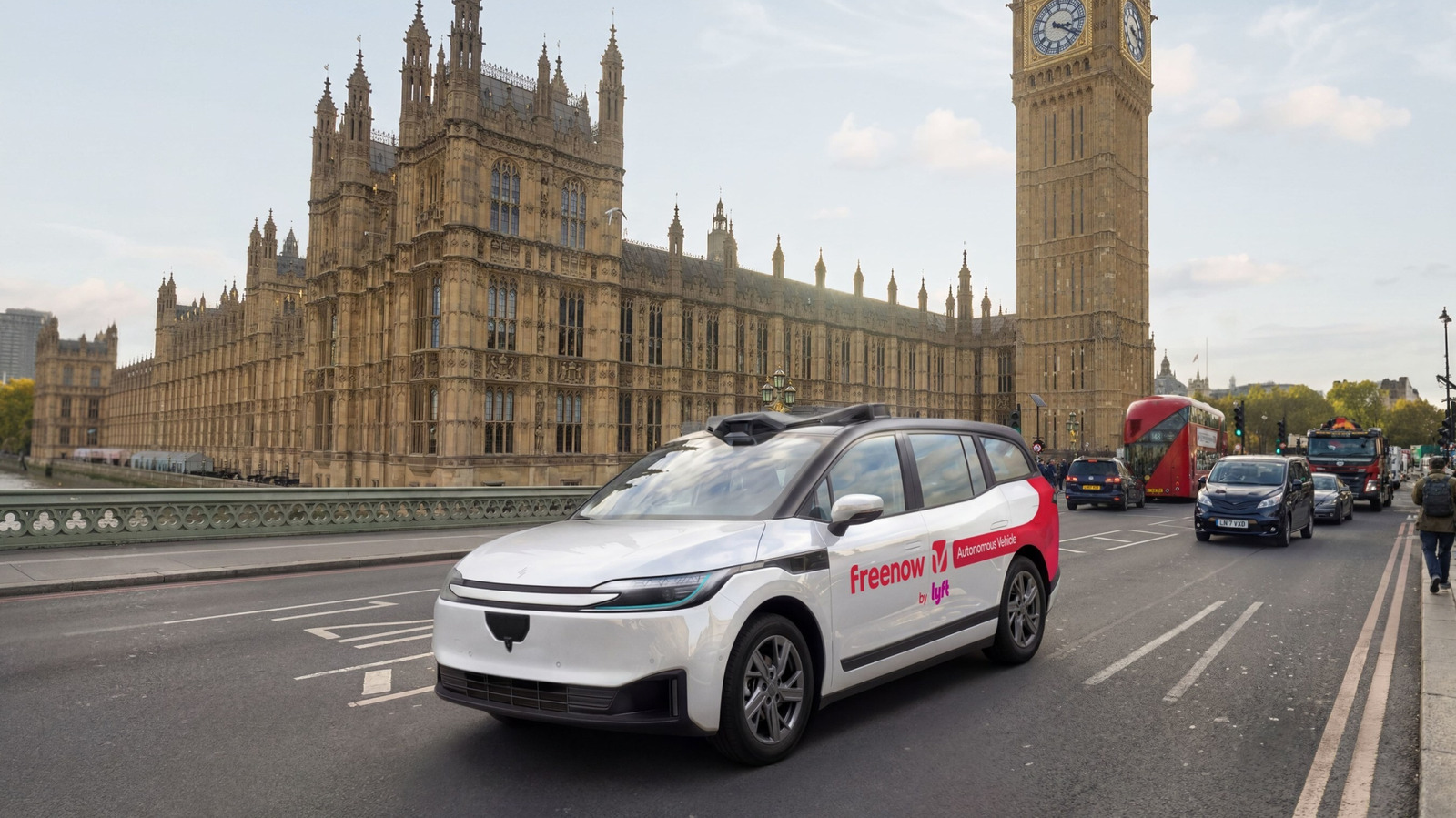
Lyft and Baidu have started testing robotaxis in London as part of their partnership to deploy thousands of autonomous vehicles across Europe. The trials will begin with test drivers aboard and will eventually expand to include public rides.
Imagine a car that can drive itself without a human behind the wheel. That's what Baidu and Lyft are testing in London. They're using special computers and sensors to help the car navigate the roads and avoid accidents. It's like having a super-smart co-pilot who can drive the car for you.
Analysis
A $60B Vote of Confidence
Baidu's decision to start testing robotaxis in London is a significant vote of confidence in the technology. The company has been working on its autonomous driving platform, Apollo, for several years and has already seen success in China. The partnership with Lyft and Freenow will help to accelerate the deployment of autonomous vehicles across Europe.
Why London?
London was chosen as the testing ground for Baidu's robotaxis due to its dense population and complex traffic patterns. The city's transportation infrastructure is also well-suited for the testing of autonomous vehicles. The partnership with Freenow will also help to leverage the company's existing taxi network in the UK and Germany.
The Road Ahead
The testing of robotaxis in London is just the beginning. Baidu and Lyft have plans to deploy thousands of autonomous vehicles across Europe, which could have major implications for the transportation industry. The partnership will also help to accelerate the development of autonomous driving technology, which could lead to the creation of new jobs and industries.
Key points
- Lyft and Baidu have started testing robotaxis in London as part of their partnership to deploy thousands of autonomous vehicles across Europe.
- The trials will begin with test drivers aboard and will eventually expand to include public rides.
- The partnership with Freenow will help to leverage the company's existing taxi network in the UK and Germany.
- The testing of robotaxis in London is just the beginning, with plans to deploy thousands of autonomous vehicles across Europe.
If the testing of robotaxis in London is successful, it could lead to the widespread adoption of autonomous vehicles across Europe. This could have major implications for the transportation industry, including the creation of new jobs and industries.
However, there are also risks associated with the testing of robotaxis, including the potential for accidents and the impact on jobs in the transportation industry.