Mainland transit offers alternative for Europe trips amid Middle East war
Hong Kong travelers are increasingly opting for transit through mainland China for Europe-bound flights, driven by safety concerns over the Middle East conflict and more competitive airfares.
Intelligence analysis by Gemini 2.5 Flash
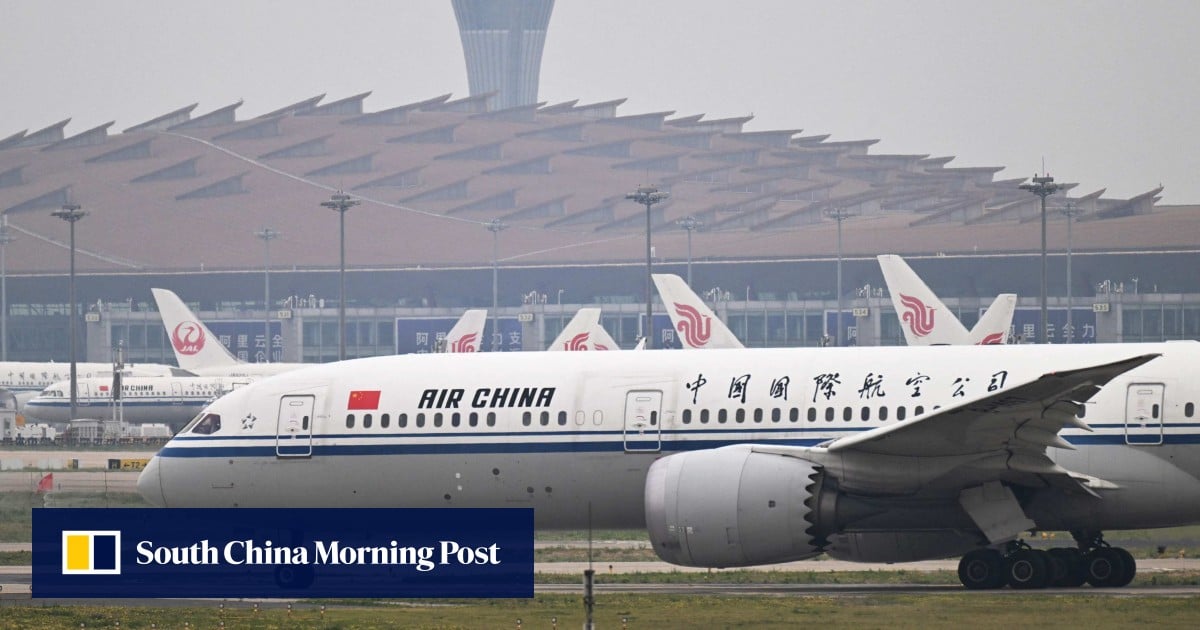
Amid the US-Israel war on Iran, Hong Kong residents are hesitant to fly through the Middle East, traditionally a key transit hub for Europe. This has led to a surge in demand for direct flights and, unexpectedly, for routes transiting through mainland Chinese cities like Shanghai and Beijing, which are now offering cheaper alternatives.
Imagine you want to fly from Hong Kong to Europe, like going to a friend's house far away. Usually, you might stop in the Middle East to change planes. But because there's a war happening there, some people are a bit scared to fly that way. So, they're now choosing to stop in cities in mainland China, like Shanghai or Beijing, instead. It's like taking a different, sometimes cheaper, bus route to avoid a bumpy road!
Analysis
Reshaping European Travel Routes
The ongoing conflict in the Middle East, specifically the US-Israel war on Iran, has significantly altered the calculus for Hong Kong travelers planning trips to Europe. Traditionally, Middle Eastern hubs served as popular and efficient transit points for long-haul flights. However, safety concerns stemming from the conflict have made many residents wary of these routes, leading to an initial dip in interest for summer European tours. This apprehension has created a vacuum, pushing travelers to seek out alternative pathways that bypass the perceived risks of flying through the Gulf region.
Mainland China's Strategic Advantage
In response to this evolving demand, mainland Chinese airlines and airports have emerged as an unexpected but increasingly viable alternative. Carriers operating out of cities like Shanghai and Beijing have proactively offered group discounts for tours departing from Hong Kong, effectively absorbing a portion of the demand that would typically go to Middle Eastern airlines. This development is not merely a short-term reaction to the conflict; it also reflects broader improvements in the services and infrastructure of mainland Chinese airlines and airports, making them more attractive to Hong Kong travelers who are becoming more open to cross-border services. For popular destinations such as London, economy flights transiting through the mainland are reportedly HK$1,000 to HK$2,000 cheaper than direct services from Hong Kong during peak season, even before considering fuel surcharges.
Implications for Hong Kong's Travel Industry
The shift towards mainland transit presents both opportunities and challenges for Hong Kong's travel industry. While it provides a crucial alternative for travelers, it also means a diversion of business from Hong Kong-based airlines and direct routes. Travel agencies like Miramar Travel and Goldjoy Holidays are adapting by incorporating these mainland transit options into their offerings. The trend suggests a growing integration of Hong Kong's travel market with that of mainland China, driven by external geopolitical factors and internal improvements in service quality. However, industry leaders also caution that the cost savings from cheaper fares via the mainland could be partially offset by higher fuel charges, a persistent concern in the volatile global energy market.
Key points
- Hong Kong travelers are increasingly choosing mainland China for Europe transit due to Middle East conflict safety concerns.
- Mainland airlines are offering group discounts for tours departing from Hong Kong, with stopovers in cities like Shanghai or Beijing.
- Economy flights via mainland China can be HK$1,000 to HK$2,000 cheaper than direct flights from Hong Kong to Europe.
- The shift is attributed to both safety concerns and improvements in mainland Chinese airline and airport services.
- Industry leaders warn that cheaper fares may be offset by higher fuel charges.
This trend could bolster the travel industry in mainland China, increasing passenger traffic and revenue for its airlines and airports. It also provides Hong Kong travelers with more diverse and potentially more affordable options for international travel, enhancing regional connectivity.
The reliance on alternative routes highlights the ongoing instability in the Middle East, which could continue to disrupt global travel patterns and potentially lead to higher overall fuel costs, offsetting any fare savings for travelers.
Market signals
- OIL The article notes that safety concerns and rising airfares, partly due to the Middle East conflict, are pushing travelers to alternative routes, implying upward pressure on fuel costs and thus crude oil prices.
AI-generated analysis of potential market relevance. Not financial advice.