Make NHS and MoD uniforms in UK, fashion firms urge Burnham
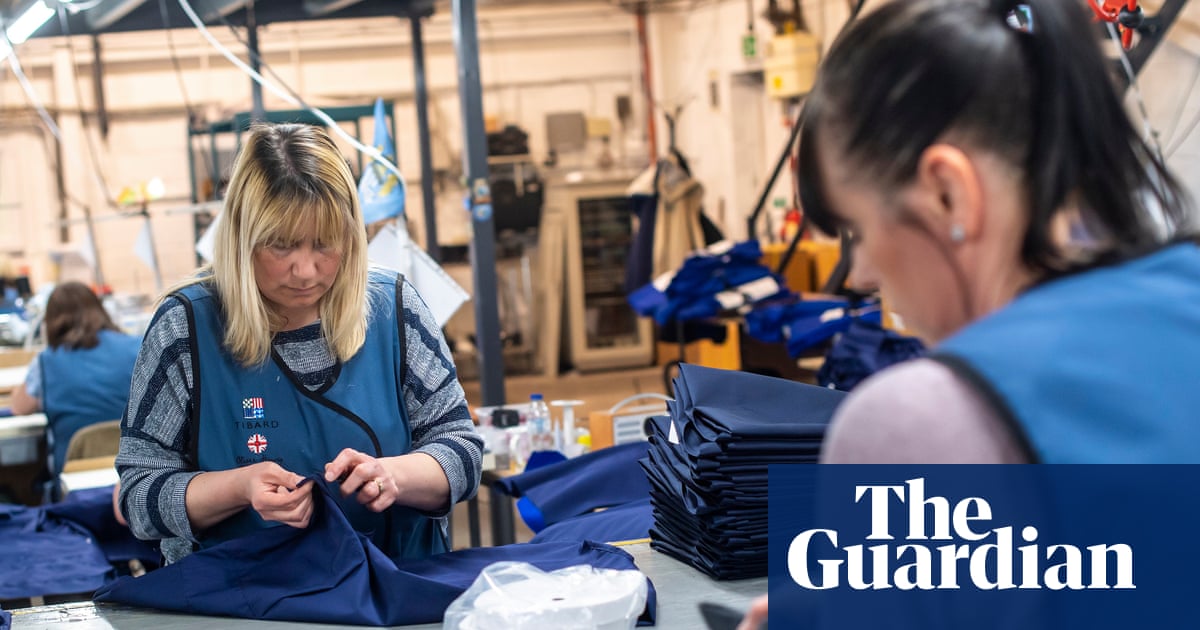
Fashion industry groups are urging Andy Burnham to prioritize domestic manufacturing for NHS and Ministry of Defence uniforms. They argue this would boost UK jobs and skills, citing examples like Scotland's PPE production and the US Berry Amendment.
Intelligence analysis by Gemini 2.5 Flash Lite
A coalition of fashion firms and industry experts is advocating for the UK government to award public procurement contracts for NHS and military uniforms to domestic manufacturers. They believe this strategy, supported by over 1,200 signatories including notable figures, is crucial for preserving manufacturing skills, fostering inclusive growth, and enhancing regional resilience, whil…
Imagine the government needs to buy lots of uniforms for doctors and soldiers. Instead of buying them from far-away factories, this group wants them made in UK factories. This would give jobs to people in the UK, help factories stay open, and make sure we have uniforms even if other countries can't send them.
Analysis
£120m Public Procurement
The push to manufacture NHS and Ministry of Defence uniforms domestically centers on leveraging public procurement as a significant economic lever. The Fashion Roundtable estimates that approximately £120 million is spent annually on these uniforms, with a substantial 55% currently sourced from overseas manufacturers. This presents a considerable opportunity to redirect funds towards the UK economy, supporting domestic businesses and employment. The thinktank emphasizes that awarding these contracts to onshore suppliers is the most effective way to retain manufacturing skills, promote inclusive growth across regions, and build greater resilience in the supply chain. This approach moves beyond simply seeking the lowest cost, instead focusing on the broader economic and social benefits of keeping production within the UK.
55% Overseas Manufacturing
The current reliance on overseas manufacturing for over half of NHS and MoD uniforms raises several concerns, extending beyond mere economic considerations. The article points to the UK's experience with personal protective equipment (PPE) during the Covid-19 pandemic, where a significant portion of public funds was spent on flawed overseas procurement, primarily from China, leading to an estimated £10bn in wasted expenditure. In contrast, Scotland's domestic PPE production initiative in 2021, which involved an investment of £102.7m and produced 88% of its PPE locally, generated £66.7m in additional economic value and created 1,400 jobs. This stark comparison underscores the potential economic uplift and job creation achievable through domestic sourcing. Furthermore, concerns about national security and supply chain resilience are amplified when critical items like military uniforms are produced in countries with whom the UK may have unstable relationships, as highlighted by Iain Duncan Smith's comments comparing it to pre-WWII sourcing.
Key points
- Fashion industry groups are urging the UK government to prioritize domestic manufacturing for NHS and Ministry of Defence uniforms.
- They estimate £120m is spent annually on these uniforms, with 55% currently made overseas.
- Domestic production is seen as vital for preserving UK manufacturing skills, jobs, and regional economic resilience.
- The US Berry Amendment, mandating domestic military uniform production, is cited as a successful precedent.
- Concerns about supply chain security and the economic benefits of domestic sourcing are highlighted, referencing the UK's PPE procurement issues.
If the government embraces domestic manufacturing for NHS and MoD uniforms, it could lead to a significant boost in UK manufacturing jobs and skills. This would foster greater economic resilience and potentially serve as a model for other public procurement sectors, strengthening the national industrial base.
The complexity of current procurement processes could remain a barrier for smaller UK manufacturers, even if contracts are awarded domestically. Additionally, a shift away from overseas suppliers might initially lead to higher costs for uniforms, requiring careful management to avoid impacting public service budgets.