Malaysia’s refugee registration halt risks ‘ultimate disaster’ for new arrivals
Malaysia has ordered the UN refugee agency to stop registering new refugees while it develops a new biometric ID system, a move rights advocates warn could leave new arrivals vulnerable without legal status.
Intelligence analysis by Gemini 2.5 Flash
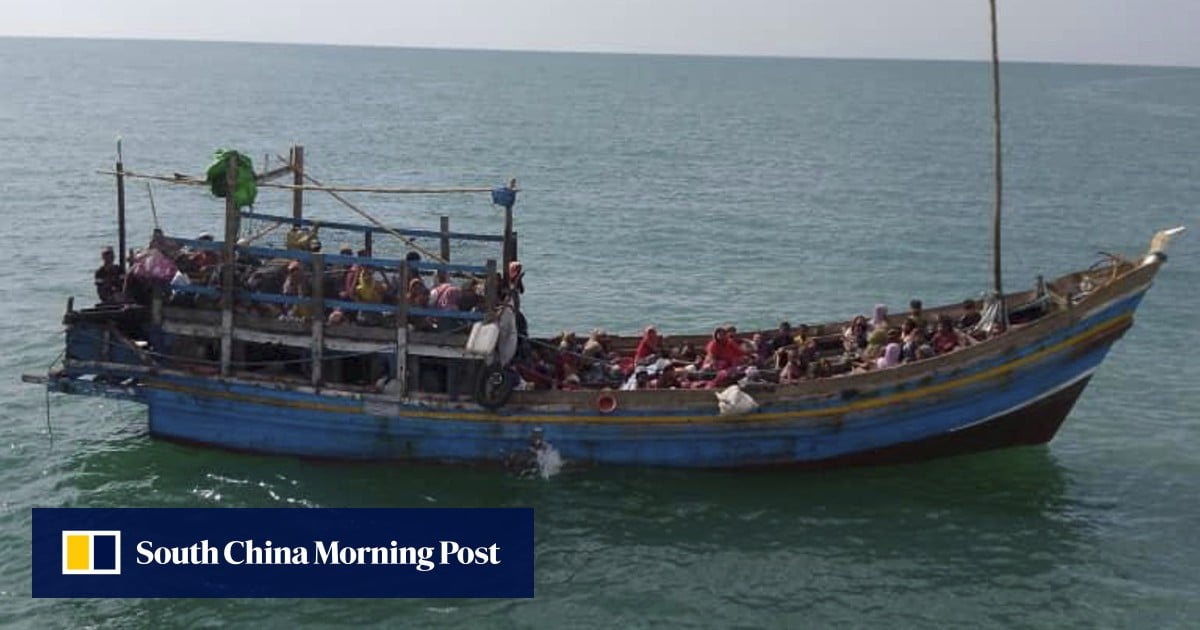
Malaysia's government has temporarily suspended new refugee registrations by the UNHCR, intending to implement its own biometric identification system, the DPP. While officials claim this will enhance control and data coordination, human rights activists fear it will expose unregistered asylum seekers to exploitation and raids, as Malaysia does not grant formal legal status to refugee…
Imagine a country that helps people who had to leave their homes because of danger. Usually, a special UN group helps these people sign up so everyone knows they need help. But now, this country wants to stop that and make its own list using fingerprints and face scans. This means new people arriving won't be able to sign up, making it super risky for them, like playing hide-and-seek without a safe home base, making them easy targets for bad guys.
Analysis
Malaysia's Bid for Control
Malaysia's government has taken a decisive step to assert greater sovereignty over refugee management by halting new registrations by the UNHCR. This move is driven by the desire to establish a national biometric identification system, the Dokumen Pendaftaran Pelarian (DPP), which officials believe will provide better data coordination, identity verification, and monitoring of the more than 215,000 displaced individuals within its borders. Deputy Foreign Minister Lukanisman Awang Sauni emphasized that this initiative aims to reduce reliance on "foreign entities" for refugee records, aligning with Malaysia's stance as a non-signatory to the 1951 Refugee Convention.
The government's rationale centers on the argument that Malaysia should not bear the burden of refugee protection alone without the formal obligations of the convention. The DPP program, launched in January, is intended to streamline the process, involving enforcement agencies and strict screening to ensure only eligible refugees receive documentation. This restructuring reflects a long-standing ambition to formalize and nationalize a system that has historically been managed by the UNHCR due to the absence of domestic asylum laws.
The Perilous Gap for Asylum Seekers
Despite the government's stated intentions, rights advocates are sounding alarms about the immediate and severe consequences for newly arrived asylum seekers. The temporary halt in UNHCR registrations creates a dangerous void, leaving these vulnerable individuals without any official means to prove their need for international protection. Without UNHCR documentation, new arrivals lack even the informal recognition that previously offered a modicum of safety.
Activists warn that this lack of official status will render asylum seekers highly susceptible to "enforcement raids" by authorities, who may view them simply as undocumented migrants rather than individuals fleeing persecution. Furthermore, the absence of protective documentation makes them prime targets for "extortion by both authorities and locals," exacerbating their already precarious situation. This policy effectively pushes new arrivals further into the shadows, increasing their vulnerability to exploitation, detention, and deportation, undermining the very humanitarian principles the UNHCR seeks to uphold.
Regional Implications of Non-Signatory Status
Malaysia's decision to halt refugee registrations underscores the broader challenges faced by non-signatory nations in managing refugee flows. As a country that has not ratified the 1951 Refugee Convention, Malaysia is not legally bound by international refugee law, which allows it greater latitude in its domestic policies. This stance, while asserting national sovereignty, often places the burden of protection on humanitarian organizations and leaves refugees in a legal limbo, without formal rights or pathways to integration.
The situation in Malaysia could set a precedent or highlight existing issues for other countries in Southeast Asia and beyond that also grapple with significant refugee populations but lack comprehensive national asylum frameworks. The move to a national biometric system, while offering potential benefits for government oversight, also raises concerns about data privacy and the potential for misuse in a context where refugees lack legal safeguards. This policy shift reflects a growing trend among some nations to prioritize national control and security over international humanitarian norms, potentially impacting regional stability and human rights advocacy efforts.
Key points
- Malaysia has ordered the UNHCR to halt new refugee registrations.
- The government plans to implement its own biometric identification system (DPP) for refugees.
- Officials aim for greater control, data coordination, and reduced reliance on foreign entities.
- Rights advocates warn this freeze leaves new asylum seekers vulnerable to raids and extortion.
- Malaysia is not a signatory to the 1951 Refugee Convention, meaning refugees lack formal legal status.
If Malaysia successfully implements its new biometric identification system, it could lead to more organized and efficient management of the refugee population, potentially improving resource allocation and security. A well-managed national system might eventually pave the way for more structured support or integration programs, reducing reliance on external agencies.
The immediate halt in registrations risks leaving thousands of new asylum seekers in a dangerous legal limbo, making them vulnerable to exploitation, arbitrary detention, and a lack of basic protections. Without formal status, they face an "ultimate disaster" of raids and extortion, exacerbating humanitarian concerns and potentially leading to a rise in undocumented populations.