Manchester City owner’s £55m housing loan while Burnham was mayor investigated
A £55m loan to Manchester City's Abu Dhabi owner for housing projects is under investigation. The loan was made during Andy Burnham's tenure as Greater Manchester mayor.
Intelligence analysis by Gemini 2.5 Flash Lite
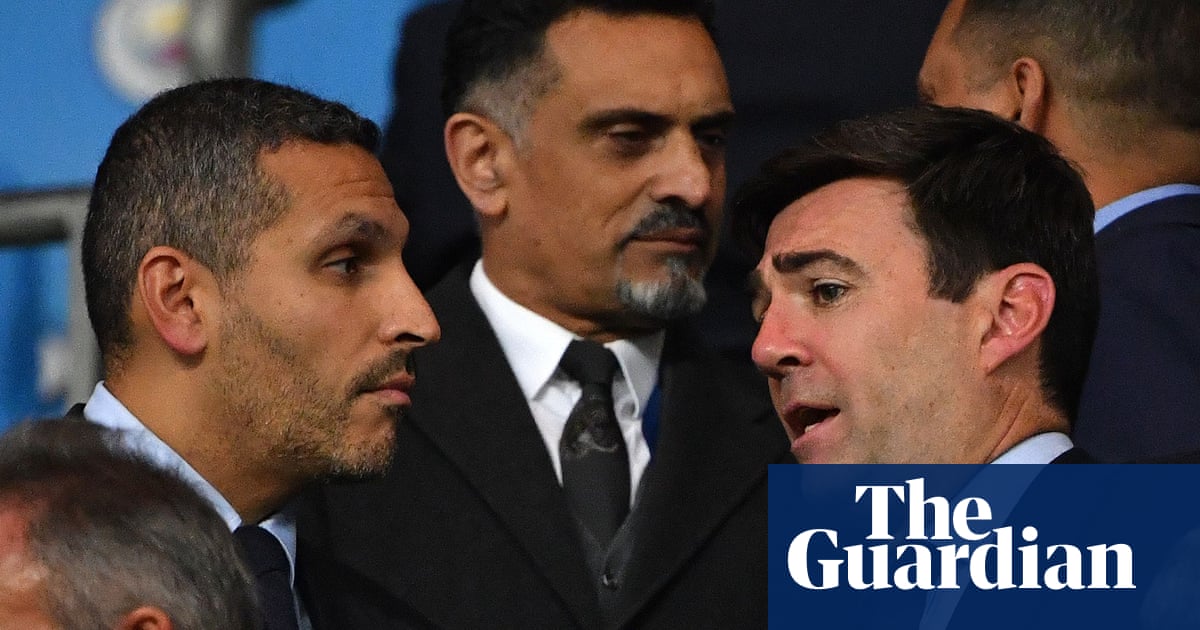
Greater Manchester councillors are investigating a £55m loan provided to companies controlled by Manchester City's owner, Sheikh Mansour, for the Manchester Life housing project. The loans were made while Andy Burnham was mayor, and scrutiny is intensifying due to the club's recent financial rule breaches and questions about the transparency of the lending process.
Imagine a city council had a special piggy bank to help build new houses. They gave a big chunk of money from this piggy bank to the rich owners of the Manchester City soccer team to build homes. Now, people are asking why they gave money to such a wealthy owner and if the rules for giving out the money were clear to everyone.
Analysis
£55m Loan
The Greater Manchester combined authority (GMCA), under the leadership of then-mayor Andy Burnham, provided a £55m loan in 2017 to three companies ultimately controlled by Sheikh Mansour bin Zayed al-Nahyan, the owner of Manchester City. This funding was part of a larger initiative, Manchester Life, aimed at developing approximately 6,000 new homes in the city. While the GMCA states these loans have been fully repaid and contributed billions to development without cost to the taxpayer, details regarding the interest rates and the rationale for lending to a family of immense wealth, who presumably have access to private capital, remain undisclosed.
Manchester Life
The Manchester Life project was presented as an "unprecedented" opportunity to significantly boost housing stock. The fund, established in 2015, has since disbursed £1bn to around 50 developers. However, the approval process for these loans has faced criticism for being "very opaque." Councillor John Leech, chair of the GMCA's overview and scrutiny committee, highlighted concerns that the process has not always made it clear why certain developers were successful over others. He questioned the necessity of public borrowing for entities that might easily secure private funding, suggesting the scheme's operation may deviate from its original stated aims.
Transparency and Scrutiny
This investigation gains further prominence in the context of recent scrutiny faced by Manchester City's owners following their breach of financial rules. Andy Burnham, who previously described the club's owners as a "huge partner" in Manchester's development, is now facing renewed questions. A meeting between Burnham and City's owners, which had disappeared from public records before resurfacing, has prompted the Prime Minister to request a "manual trawl" of the former mayor's meetings to ensure "full transparency." The GMCA has pledged to support the scrutiny committee's inquiries, emphasizing that loan decisions are made publicly and that viable schemes are not turned down.
Key points
- A £55m loan to Manchester City's owner for housing development is being investigated.
- The loan was made by the Greater Manchester combined authority while Andy Burnham was mayor.
- Concerns have been raised about the transparency of the loan approval process.
- The investigation follows scrutiny of Manchester City's financial rule breaches.
- The GMCA states the loans were repaid and contributed to development without taxpayer cost.
The investigation could lead to a more transparent and robust process for public-private partnerships in urban development. Clearer lending criteria and public accountability could foster greater trust and ensure that public funds are used effectively for community benefit.
The scrutiny could reveal significant procedural flaws or conflicts of interest, potentially damaging public trust in local government's economic development initiatives. It might also deter future investment if the process is perceived as overly bureaucratic or politically influenced.