Manchester United take £22m hit from sacking of Ruben Amorim
Manchester United cut losses overall, but Amorim’s dismissal cost up to £22m. Better results and harsher cost cuts lifted revenue and profit forecasts.
Intelligence analysis by GPT-5.4 Mini
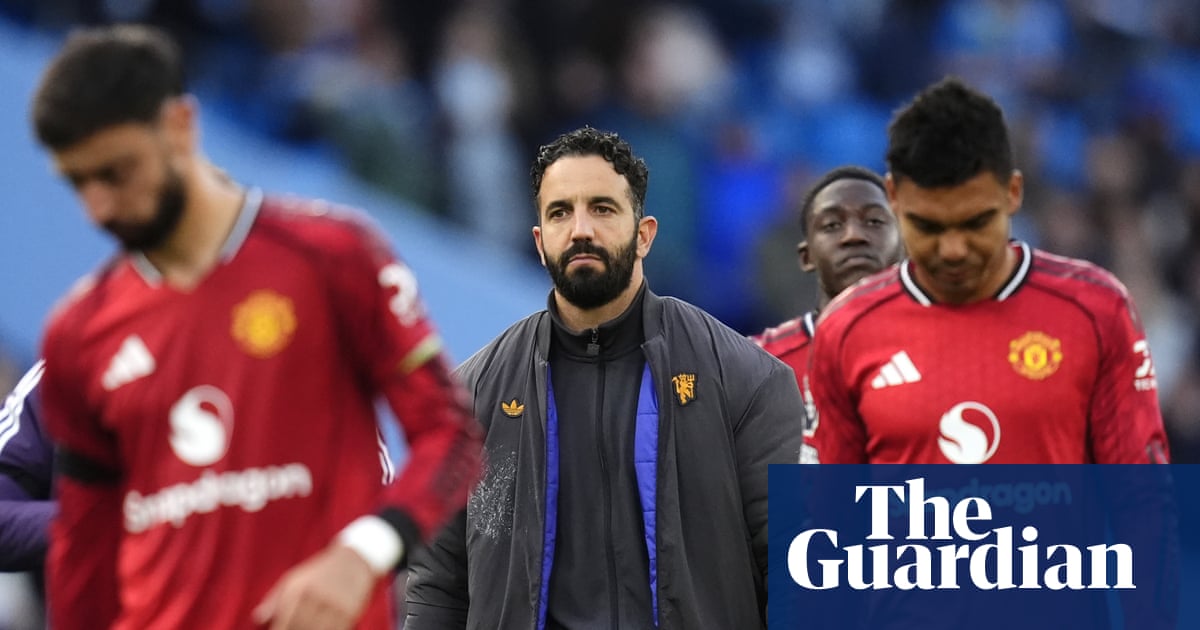
Manchester United’s latest accounts show how expensive managerial churn can be. A £22m hit from sacking Ruben Amorim was partly offset by stronger broadcast income, tighter spending, and improved on-pitch results under Michael Carrick.
Manchester United is like a giant shop that also has a football team. When the team does better, more people watch on TV and the shop gets more money.
But firing a manager can be very expensive. The club had to pay Ruben Amorim and his staff a lot of money to leave, like paying a big fine to end a contract early.
Even with that cost, the club saved money by cutting spending and got more income from TV games. So the money picture got better overall, but the manager firing still hurt a lot.
Analysis
Financial picture
Manchester United reported a mixed set of numbers for the first nine months of the financial year. Improved results on the pitch and aggressive cost cutting helped halve pre-tax losses to £18m, while operating profit rose to £37.7m from a £3.2m loss in the same period a year earlier.
The Amorim cost
The biggest drag was the decision to sack Ruben Amorim in January. The accounts say Amorim and his backroom staff received a payoff of up to £16.7m, and the club also booked a £5.2m non-cash charge for writing off contract costs. The Guardian says that left the club with a £22m hit from the dismissal. A football finance expert quoted by the paper said the cost of removing managers continues to weigh on the club.
Revenue and cuts
Revenue prospects improved because Champions League qualification under Michael Carrick lifted broadcast income 57% in the third quarter to nearly £65m, as more matches were selected for TV. United raised its full-year revenue forecast to £655m-£665m, up from £640m-£660m previously. Cost cutting also mattered: operating expenses fell £19m to £525m, even after the club spent about £260m on players in 2025-26. The article says the club has cut hundreds of staff, closed the staff canteen, and replaced free lunches with fruit.
What comes next
Despite the stronger trend, United still faces structural pressures. The club paid about £20m in debt interest in the period, including costs linked to the Glazer takeover. A new training kit deal with Betway is expected next season, and the paper says Champions League qualification could add about £80m more in income.
Key points
- Manchester United says sacking Ruben Amorim cost up to £22m in payoffs and contract write-offs.
- Stronger broadcast income and tighter spending helped halve pre-tax losses to £18m in the first nine months.
- Operating profit improved to £37.7m, helped by cost cuts and better on-pitch results under Michael Carrick.
- The club raised its full-year revenue forecast to £655m-£665m.
- United still faces heavy debt-interest costs and continues a broad cost-cutting drive.