Mandela's Legacy Honoured as Global Day of Service
South Africa and the world are marking Nelson Mandela International Day on July 18 by dedicating 67 minutes to community service, honouring the legacy of the nation's first democratically elected president.
Intelligence analysis by Gemini 2.5 Flash Lite
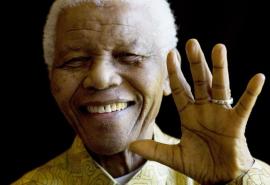
Nelson Mandela International Day is being observed globally with acts of service, commemorative events, and a renewed commitment to tackling poverty and inequality, reflecting Madiba's vision of justice and active citizenship.
Imagine Nelson Mandela was like a superhero who fought for fairness and helped people who didn't have much. Every year on his birthday, people around the world do something nice for their community for 67 minutes, like sharing food or cleaning up parks, to remember him and help make the world a better place for everyone.
Analysis
A Global Call to Action
Nelson Mandela International Day, observed annually on July 18, transcends a mere commemoration; it serves as a global call to action, urging individuals and communities worldwide to dedicate time to service and to carry forward Madiba's vision of a more just, equal, and peaceful world. The tradition of dedicating 67 minutes—one minute for each year of Mandela's public service—to acts of community service is being observed across South Africa and internationally. These acts range from food donation drives and clean-up campaigns to tree-planting and volunteer projects, embodying the spirit of active citizenship that Mandela championed.
Addressing Systemic Inequality
Beyond individual acts of kindness, the day serves as a crucial reminder of the deeper, systemic issues Nelson Mandela fought against: poverty, inequality, and injustice. President Cyril Ramaphosa emphasized that Mandela viewed poverty eradication not as charity but as an act of justice, underscoring the need for collective action to address the root causes of inequality. This perspective calls for a recommitment to policies and initiatives that dismantle these deep-seated societal problems, both domestically and on a global scale. The article notes South Africa's efforts to work with international partners on an International Panel on Inequality to monitor and address global disparities, signaling a recognition that such challenges require international cooperation.
Building a More Just Society
The spirit of Mandela Day extends to building stronger institutions and fostering a more inclusive society. President Ramaphosa's call for South Africans to renew their commitment to tackling poverty and inequality highlights the ongoing struggle for a better country and world. This involves not only government investment in education, healthcare, and social protection but also creating an environment conducive to investment, job creation, and economic growth. The message, echoing Mandela's own words, "it is now in your hands," empowers citizens to be active participants in shaping a more equitable future, ensuring that acts of service contribute meaningfully to societal progress and the realization of Mandela's ideals.
Key points
- Nelson Mandela International Day is observed globally on July 18 to honour the legacy of Nelson Mandela through acts of community service.
- The tradition involves dedicating 67 minutes to volunteer work, such as food drives, clean-ups, and tree planting.
- President Ramaphosa stressed that poverty eradication is an act of justice, calling for collective action against inequality.
- Initiatives like the Unserved Communities Access Acceleration Programme and the Nelson Mandela Global Leadership Forum aim to address systemic issues.
- The day encourages a renewed commitment to building a more just, equitable, and inclusive society, both domestically and internationally.
The global observance of Mandela Day can foster a renewed sense of collective responsibility and inspire sustained efforts to combat poverty and inequality. By encouraging acts of service and dialogue, it can strengthen community bonds and push for policy changes that advance social justice and economic equity worldwide.
There's a risk that the day's impact remains superficial, with acts of service becoming a token gesture rather than leading to meaningful, systemic change. Without sustained commitment to addressing the root causes of poverty and inequality, the legacy of Mandela Day could fade into annual ritual without achieving its transformative goals.