Marco Rubio launches sweeping campaign to 'dismantle' ICC 'threat to US sovereignty'
US Secretary of State Marco Rubio has launched a campaign to undermine the International Criminal Court, claiming it poses a threat to US sovereignty. Rubio vowed to 'dismantle' the court, which he says targets American servicemen and officials.
Intelligence analysis by Llama
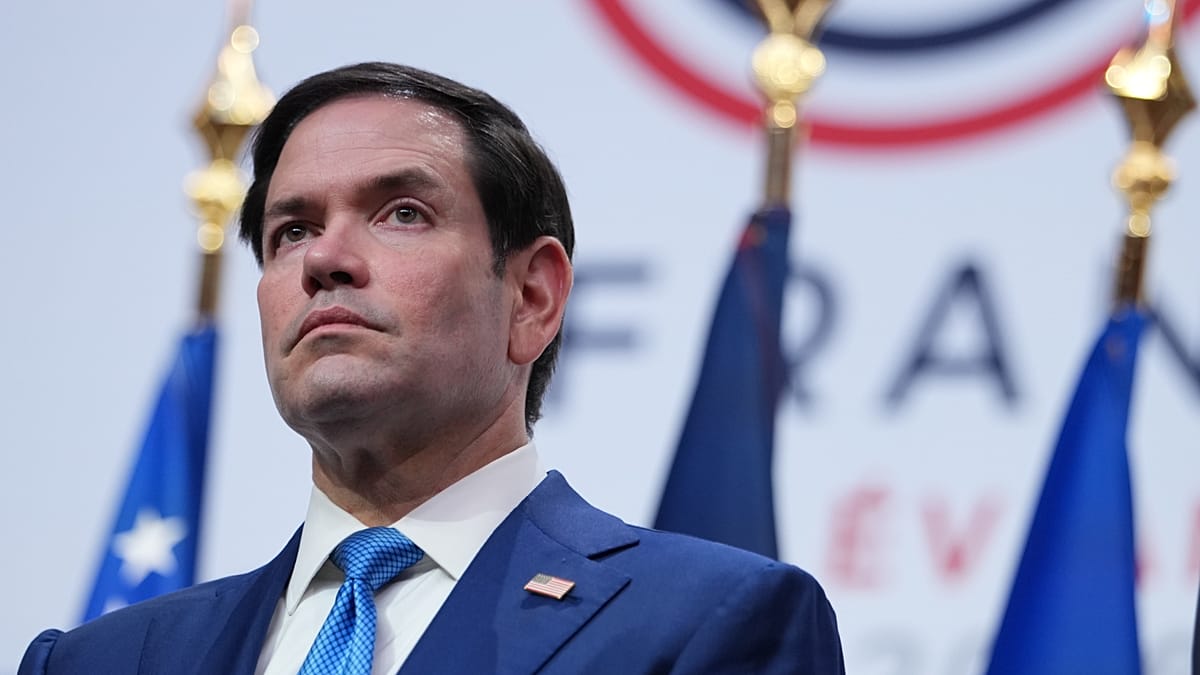
US Secretary of State Marco Rubio has launched a campaign to undermine the International Criminal Court, claiming it poses a threat to US sovereignty. Rubio's campaign includes further sanctions and other measures to isolate the court.
The US Secretary of State, Marco Rubio, is trying to stop the International Criminal Court from working. He says the court is a threat to the US's power and that it targets American soldiers and officials. However, the court only investigates crimes committed in countries that have agreed to its rules, and the US has not joined the court. Rubio's actions may undermine the court's ability to investigate and prosecute war crimes and crimes against humanity, which could have far-reaching consequences for global justice.
Analysis
A Threat to US Sovereignty?
US Secretary of State Marco Rubio has launched a sweeping campaign to undermine the International Criminal Court (ICC), claiming it poses an intolerable threat to US sovereignty. In a video posted on X and a lengthy op-ed in the Wall Street Journal, Rubio vowed to 'dismantle' the court, which he says targets American servicemen and officials. The ICC, established in 2002, has jurisdiction to investigate crimes committed in states that are party to the Rome statute. However, the US has not ratified the treaty, and the court has never opened investigations into crimes committed on American soil. Rubio's campaign marks a sharp escalation in ongoing US efforts to isolate the Hague-based institution. The US has previously targeted individual court officials it deems a threat to US interests, but the new 'whole of government' campaign will pressure other nations to withdraw from the ICC and cut off any financial support to the court. The announcement immediately drew condemnation from international legal experts, who argue that Rubio is dressing up his quest for impunity for American war crimes abroad under the label of national sovereignty. Kenneth Roth, the former executive director of Human Rights Watch, wrote on X that the Trump administration wants to 'to be able to commit war crimes with impunity even on the territory of governments that have joined the International Criminal Court'. The ICC's president has vowed to resist US and Russian pressure despite sanctions and threats. The US campaign to undermine the ICC has significant implications for international law and global governance. It also raises concerns about the US's commitment to upholding human rights and the rule of law. The ICC's role in holding individuals accountable for war crimes and crimes against humanity is essential to maintaining international peace and security. The US's actions may undermine the court's ability to investigate and prosecute these crimes, which could have far-reaching consequences for global justice.
Key points
- US Secretary of State Marco Rubio has launched a campaign to undermine the International Criminal Court.
- Rubio claims the court poses a threat to US sovereignty and targets American servicemen and officials.
- The US has not ratified the Rome statute, and the court has never opened investigations into crimes committed on American soil.
- The US campaign includes further sanctions and other measures to isolate the court.
- International legal experts have condemned the US campaign, arguing it undermines the rule of law and global justice.
If the US campaign to undermine the ICC is successful, it could lead to a decrease in international cooperation and a rise in global tensions. However, it's also possible that the ICC's president and other international leaders will find ways to resist US pressure and continue to uphold the court's role in promoting global justice.
The US campaign to undermine the ICC could lead to a decline in the court's ability to investigate and prosecute war crimes and crimes against humanity. This could have far-reaching consequences for global justice and may undermine the rule of law. The ICC's president and other international leaders may struggle to resist US pressure and continue to uphold the court's role in promoting global justice.
