Markets pivot to September Fed rate hike: Five things to know in Bitcoin this week
Bitcoin faces significant resistance below $86,000 as markets increasingly anticipate a Federal Reserve interest rate hike in September, driven by hawkish sentiment post-Jackson Hole and upcoming jobs data.
Intelligence analysis by Gemini 2.5 Flash
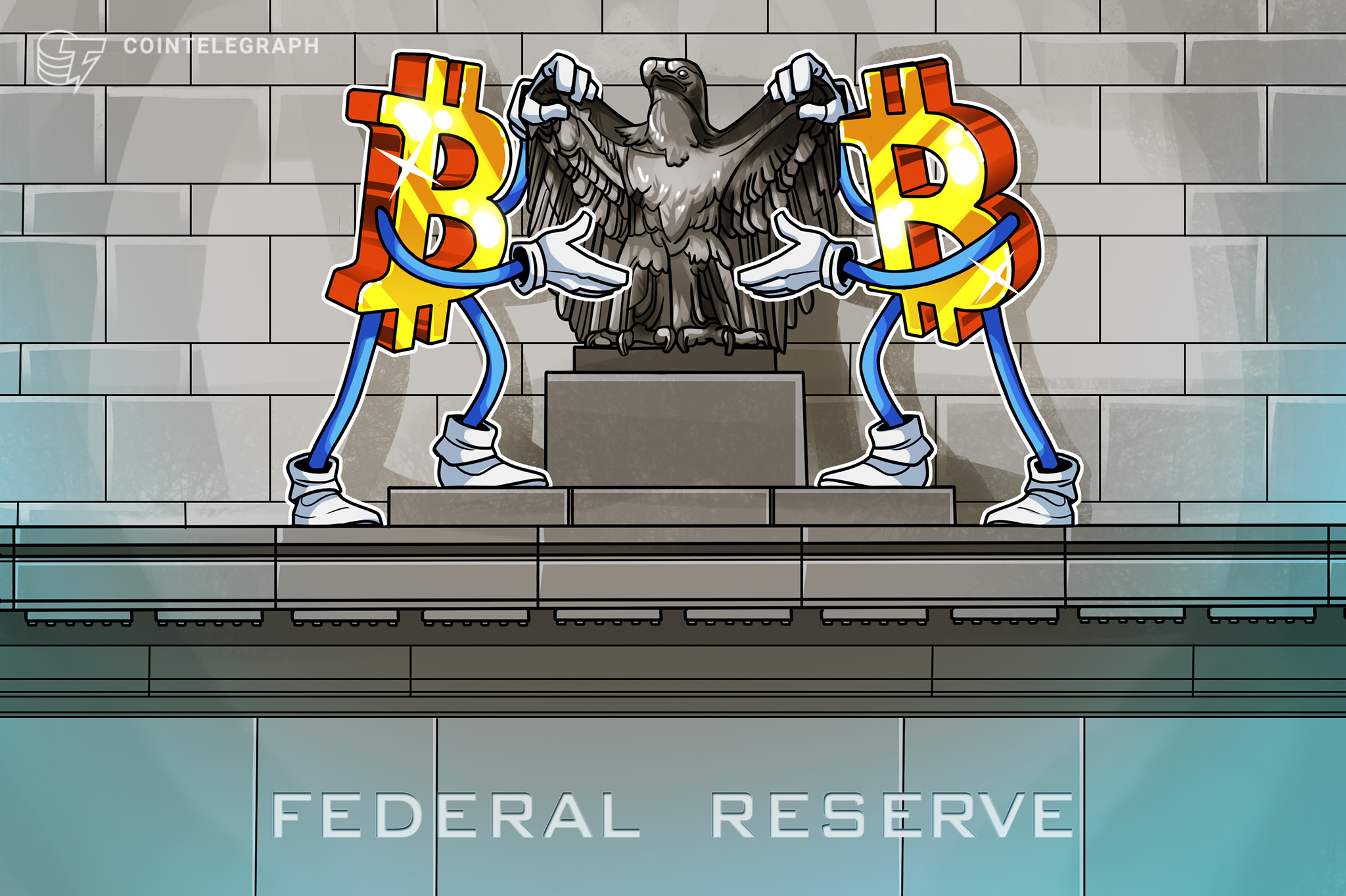
Markets are now pricing in a nearly 60% chance of a September Fed rate hike, influenced by recent comments from Fed Chair Kevin Warsh and upcoming US employment figures. This hawkish shift, coupled with geopolitical tensions impacting oil prices and Bitcoin's struggle to reclaim key moving averages, creates a complex macro environment for the cryptocurrency.
Imagine Bitcoin is trying to climb a big hill, but there's a strong wind pushing it back. This wind is like the grown-ups who decide how much money costs to borrow, called the Federal Reserve. They might make borrowing money more expensive soon because they think prices are going up too fast. This makes people less excited to buy risky things like Bitcoin. Also, big news about oil and jobs can make the wind stronger or weaker, making Bitcoin's climb even harder.
Analysis
The cryptocurrency market, particularly Bitcoin, is navigating a challenging macro landscape as the August monthly close approached below critical resistance levels. A significant factor is the renewed hawkish sentiment surrounding the Federal Reserve's monetary policy, with markets now assigning a high probability to a September interest rate hike.
Kevin Warsh
Federal Reserve Chair Kevin Warsh's recent remarks at the Jackson Hole economic symposium have significantly influenced market expectations. Warsh, known for his tight-lipped approach, indicated that current inflation data remains too high, despite some lower-than-expected readings for the Consumer Price Index (CPI) and Personal Consumption Expenditures (PCE) index in July. He expressed skepticism that underlying inflationary trends have meaningfully improved, suggesting a cautious stance on policy easing.
This perspective has led to a notable shift in market probabilities for a rate hike. Data from CME Group’s FedWatch Tool shows that the odds of a 0.25% hike at the September FOMC meeting have climbed to just under 60%, a substantial increase from 41.4% the previous week. This re-evaluation of Fed policy directly impacts risk assets, as higher interest rates typically reduce the attractiveness of non-yielding assets like Bitcoin.
August nonfarm payrolls
The upcoming week's release of US employment data is poised to be a critical determinant for the Federal Reserve's September rate decision. Key figures include the August nonfarm payrolls data, which is expected to show the economy added 50,000 jobs last month, a rebound from a loss of 23,000 in June. These numbers, along with private-sector employment data and initial jobless claims, will provide the final labor market insights before the Fed's meeting.
However, concerns about the true strength of the labor market persist. Trading resource The Kobeissi Letter highlighted significant downward revisions to employment numbers, noting that 79,000 jobs were removed in the 12 months through March this year. This marks the fourth consecutive annual downward adjustment, a streak last seen after the 2008 Financial Crisis, suggesting the labor market may be weaker than initially reported. Such weakness could potentially temper the Fed's hawkish stance, creating a nuanced outlook for policy tightening.
Kharg Island
Geopolitical events are adding another layer of volatility to the global macro environment, with significant implications for commodity markets. Renewed US strikes on Iran, particularly implied threats against Iran's Kharg Island oil hub by former US president Donald Trump, have sent Brent crude oil prices back above $90 per barrel and US WTI crude above $85 per barrel. This escalation underscores the fragility of global oil supply chains and the potential for price spikes.
These developments in the oil market have broader economic repercussions, contributing to inflationary pressures and impacting investor sentiment across various asset classes. European stocks, for instance, experienced pressure, with Germany’s DAX index declining. The article also noted a major energy deal granting the US significant control over Venezuela’s oil reserves, described by Trump as the “biggest oil deal in history,” further highlighting the strategic importance and volatility of global energy markets in the current climate.
Key points
- Markets are pricing in a nearly 60% chance of a 0.25% Federal Reserve interest rate hike in September.
- Fed Chair Kevin Warsh indicated inflation remains too high despite recent lower CPI and PCE readings.
- Upcoming US employment data, including August nonfarm payrolls, will be crucial for the Fed's decision.
- Downward revisions to US employment numbers suggest the labor market may be weaker than initially reported.
- Renewed US strikes on Iran have caused Brent crude oil to rise above $90 per barrel, impacting global markets.
- Bitcoin is battling key resistance below $86,000 and struggling to reclaim its 50-week simple moving average.
Should upcoming labor market data reveal significant weakness, it could temper the Federal Reserve's hawkish stance, potentially leading them to reconsider a September rate hike. This scenario might alleviate some pressure on Bitcoin and other risk assets, allowing for a potential rebound as market participants price in a less aggressive monetary policy.
A confirmed Federal Reserve rate hike in September, coupled with persistent geopolitical tensions driving oil prices higher, could create a challenging environment for Bitcoin. Such a scenario would likely increase the cost of capital, reduce liquidity, and dampen investor confidence in risk assets, potentially leading to further price declines for BTC.