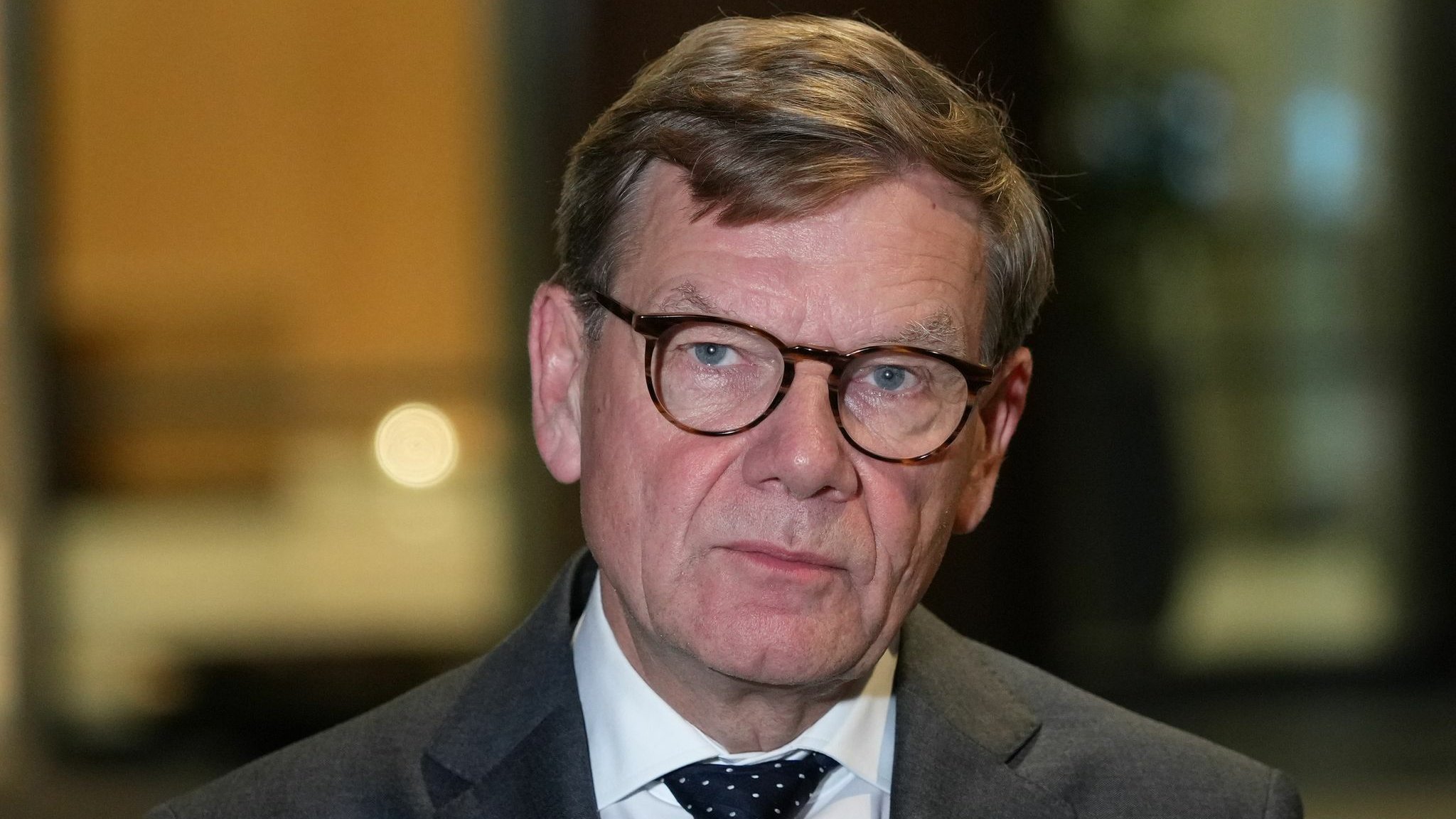
Mecklenburg-Vorpommern's Environment Minister Backs Away from Earlier Support for Whale Rescue Initiative
Mecklenburg-Vorpommern's Environment Minister Till Backhaus has expressed regret over his earlier decision to support a private initiative to rescue a stranded whale. The initiative, which involved transporting the whale to the North Sea, was criticized for lacking transp…
Intelligence analysis by Llama
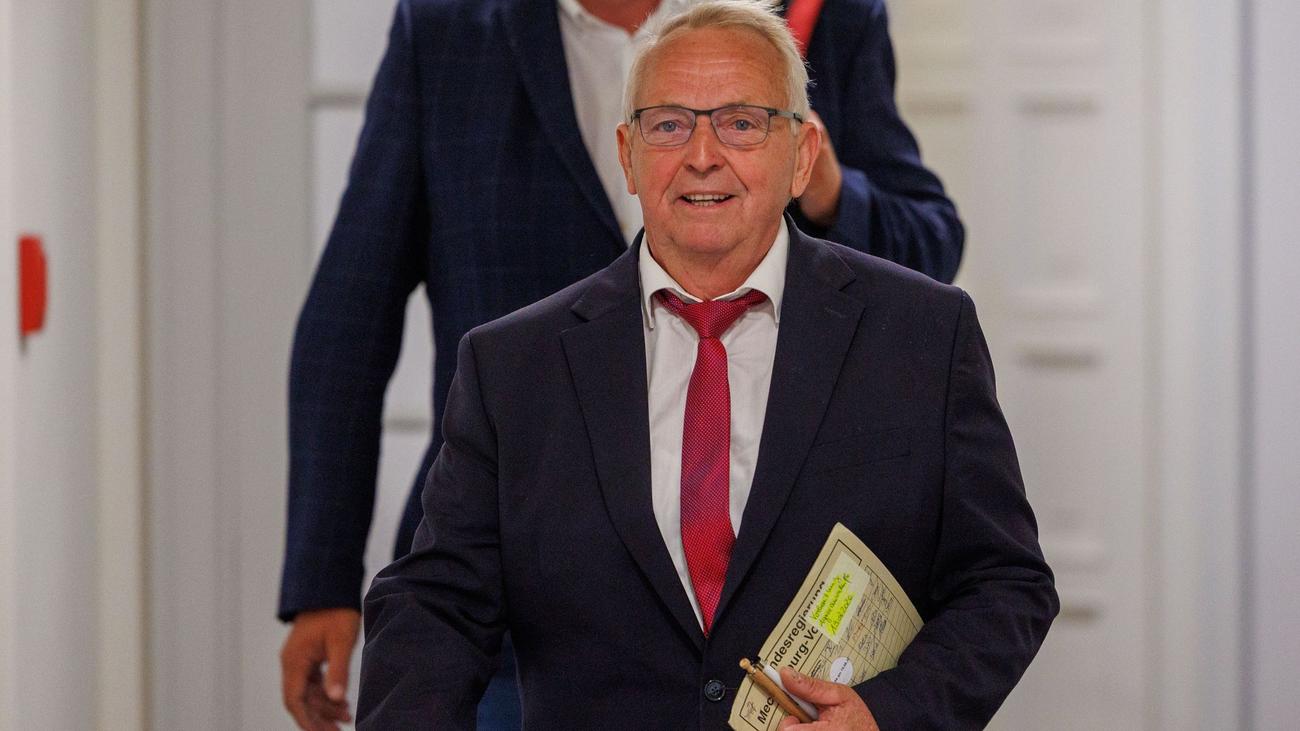
Mecklenburg-Vorpommern's Environment Minister Till Backhaus has expressed regret over his earlier decision to support a private initiative to rescue a stranded whale. The initiative was criticized for lacking transparency and failing to meet agreed-upon documentation requirements.
Imagine you're trying to help a whale that's stuck on the beach. You want to make sure you're doing it in a way that's safe and fair for both the whale and the people helping it. That's what Mecklenburg-Vorpommern's Environment Minister Till Backhaus is saying he would do differently next time. He's regretting his earlier decision to support a private initiative to rescue the whale because it didn't follow the rules and was transparent about what it was doing.
Analysis
Backhaus's Regret: A Critical Reevaluation of the Whale Rescue Initiative
Mecklenburg-Vorpommern's Environment Minister Till Backhaus has expressed regret over his earlier decision to support a private initiative to rescue a stranded whale. The initiative, which involved transporting the whale to the North Sea, was criticized for lacking transparency and failing to meet agreed-upon documentation requirements. Backhaus's change of heart is a significant development, as it highlights the complexities and challenges involved in wildlife conservation efforts, particularly when private initiatives are involved.
The whale rescue initiative was a high-profile effort that garnered significant attention and public interest. However, the initiative's lack of transparency and failure to meet agreed-upon documentation requirements have raised concerns about the effectiveness and accountability of such efforts. Backhaus's regret over his earlier decision is a recognition of these concerns and a commitment to doing better in the future.
The Importance of Transparency in Wildlife Conservation
Transparency is a critical component of effective wildlife conservation efforts. When private initiatives are involved, it is essential to ensure that they are transparent and accountable in their actions and decisions. The lack of transparency in the whale rescue initiative has raised concerns about the effectiveness and accountability of such efforts. Backhaus's regret over his earlier decision is a recognition of these concerns and a commitment to doing better in the future.
The Future of Wildlife Conservation in Mecklenburg-Vorpommern
The story of the whale rescue initiative and Backhaus's regret over his earlier decision highlights the complexities and challenges involved in wildlife conservation efforts in Mecklenburg-Vorpommern. As the region continues to grapple with the challenges of wildlife conservation, it is essential to prioritize transparency, accountability, and effective decision-making. By doing so, the region can ensure that its wildlife conservation efforts are effective, sustainable, and beneficial to both humans and animals.
Key points
- Mecklenburg-Vorpommern's Environment Minister Till Backhaus has expressed regret over his earlier decision to support a private initiative to rescue a stranded whale.
- The initiative was criticized for lacking transparency and failing to meet agreed-upon documentation requirements.
- Backhaus's change of heart highlights the complexities and challenges involved in wildlife conservation efforts, particularly when private initiatives are involved.
- Transparency is a critical component of effective wildlife conservation efforts.
- Mecklenburg-Vorpommern's Environment Minister Till Backhaus has committed to doing better in the future and prioritizing transparency and accountability in wildlife conservation efforts.
If Mecklenburg-Vorpommern's Environment Minister Till Backhaus can learn from his mistakes and prioritize transparency and accountability in wildlife conservation efforts, it could lead to more effective and sustainable conservation outcomes. This could also set a positive example for other regions and countries to follow.
If Mecklenburg-Vorpommern's Environment Minister Till Backhaus fails to prioritize transparency and accountability in wildlife conservation efforts, it could lead to further mistrust and skepticism among the public. This could also undermine the effectiveness of conservation efforts and lead to negative consequences for both humans and animals.