Meet Dai Zheng, the space veteran betting on China’s reusable rocket revolution
Dai Zheng, a former state engineer, left his secure post to join LandSpace, a private start-up. His gamble paid off when a rocket booster returned from orbit and landed upright for the first time in Chinese commercial space history.
Intelligence analysis by Llama
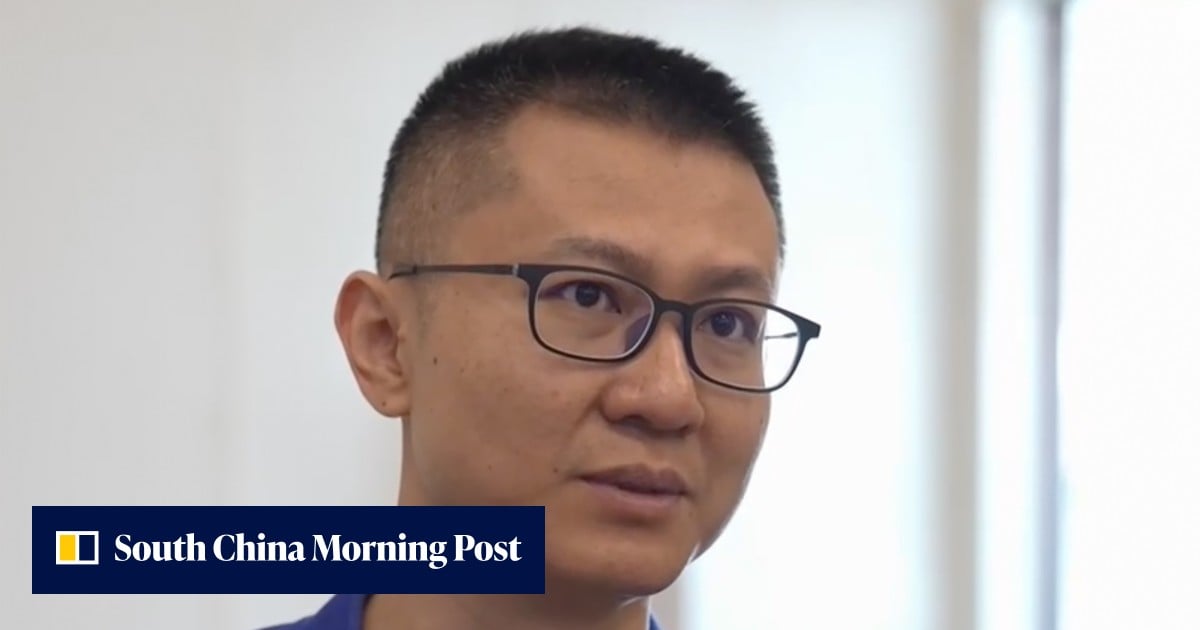
Dai Zheng, a space veteran, has made a career-defining gamble by joining LandSpace, a private start-up. His risk paid off when a rocket booster returned from orbit and landed upright for the first time in Chinese commercial space history.
Dai Zheng is a space veteran who made a big gamble by leaving his secure job to join a private company called LandSpace. His gamble paid off when a rocket booster returned from space and landed safely, which is a big deal for China's space program.
Analysis
Dai Zheng's Career-Defining Gamble
Dai Zheng, a 42-year-old space veteran, made a career-defining gamble when he left his secure post at the China Academy of Launch Vehicle Technology (CALT) to join LandSpace, a private start-up. He stepped down from his senior post in rocket research and development to serve as deputy general manager at the then one-year-old start-up. This move meant turning his back on a secure path at CALT, where he had worked since 2009 after earning a master's degree in engineering mechanics from Tsinghua University.
Dai's decision to leave the state system was not taken lightly. He recalled crying the night before resigning as he laid his awards across his bed. "I entered the state aerospace sector straight after graduation and never thought I would leave," Dai told state broadcaster CCTV in an interview late last year.
The Significance of Reusability
Dai's gamble paid off when a rocket booster returned from orbit and landed upright for the first time in Chinese commercial space history. This successful touchdown marked both a major personal milestone and a critical leap forward in China's drive to develop reusable launch vehicles. The landing followed an intense eight-month recovery effort after a crash during a failed attempt in December.
More broadly, it vindicated Dai's decade-long belief that reusability – recycling parts of a rocket so it can fly again – is essential to cutting launch costs and supporting Beijing's ambitions for massive satellite constellations. Reusability has the potential to revolutionize the space industry by reducing the cost of launching satellites and making space travel more accessible.
Implications for China's Space Program
Dai's successful gamble has significant implications for China's drive to develop reusable launch vehicles. The successful touchdown of the rocket booster has validated Dai's decade-long belief in the importance of reusability. This achievement has the potential to revolutionize the space industry by reducing the cost of launching satellites and making space travel more accessible.
The successful landing of the rocket booster has also marked a major milestone in China's space program. It has demonstrated the country's capabilities in developing reusable launch vehicles and has paved the way for further advancements in the space industry.
Key points
- Dai Zheng, a former state engineer, left his secure post to join LandSpace, a private start-up.
- His gamble paid off when a rocket booster returned from orbit and landed upright for the first time in Chinese commercial space history.
- The successful touchdown marked a major personal milestone and a critical leap forward in China's drive to develop reusable launch vehicles.
- Reusability has the potential to revolutionize the space industry by reducing the cost of launching satellites and making space travel more accessible.
If this development continues, it could lead to a significant reduction in the cost of launching satellites, making space travel more accessible and paving the way for further advancements in the space industry.
However, there are still significant challenges to overcome, including the need for further testing and validation of the reusable launch vehicle technology.