Meet the startup helping Wall Street put a price on AI compute
Silicon Data, a startup, has closed a $30 million Series A to help Wall Street put a price on AI compute. The company aims to become the reference price for GPU rental and an index that a Wall Street futures contract would settle against.
Intelligence analysis by Llama
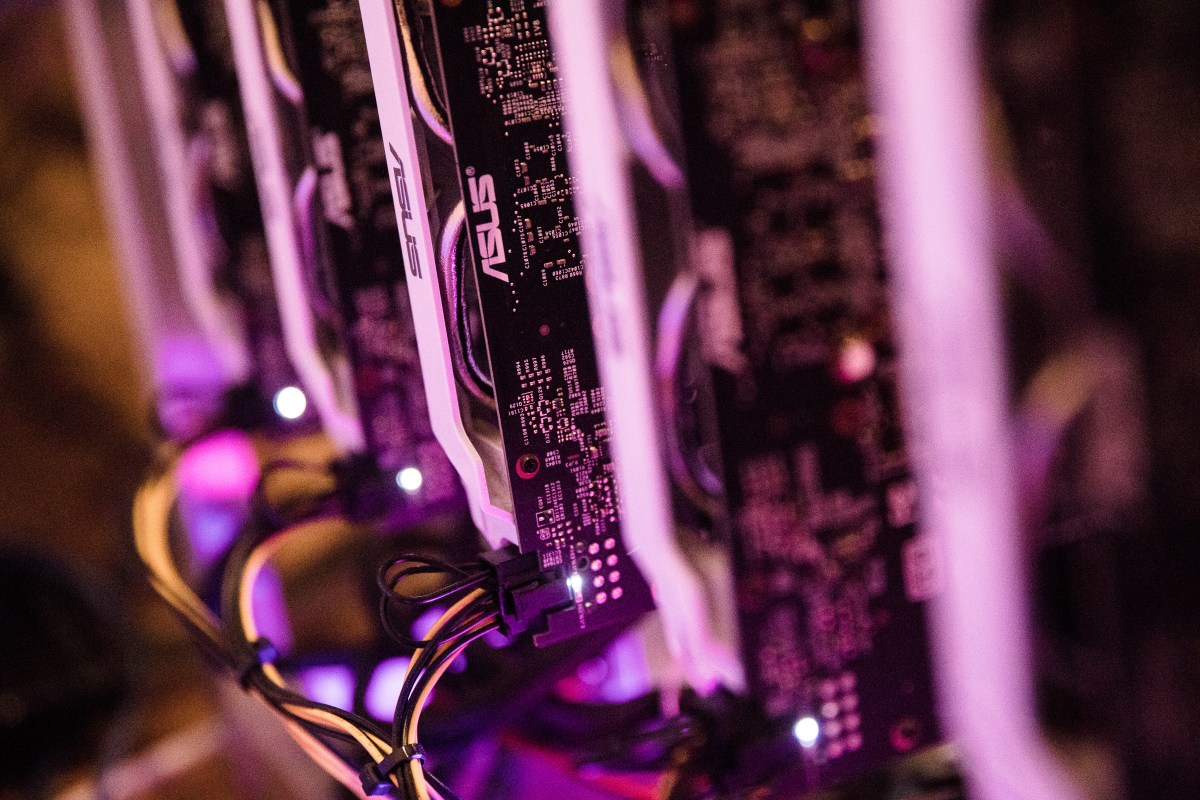
Silicon Data is a startup that aims to help Wall Street put a price on AI compute by becoming the reference price for GPU rental and an index that a Wall Street futures contract would settle against. The company has closed a $30 million Series A and plans to launch its compute futures trading on the CME on October 5th, pending regulatory approval.
Imagine you're building a really powerful computer to play games or do cool things with AI. But the problem is, it's really hard to figure out how much it's going to cost to build and run that computer. That's where Silicon Data comes in - they're trying to create a way to put a price on how much it costs to use a powerful computer, so that people can make informed decisions about how to build and run their computers.
Analysis
The AI Buildout: A Booming Industry with Uncertain Costs
The AI buildout shows no signs of slowing, with hundreds of billions of dollars a year going into data centers and GPUs. However, for all that spending, there still isn't a straightforward way to put a price on compute. This is where Silicon Data comes in, a startup that aims to become the reference price for GPU rental and an index that a Wall Street futures contract would settle against.
Silicon Data's solution is crucial for firms building AI products, as it allows them to hedge their exposure when the price changes. This is particularly important in an industry where costs can fluctuate wildly. By providing a reference point for firms to make informed decisions, Silicon Data's solution could help stabilize the market and provide a much-needed sense of clarity.
The Regulatory Landscape: A Complex Web of Rules and Regulations
The regulatory landscape surrounding AI is complex and ever-changing. With new laws and regulations being introduced all the time, it can be difficult for firms to keep up. However, Silicon Data's solution is not just about navigating the regulatory landscape, but also about providing a clear and transparent way for firms to understand their exposure to compute costs.
The Future of AI: A Bright but Uncertain Horizon
The future of AI is bright, but uncertain. With new breakthroughs and innovations being made all the time, it's hard to predict what the future holds. However, one thing is certain: the need for a clear and transparent way to put a price on compute will only continue to grow. Silicon Data's solution is a crucial step towards meeting this need, and providing a much-needed sense of clarity in an industry that is rapidly evolving.
Key points
- Silicon Data aims to become the reference price for GPU rental and an index that a Wall Street futures contract would settle against.
- The company has closed a $30 million Series A and plans to launch its compute futures trading on the CME on October 5th, pending regulatory approval.
- Silicon Data's solution could help stabilize the market and provide a much-needed sense of clarity for firms building AI products.
- The company's solution is crucial for firms building AI products, as it allows them to hedge their exposure when the price changes.
If Silicon Data's solution is successful, it could help stabilize the market and provide a much-needed sense of clarity for firms building AI products. This could lead to increased investment in the industry, as firms feel more confident in their ability to manage compute costs. Additionally, Silicon Data's solution could help to reduce the risk of compute costs, making it easier for firms to plan and budget for their AI projects.
However, there are also risks associated with Silicon Data's solution. For example, if the company is unable to provide a clear and transparent way to put a price on compute, it could lead to confusion and uncertainty in the market. Additionally, if Silicon Data's solution is seen as too expensive or too complex, it could lead to a backlash from firms that are already struggling to manage their compute costs.


