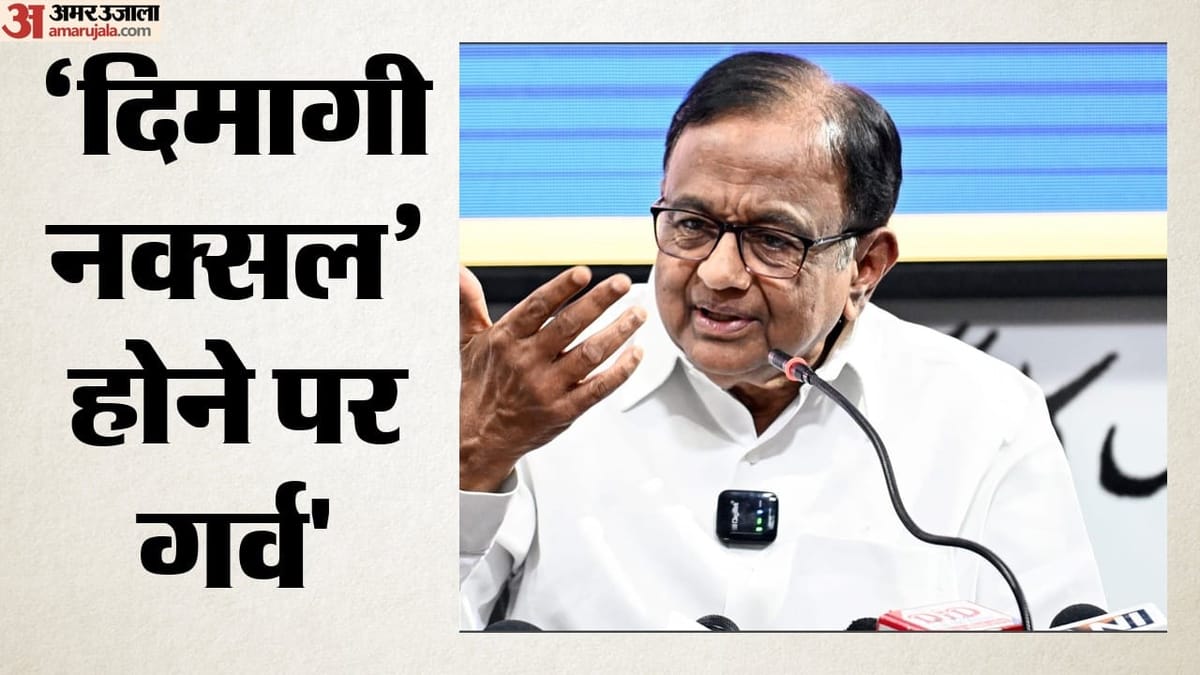
Mehbooba Mufti & Kiren Rijiju Controversy | Article 370 Brain Naxal Statement
PDP chief Mehbooba Mufti has responded to Prime Minister Narendra Modi's 'brain naxal' comment, saying she also supports Article 370 and is a brain naxal. Kiren Rijiju, a central minister, has clarified that Modi did not call opposition leaders brain naxals.
Intelligence analysis by Llama
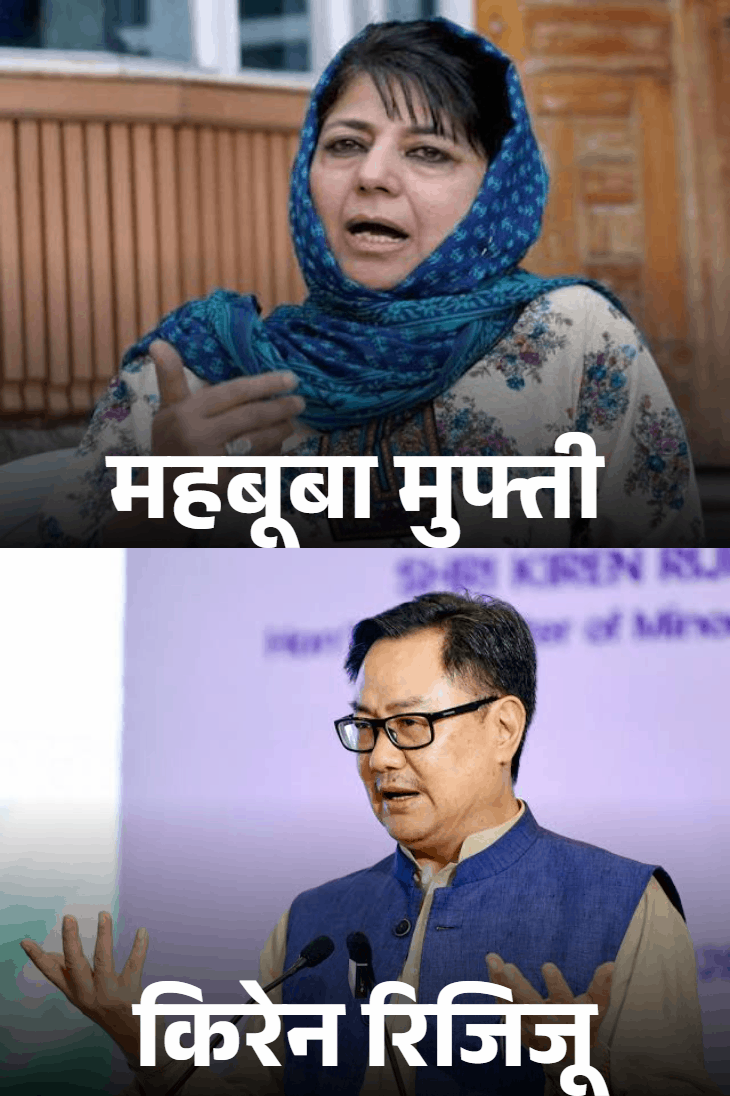
Mehbooba Mufti has responded to Prime Minister Narendra Modi's 'brain naxal' comment, saying she also supports Article 370 and is a brain naxal. Kiren Rijiju, a central minister, has clarified that Modi did not call opposition leaders brain naxals.
Imagine you're playing a game where you have to make choices that affect the whole team. If you make choices that are good for the team, you're a good player. But if you make choices that are bad for the team, you're a bad player. Brain naxals are like players who make choices that are bad for the team, but they're not necessarily bad people. They just have different opinions and values. Mehbooba Mufti and Kiren Rijiju are like two players who have different opinions on what's good for the team, and they're having a debate about it.
Analysis
Background
Mehbooba Mufti, the chief of the People's Democratic Party (PDP), has been a vocal supporter of Article 370, which grants special status to Jammu and Kashmir. She has been a key figure in the state's politics and has been a strong advocate for the rights of the people of Jammu and Kashmir.
What Changed
In a recent speech, Prime Minister Narendra Modi referred to opposition leaders as 'brain naxals', sparking a controversy. Mehbooba Mufti has responded to the comment, saying she also supports Article 370 and is a brain naxal. This has led to a debate on the definition of brain naxals and their role in Indian politics.
What's Next
The controversy surrounding Modi's comment has sparked a debate on the definition of brain naxals and their role in Indian politics. Mehbooba Mufti's response has added fuel to the fire, with many questioning the government's intentions and the implications of the comment. The debate is likely to continue, with many calling for clarity on the definition of brain naxals and their role in Indian politics.
Key points
- Mehbooba Mufti has responded to Prime Minister Narendra Modi's 'brain naxal' comment, saying she also supports Article 370 and is a brain naxal.
- Kiren Rijiju, a central minister, has clarified that Modi did not call opposition leaders brain naxals.
- The controversy surrounding Modi's comment has sparked a debate on the definition of brain naxals and their role in Indian politics.
The debate surrounding Modi's comment has sparked a discussion on the definition of brain naxals and their role in Indian politics. This could lead to a more nuanced understanding of the issue and a more inclusive approach to politics.
The controversy surrounding Modi's comment has the potential to create divisions and further polarize the political landscape. This could lead to a more toxic and divisive environment, making it harder for people to work together and find common ground.