Mehdi Khanki, a protester from the December 2023/January 2024 unrest, executed
Iran's judiciary announced the execution of Mehdi Khanki, accused of operational actions for Israel and the US, and possessing illegal weapons. His sentence was upheld by the Supreme Court.
Intelligence analysis by Gemini 2.5 Flash Lite
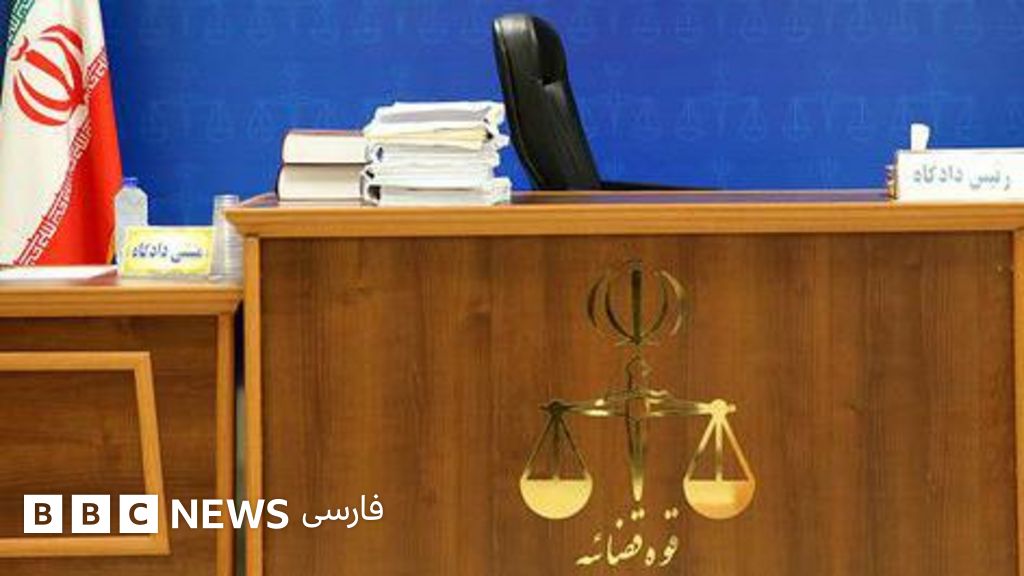
Iran's judiciary has executed Mehdi Khanki, a protester from the December 2023/January 2024 unrest, on charges of acting for Israel and the US and possessing weapons. This execution, carried out under a new law criminalizing espionage and cooperation with hostile states, has drawn criticism from human rights groups.
Imagine someone is accused of helping enemies and having dangerous toys. Iran's government has a new rule that says if you do this, you get the harshest punishment, even death. They recently used this rule to punish a protester named Mehdi Khanki, which worries many people who think the rules aren't fair and the punishment is too severe.
Analysis
A New Law, A Swift Execution
The execution of Mehdi Khanki follows the recent enactment of Iran's "Law on Intensifying Punishments for Espionage and Cooperation with the Zionist Regime and Hostile Countries." This law, passed shortly before the escalation of regional tensions, mandates the death penalty and asset confiscation for any "intelligence activity, espionage, or operational action" on behalf of "hostile governments and groups." The judiciary claims Khanki was convicted of such actions, including manufacturing and possessing explosive devices and firearms, and acting in favor of Israel and the United States. The speed with which his case progressed from trial to execution, with the Supreme Court upholding the sentence, underscores the government's commitment to swiftly applying this new legislation.
Concerns Over Due Process and Fair Trial
Human rights organizations and legal experts have voiced significant concerns regarding the application of this new law and the broader trend of executions in Iran. Critics argue that the law itself potentially violates constitutional principles and fair trial standards. The case of Mehdi Khanki, like several other recent executions, lacks transparency regarding the specifics of the charges, the evidence presented, and the defense's arguments. The judiciary's report from the Mizan news agency, while detailing the alleged weapons and actions, does not name the opposition group Khanki was accused of collaborating with, nor does it provide details about his defense or legal representation. This opacity fuels doubts about whether Khanki received a fair trial, including adequate access to legal counsel.
A Tool for Repression Amidst Regional Tensions
The execution of Khanki and others is occurring within a broader context of heightened regional tensions and increased use of the death penalty by the Iranian government. The report explicitly links the judiciary's actions to the directives of Iran's Supreme Leader and the judiciary chief, urging swift processing of cases involving detainees from the December protests and those arrested since the recent conflict began. Maya Sato, the UN Special Rapporteur on the situation of human rights in Iran, has stated that Iran uses capital punishment as a tool to instill fear and suppress dissent, noting an unprecedented rise in executions, particularly accelerated since the recent conflict. This suggests that the judiciary is leveraging the charged geopolitical atmosphere to expedite sentences and potentially deter further internal opposition.
Key points
- Mehdi Khanki, a protester from the December 2023/January 2024 unrest, has been executed in Iran.
- He was convicted of operational actions for Israel and the US, and possessing illegal weapons.
- The execution was carried out under a new law imposing severe penalties for espionage and cooperation with hostile states.
- Human rights groups and legal experts express serious concerns about due process and fair trials in such cases.
- The execution is seen as part of a broader trend of increased capital punishment use by Iran amid regional tensions.
If the Iranian judiciary were to genuinely adhere to international standards of due process and fair trial, future cases might see greater transparency and robust legal defense, potentially leading to more just outcomes. A shift towards rehabilitation over capital punishment for protest-related offenses could also foster greater societal stability.
The current trajectory suggests a continued reliance on the death penalty as a tool for suppressing dissent and perceived threats, especially under the guise of national security and in response to regional conflicts. This could lead to further executions without adequate legal recourse, exacerbating human rights concerns and internal repression.


