Met gets extension to Palantir AI project after Sadiq Khan blocked deal
The Metropolitan police have been granted a 12-month extension to a pilot project with Palantir, a spy-tech firm, after the mayor of London blocked a £50m deal. The force will now run a procurement process to appoint a long-term supplier.
Intelligence analysis by Llama 3.3 70B
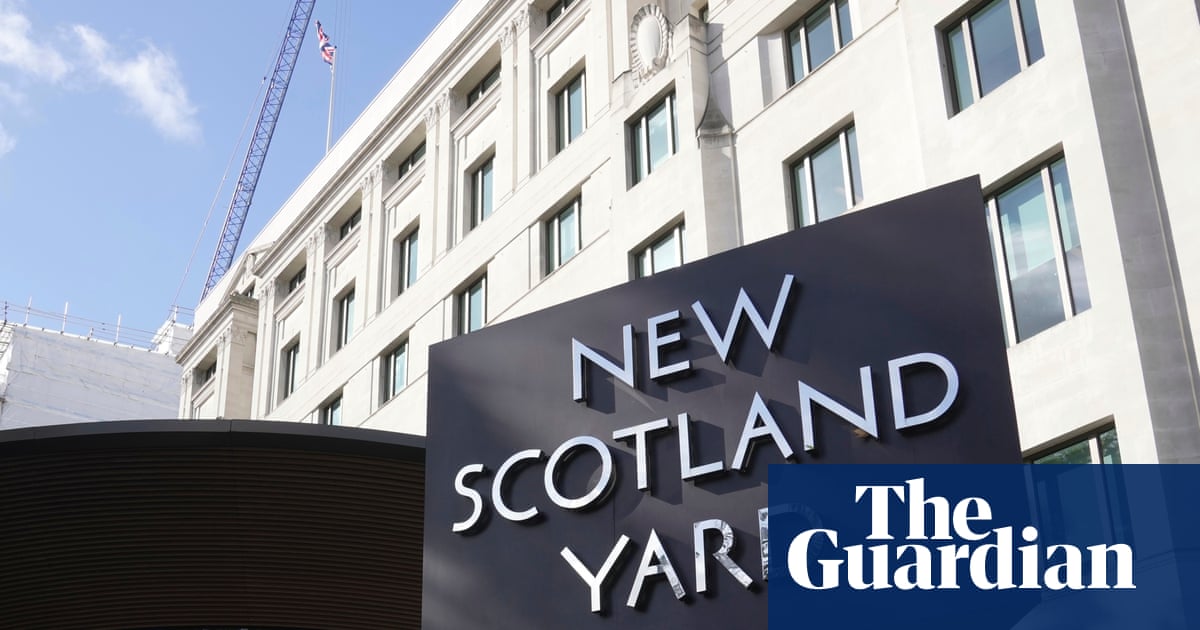
The Met police are using AI to detect misconduct by officers, and the pilot project with Palantir has been extended for 12 months while a new procurement process takes place.
The police are using a computer program to help them find bad officers. This program looks at lots of data to see if anyone is doing something wrong. The police are happy with how it's working, but they need to make sure they're following the rules when they choose a company to help them with this.
Analysis
The Background of the Deal
The Metropolitan police initially appointed Palantir on a deal to use artificial intelligence to detect rogue officers by scanning for potential abuses of rosters and other systems. However, the mayor of London, Sadiq Khan, blocked a £50m deal between the Met and Palantir, citing a "clear and serious breach" of procurement rules.
The Extension and Procurement Process
The Met has now been granted a 12-month extension to the pilot project with Palantir, allowing the force to continue using the AI system while a new procurement process takes place. The deputy mayor has required the Met to run a new procurement process, open to a wide range of potential suppliers, to choose the long-term provider of this capability.
The Implications of AI in Policing
The use of AI in policing has the potential to revolutionize the way law enforcement agencies operate, but it also raises important questions about privacy, accountability, and the potential for bias in decision-making. The Met's use of Palantir's AI system has already led to the identification of potential misconduct by officers, and the force is now looking to expand its use of technology to streamline administrative processes and free up officers to police the streets of London.
Key points
- The Met police have been granted a 12-month extension to a pilot project with Palantir
- The force will now run a procurement process to appoint a long-term supplier
- The use of AI in policing raises important questions about privacy and accountability
The use of AI in policing could lead to more efficient and effective law enforcement, allowing officers to focus on high-priority tasks and improving public safety. The Met's use of Palantir's AI system has already shown promising results, and the extension of the pilot project could lead to further innovations in policing.
The use of AI in policing also raises concerns about privacy and accountability, and the potential for bias in decision-making. If not properly regulated, the use of AI could lead to unintended consequences, such as the targeting of certain groups or individuals.