Meta Fined $567 Million in Largest Ruling Yet on Child Safety
A US judge has ordered Meta to pay $567 million in the largest ruling yet on child safety, saying the company is a 'public nuisance' that poses a risk to children's well-being.
Intelligence analysis by Llama
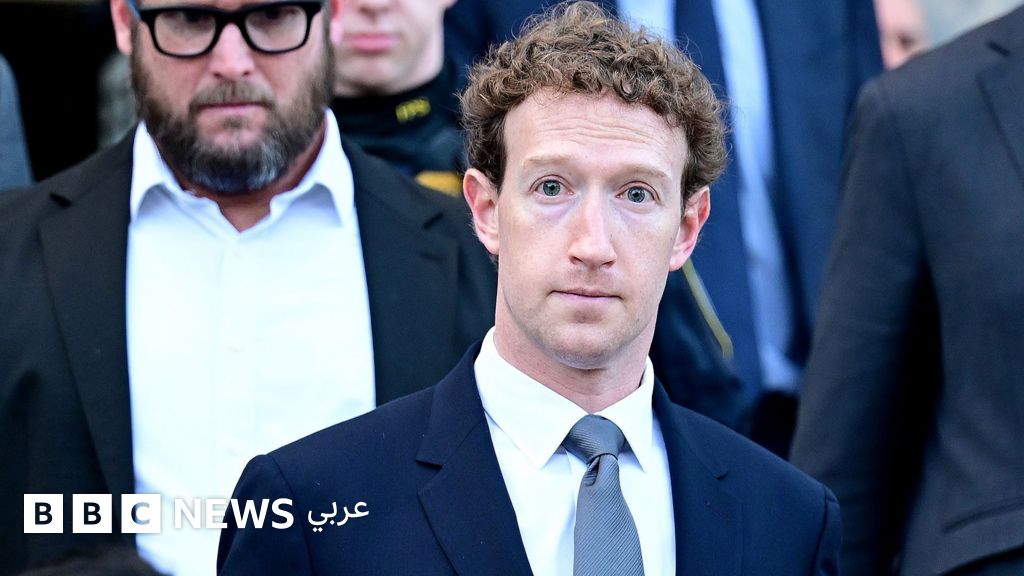
A US judge has ordered Meta to pay $567 million in the largest ruling yet on child safety, saying the company is a 'public nuisance' that poses a risk to children's well-being. The ruling is a significant blow to Meta, which has faced numerous lawsuits over its handling of child safety.
Imagine you're playing a game online, but someone is trying to trick you into doing something bad. That's what's happening with kids on social media. Companies like Meta need to make sure they're keeping kids safe from bad people and bad things online.
Analysis
The Largest Ruling Yet on Child Safety
A US judge has ordered Meta to pay $567 million in the largest ruling yet on child safety, saying the company is a 'public nuisance' that poses a risk to children's well-being. The ruling is a significant blow to Meta, which has faced numerous lawsuits over its handling of child safety.
The judge's decision was based on evidence that Meta's platforms had failed to protect children from online harms, including exposure to explicit content and interactions with predators. The company's algorithms had also been shown to prioritize the spread of misinformation and hate speech, which can have serious consequences for children's mental health and well-being.
The ruling is a significant step forward in holding tech companies accountable for their impact on children's safety and well-being. It also highlights the need for companies like Meta to take responsibility for their role in shaping online discourse and protecting vulnerable users.
The Impact on Children's Safety
The ruling is a major victory for child safety advocates, who have long argued that tech companies have a responsibility to protect children from online harms. The judge's decision sends a clear message that companies like Meta cannot ignore the risks posed by their platforms and must take concrete steps to mitigate them.
The impact of the ruling will be felt far beyond the courtroom. It will put pressure on other tech companies to prioritize child safety and take responsibility for their role in shaping online discourse. It will also raise awareness about the importance of online safety and the need for companies to take concrete steps to protect vulnerable users.
The Future of Tech Regulation
The ruling is also significant because it sets a precedent for future tech regulation. It shows that judges are willing to hold tech companies accountable for their impact on children's safety and well-being, and that they will not tolerate companies that prioritize profits over people.
The ruling will likely have far-reaching implications for the tech industry, including the development of new regulations and standards for online safety. It will also put pressure on governments to take a more active role in regulating the tech industry and protecting vulnerable users.
In conclusion, the ruling is a significant step forward in holding tech companies accountable for their impact on children's safety and well-being. It highlights the need for companies like Meta to take responsibility for their role in shaping online discourse and protecting vulnerable users. It also sets a precedent for future tech regulation and will likely have far-reaching implications for the tech industry.
Key points
- Meta has been ordered to pay $567 million in the largest ruling yet on child safety.
- The ruling is based on evidence that Meta's platforms have failed to protect children from online harms.
- The judge's decision sends a clear message that companies like Meta must take responsibility for their role in shaping online discourse and protecting vulnerable users.
- The ruling is a significant step forward in holding tech companies accountable for their impact on children's safety and well-being.
- The impact of the ruling will be felt far beyond the courtroom, including the development of new regulations and standards for online safety.
If Meta takes this ruling seriously and makes significant changes to its platforms, it could lead to a safer online environment for children. This could also lead to increased transparency and accountability from tech companies, which could have a positive impact on the industry as a whole.
If Meta continues to prioritize profits over people, it could lead to further lawsuits and regulatory action. This could also lead to a loss of public trust in the tech industry, which could have long-term consequences for the companies involved.