Meta launches audio-only glasses and Gen 3 Ray-Ban with slimmer designs
Meta has unveiled its new Ray-Ban Meta (Gen 3) smart glasses, featuring a slimmer design and extended battery life, alongside a new audio-only lineup and a more affordable entry-level model starting at $249.
Intelligence analysis by Gemini 2.5 Flash
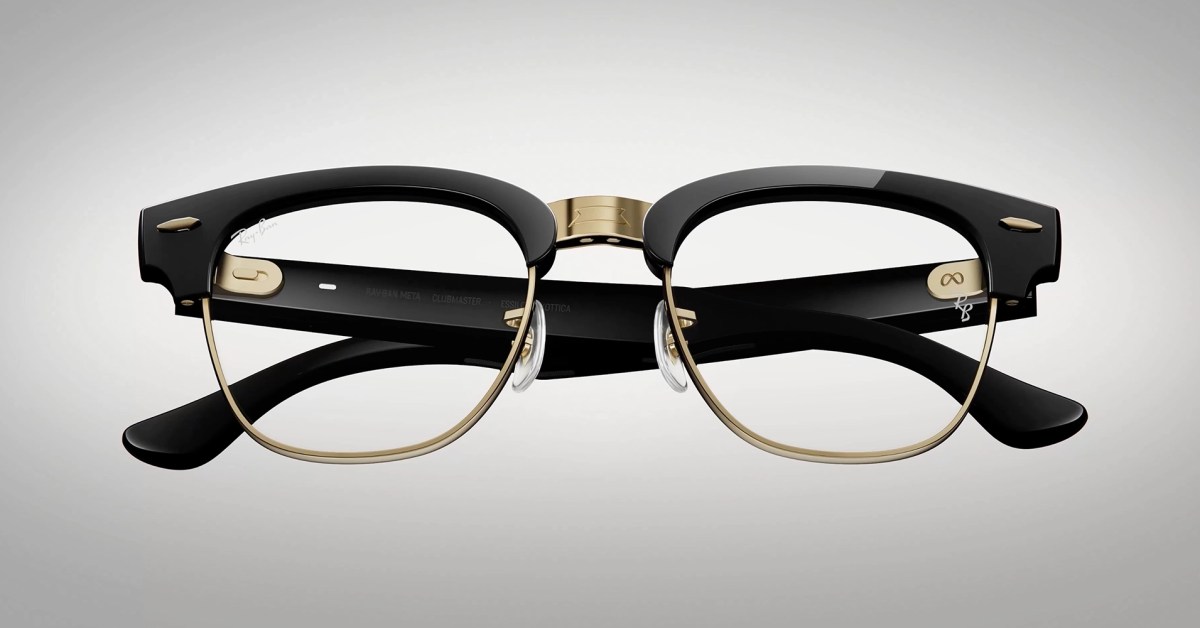
Meta is expanding its smart glasses portfolio with three new releases, including the third generation of Ray-Ban Meta glasses with improved battery and design, a new audio-only variant for privacy and comfort, and a budget-friendly option. The company is also enhancing its Display glasses with new features and expanding their availability to more regions.
Imagine your regular glasses, but super smart! Meta has made new ones, some that just play music and let you talk on the phone, like tiny headphones hidden in your glasses, but they look much cooler and last a long time. Others have a tiny camera to take pictures and videos, and some even show you information right on the glass, like a tiny computer screen. They're trying to make them look more like normal glasses so everyone might want to wear them.
Analysis
Meta's latest foray into the smart glasses market, marked by the introduction of the Ray-Ban Meta (Gen 3) and a new audio-only line, underscores the company's persistent vision for wearable technology. Despite facing "public backlash in recent months" regarding privacy, Meta asserts its position as a dominant player, indicating a belief in the long-term viability and demand for such devices. The strategy appears to be multi-pronged, addressing different user needs and price points, from an entry-level $249 model to the more advanced $799 Display glasses.
Ray-Ban Meta (Gen 3)
The third generation of Ray-Ban Meta smart glasses builds upon its predecessors with notable improvements in design and functionality. These glasses boast a "slimmer" profile and an extended battery life of nine hours, an hour more than the Gen 2. Crucially, they retain the 3K video recording capabilities, suggesting Meta is not backing down from the camera integration that has been a point of contention. The introduction of 27 style combinations across "Aviator," "Wayfarer," and "Zena" frames indicates a strong focus on fashion and personalization, aiming to make smart glasses more appealing as everyday accessories rather than just tech gadgets.
Audio-only Glasses
Perhaps the most significant new offering is the Ray-Ban Meta Audio, an audio-only variant priced at $349. By ditching the camera, Meta directly addresses some of the privacy concerns that have plagued smart glasses. This design choice results in a "much slimmer form factor" and a significantly longer battery life of 12 hours on a single charge, extending to 48 hours with the charging case. The focus on audio, combined with features like "professional-adjustable temple tips" and "swappable nose pads," suggests a move towards making these glasses a comfortable and discreet audio companion, akin to advanced earbuds integrated into eyewear, potentially broadening their appeal to a more privacy-conscious demographic.
Display Glasses
Meta's Display glasses, priced at $799, represent the higher end of their smart glasses spectrum, now receiving substantial upgrades. These enhancements include hands-free navigation, "Hologram" personas for video calls, new applications, and notification mirroring from smartphones. The integration with Threads, Meta's social media platform, further ties these devices into the company's broader ecosystem. Expanding availability to the UK, Canada, France, Italy, and Germany, alongside online ordering in the US, signals Meta's intent to push these more advanced augmented reality-lite devices into a wider international market, positioning them as a premium offering for early adopters interested in more immersive wearable experiences.
Key points
- Meta launched new Ray-Ban Meta (Gen 3) smart glasses with a slimmer design and 9-hour battery life.
- A new audio-only lineup, Ray-Ban Meta Audio, was introduced, ditching cameras for a slimmer form factor and 12-hour battery.
- An entry-level Meta Glasses model is available for $249, expanding accessibility.
- Meta's Display glasses received upgrades like hands-free navigation, 'Hologram' personas, and Threads integration.
- The Display glasses are expanding to the UK, Canada, France, Italy, and Germany, and are now available online in the US.
The introduction of audio-only glasses could significantly reduce privacy concerns, making smart glasses more palatable for a wider audience and accelerating mainstream adoption. The diverse range of styles and price points, from entry-level to advanced display models, suggests Meta is strategically positioning itself to capture various segments of the wearable tech market.
Despite the new audio-only option, lingering public backlash and privacy concerns surrounding camera-equipped smart glasses could still hinder widespread acceptance. The high price point of the Display glasses might also limit their appeal to a niche market, preventing Meta from achieving the mass adoption it seeks for its broader smart glasses ecosystem.