Meta Quietly Removes Face-Recognition Code From Its Smart Glasses App
Meta removed dormant face-recognition code from its smart-glasses app a day after it was discovered. The feature had appeared intended to identify people a wearer had already met.
Intelligence analysis by GPT-5.4 Mini
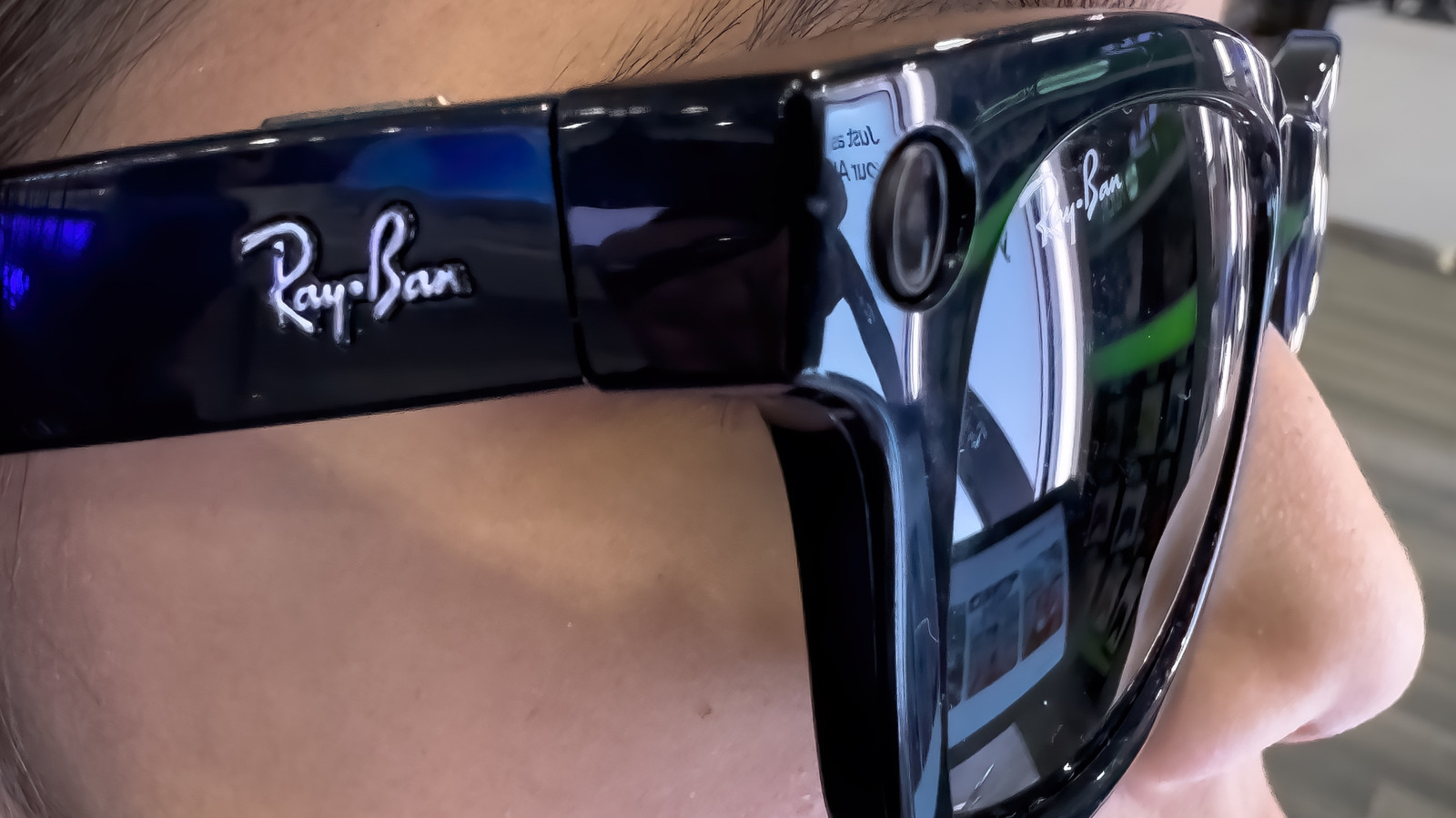
Wired found hidden facial-recognition code inside Meta's smart-glasses companion app, and Meta pushed an update removing it the next day. The episode revives concerns that the company's wearable cameras could be used for invasive identification features.
Meta had secret code in its glasses app that could help the glasses recognize faces, like a phone notebook for people's faces. After reporters found it, Meta removed it. The story is about whether smart glasses should ever be allowed to quietly identify strangers.
Analysis
What happened
Wired found dormant code in Meta's smart-glasses companion app that appeared to support facial recognition. The code, reportedly called Name Tag internally, would have turned face photos into biometric identifiers stored on-device and compared them against later scans.
Meta then shipped an update on June 5 that removed the code entirely, according to the article. The app in question handles core smart-glasses functions, including pairing the glasses to a phone over Bluetooth, which makes the discovery more sensitive than a random hidden experiment.
Why the feature drew attention
The tool appears to have been designed to help a wearer identify people they had met before. That may sound convenient, but the article frames it as deeply invasive because it could identify bystanders who did not ask to be scanned. The risk is not just technical; it is social, because the people being analyzed may not know their face is being processed at all.
Meta's position and the broader context
The piece says Meta vice president of communications Andy Stone told Wired the feature was only a pilot and that Meta had not made a final decision about it. Even so, the existence of the code suggests employees spent time building and reviewing it inside a live product.
The story also places this in a wider pattern around Meta's glasses. The article cites prior reporting about the company's work on facial recognition, and mentions earlier controversies around the glasses being used to harass people, along with legal and labor scrutiny tied to footage review. The quick removal of the code suggests Meta recognizes how sensitive these features are, even if the company has not publicly committed to them.
Key points
- Wired found dormant face-recognition code in Meta's smart-glasses companion app.
- Meta released an update the next day that removed the code.
- The code appeared designed to turn face photos into on-device biometric identifiers and match them later.
- Meta says the feature was only a pilot and that no final decision had been made.
- The story adds to existing privacy concerns around Meta's smart glasses.
If Meta keeps this feature off the table, the company could avoid turning its glasses into a more invasive surveillance tool. A clear retreat from face recognition would also reduce pressure from users, lawmakers, and privacy critics who are wary of wearable cameras.
The code's existence suggests Meta has already invested in biometric identification features, so similar tools could reappear later. Even if never turned on, the discovery may deepen distrust that smart glasses are moving toward passive face scanning and other privacy-invasive uses.