Metalunderground in Syria: When Satan Worship Requires a Long Breath
In Syria, metal fans have been secretly enjoying their passion for heavy metal music between isolation, creativity, and persecution over the years. A true story.
Intelligence analysis by Llama
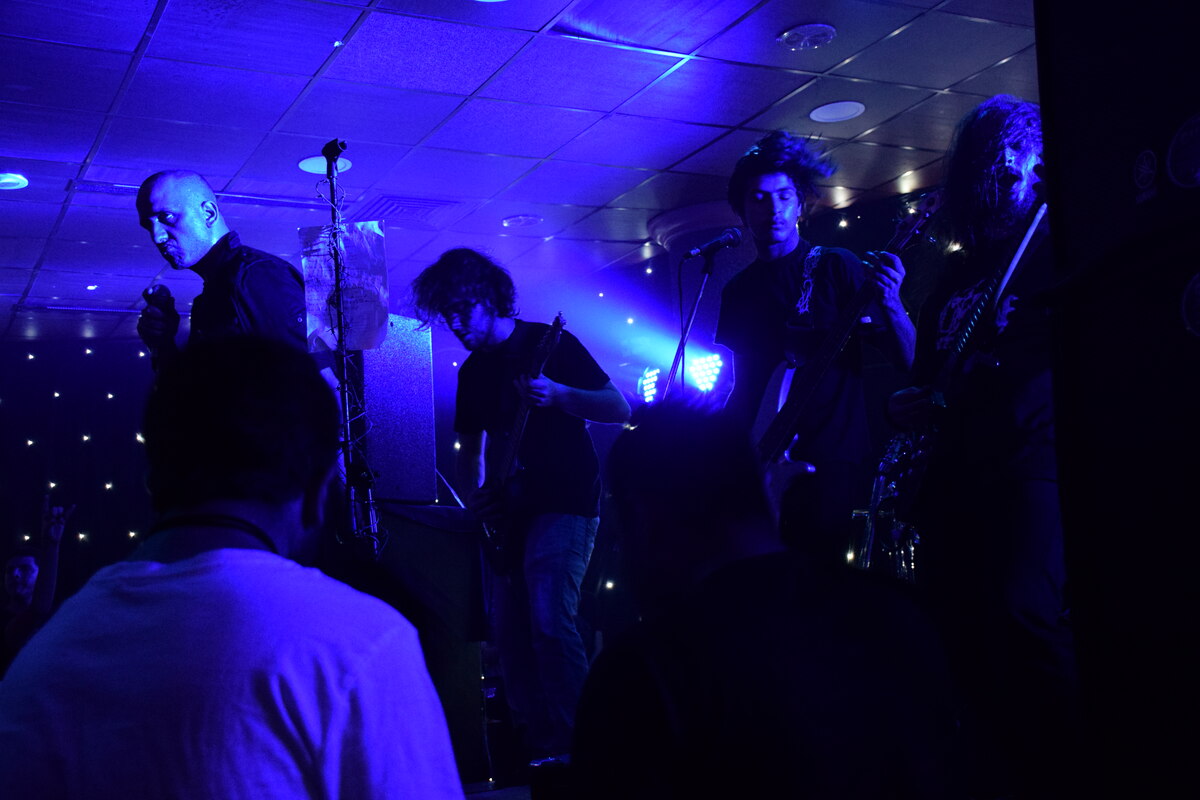
A Syrian metal fan recounts his experiences with the underground metal scene in Syria, where fans had to hide their love for heavy metal music due to government persecution.
Imagine you love a type of music that's not allowed in your country. You have to listen to it secretly, and even the people who make the music can't be open about it. That's what happened in Syria with heavy metal music. A group of fans and musicians kept the music alive, even when it was hard and scary.
Analysis
A Secret History of Metal in Syria
In the 1960s, rock music was already known in Syria, and platen and cassette shops in Damascus and Aleppo offered a wide range of international music, including heavy metal. Bands like The Cats, Tigers, and Rockestra emerged, performing cover versions of Western bands like The Beatles and Pink Floyd. However, heavy metal faced greater resistance, and its harder sound and aesthetic were seen as foreign by many.
Despite this, a community of metal fans and musicians formed, with pioneers like Jack Power, a singer who was influenced by Ozzy Osbourne and Black Sabbath. Power's band, Weltschmerz, was one of the first Syrian metal bands, and they performed at the Aleppo Citadel in 1989, attracting an estimated 6,000 people. However, Power never received the public recognition he deserved, and he was forced to sell sweets and fruit juice outside his house in his later years due to a stroke that left him unable to sing.
The story of Syrian metal is one of secrecy and perseverance, with fans and musicians hiding their love for the music due to government persecution. Despite the challenges, the scene continued to thrive, with bands like Weltschmerz paving the way for others. Today, the legacy of Syrian metal lives on, with fans and musicians continuing to celebrate the music that brought them together.
A Forgotten Voice
Jack Power's story is a testament to the power of music to bring people together, even in the face of adversity. His influence on the Syrian metal scene cannot be overstated, and his legacy continues to inspire new generations of metal fans. Despite his untimely death, Power's music lives on, and his story serves as a reminder of the importance of preserving the history of underground music scenes.
A Secret History Uncovered
The story of Syrian metal is one of secrecy and perseverance, with fans and musicians hiding their love for the music due to government persecution. However, through the efforts of fans and musicians, the history of Syrian metal is slowly being uncovered, and the legacy of this unique and fascinating scene is being preserved.
Key points
- Heavy metal music was introduced to Syria in the 1960s through international music.
- The Syrian metal scene faced greater resistance due to its harder sound and aesthetic.
- Pioneers like Jack Power and his band Weltschmerz emerged, performing at the Aleppo Citadel in 1989.
- Power never received public recognition for his contributions to the Syrian metal scene.
- The legacy of Syrian metal lives on, with fans and musicians continuing to celebrate the music that brought them together.
If the Syrian metal scene continues to thrive, it could inspire a new generation of musicians and fans to celebrate the power of music to bring people together, even in the face of adversity.
The Syrian metal scene faces ongoing challenges due to government persecution and censorship, which could lead to the suppression of this unique and fascinating music culture.

