Metro to close Paragon, Causeway Point stores when leases end in retail overhaul
Metro Holdings will stop operating its department stores at Paragon and Causeway Point when the current leases expire, as it intends to progressively move away from the traditional large-format department store format.
Intelligence analysis by Llama
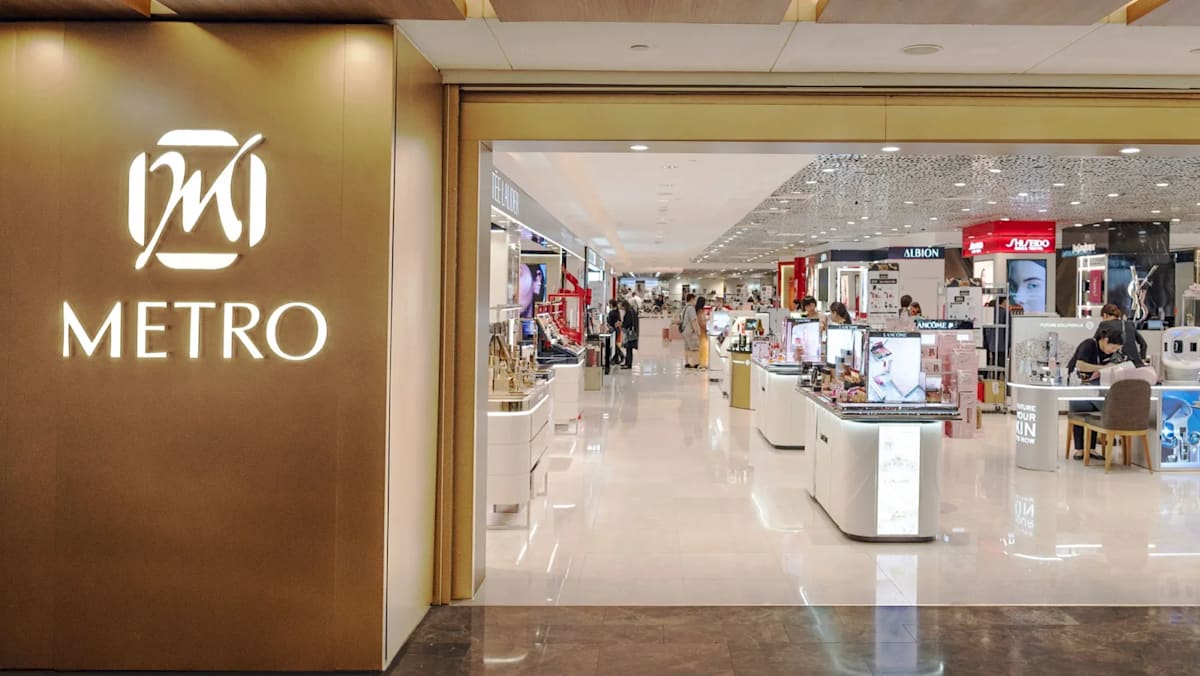
Metro Holdings will close its department stores at Paragon and Causeway Point when the current leases expire, as it shifts its retail strategy to better align with evolving consumer preferences and shopping habits.
Imagine you're at a big store with lots of different shops inside. That's what a department store is. But now, people are shopping online and want to experience things in person. So, the store is closing and the company is changing its strategy to make it more fun and efficient for customers.
Analysis
A Shift in Retail Strategy
Metro Holdings' decision to close its department stores at Paragon and Causeway Point marks a significant shift in the retail landscape in Singapore. The company's intention to progressively move away from the traditional large-format department store format is a response to evolving consumer preferences and shopping habits. As consumers increasingly turn to online shopping and experiential retail, traditional department stores are struggling to adapt.
The Impact on Retail
The closure of Metro's department stores will have a significant impact on the retail landscape in Singapore. The company's decision to shift its strategy to a more flexible retail approach aimed at improving customer engagement, boosting operational efficiency, and pursuing new growth opportunities will likely lead to a change in the way consumers shop. The company's plans to transition in phases from its long-standing department store model to a more modern and agile retail approach will require significant investment and resources.
The Future of Retail
The future of retail in Singapore is uncertain, but one thing is clear: the traditional department store model is no longer sustainable. As consumers increasingly demand more personalized and immersive shopping experiences, retailers must adapt to meet their needs. Metro's decision to close its department stores at Paragon and Causeway Point marks a significant step in this direction. The company's shift in retail strategy will likely lead to a change in the way consumers shop, and retailers must be prepared to adapt to meet the changing needs of their customers.
Key points
- Metro Holdings will close its department stores at Paragon and Causeway Point when the current leases expire.
- The company is shifting its retail strategy to a more flexible retail approach aimed at improving customer engagement, boosting operational efficiency, and pursuing new growth opportunities.
- Metro plans to transition in phases from its long-standing department store model to a more modern and agile retail approach.
- The company is assessing the financial implications of the move and expects it to have a material effect on earnings.
If Metro's new retail strategy is successful, it could lead to a more personalized and immersive shopping experience for customers. This could attract more customers to the stores and increase sales.
If Metro's new retail strategy fails, it could lead to a decline in sales and a loss of market share. This could also lead to job losses and a negative impact on the local economy.