Micron, Sandisk, and SK Hynix: History Says This About the Memory Trio's Rally
Memory stocks have been on a tremendous run, driven by surging prices, ballooning gross margins, and huge free cash flow. Micron Technology, Sandisk, and SK Hynix have seen their stocks go parabolic this year, with Micron up over 700%, Sandisk up 3,400%, and SK Hynix's Ko…
Intelligence analysis by Llama
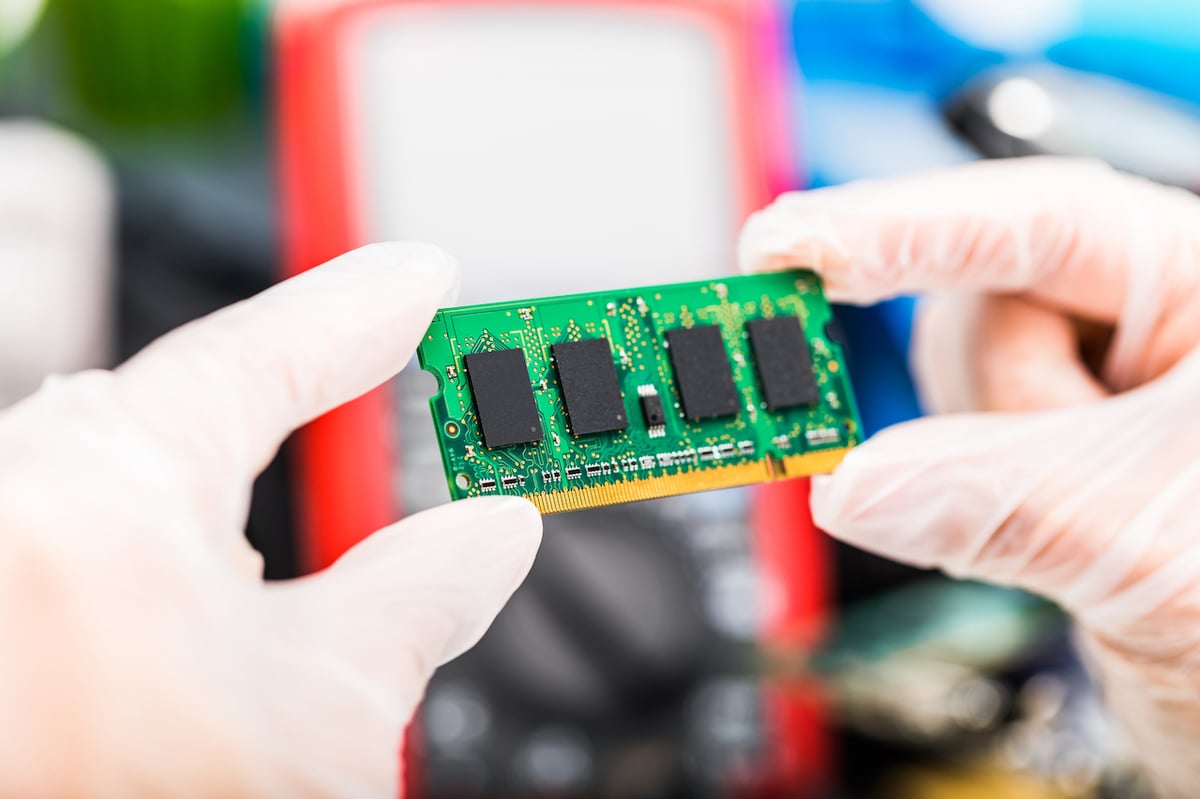
The current memory supercycle is tied to the AI infrastructure build-out, leading to major supply-demand imbalances. The memory market is divided between DRAM and NAND, with both seeing tremendous increases in AI-related demand. The biggest driver is high-bandwidth memory (HBM), which is packaged with GPUs and other AI chips to reduce latency and power consumption.
Imagine you have a super powerful computer that needs a lot of memory to store and process information. This is what's happening with AI, and it's driving up the demand for memory. The companies that make memory, like Micron and Sandisk, are struggling to keep up with this demand, which is causing prices to rise.
Analysis
The AI Infrastructure Build-Out and Its Impact on the Memory Market
The current memory supercycle can be tied directly to the AI infrastructure build-out, which has led to major supply-demand imbalances. The memory market is divided between DRAM (dynamic random access memory), used for very short-term storage, and NAND (flash), which retains data longer. Both have seen tremendous increases in AI-related demand.
High-Bandwidth Memory (HBM) and Its Role in the Market
The biggest driver in the market right now is high-bandwidth memory (HBM), which is packaged with graphics processing units (GPUs) and other AI chips to reduce latency and power consumption. It's one of the biggest bottlenecks in all of AI, and as such, the big three DRAM makers -- SK Hynix, Samsung, and Micron -- have been dedicating most of their resources to keeping up with demand. This is leading to a supply shortage across the entire DRAM market and skyrocketing prices.
The Supply Constrained NAND Market
Flash memory, meanwhile, is used in colossal enterprise solid-state drives (SSDs) that store training data. Flash has been supply-constrained as the big three memory makers have shifted their focus to HBM, after earlier cutting production and redirecting resources toward DRAM following the NAND market's crash after the pandemic. Stay-at-home mandates had led to a pull-through in demand for electronics, which are big users of flash memory, but once they were lifted, the market collapsed.
Key points
- The current memory supercycle is driven by the AI infrastructure build-out.
- High-bandwidth memory (HBM) is the biggest driver in the market right now.
- The supply shortage in the DRAM market is causing prices to rise.
- The NAND market has been supply-constrained due to the focus on HBM.
- Memory makers like Micron and Sandisk have secured long-term contracts, which could provide a stable source of revenue.
If the AI infrastructure build-out continues to drive demand for memory, memory makers like Micron and Sandisk could see their stocks continue to rise. Additionally, the long-term contracts secured by these companies could provide a stable source of revenue.
However, if the supply shortage in the DRAM market continues, prices could drop, and memory makers could see their stocks decline. Additionally, if the NAND market does not recover, it could impact the overall memory market and lead to further declines in stock prices.