Microsoft testing wearable AI gadget aimed at office workers
Microsoft is testing a wearable AI badge and a small desk cube for office workers, with pilots informing future products.
Intelligence analysis by GPT-5.4 Mini
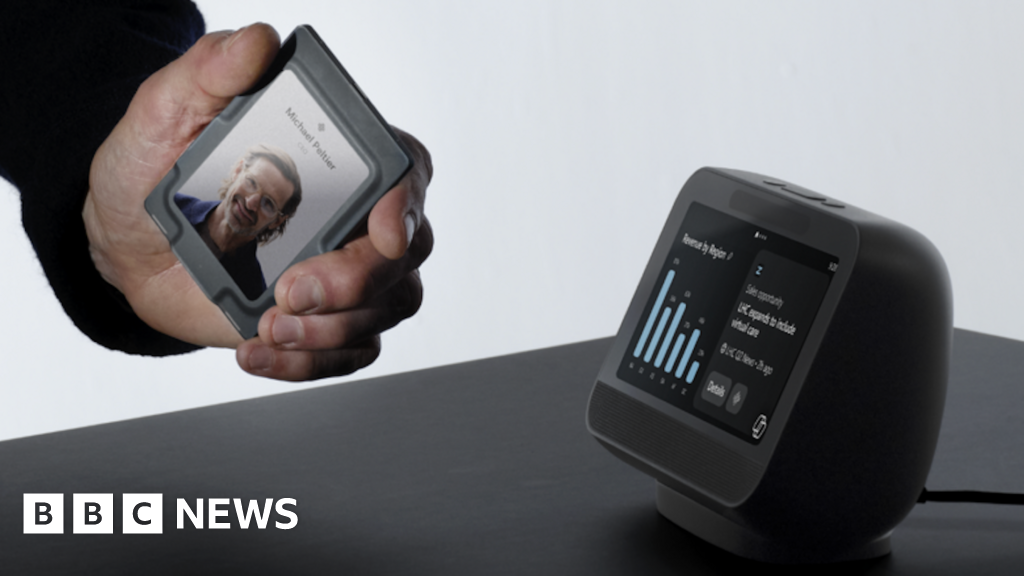
Microsoft is experimenting with two AI-enabled devices for workplace use: a desk-side cube and a wearable badge. The company says the current pilots are limited, but they could shape future hardware for interacting with AI agents away from a laptop.
Microsoft is testing a tiny desk gadget and a badge you can wear that help people talk to computer helpers. It is like giving a worker a walkie-talkie for AI, instead of always opening a laptop.
Analysis
What Microsoft showed
At its yearly developer conference, Microsoft executive Steven Bathiche presented two hardware concepts built around AI use at work. One is a small portable cube with a touch screen and voice controls for a desk. The other is a wearable access badge that can hang from a neck lanyard or attach to a belt loop.
How it would work
The company says both devices are designed to give faster access to AI-driven work. In a demo tied to what Satya Nadella called Project Solara, office workers were shown tapping the devices to view and connect with tasks handled by AI agents. Microsoft described those agents as bots that can perform tasks with some independence.
The badge is meant to be used on the go and is described as lightweight. During the demonstration, Bathiche said he activated it with a fingerprint and used its camera to capture images of the audience and send them for review. Microsoft says the camera is meant to help agents understand the surrounding environment and act on it.
Where this sits in Microsoft’s hardware history
Microsoft was careful to say it is not promising either product for sale. The company said the devices are in pilot use among a few hundred employees and that the results will shape future versions. That caution matters, because Microsoft previously spent years on the HoloLens headset before ending production in 2024.
The story also lands in a broader industry push toward wearables. Google has said it wants another try at smart glasses after the Google Glass failure. For Microsoft, the key question is whether AI assistants are better served by a new device category rather than only by phones, laptops, or desktops.
Key points
- Microsoft is testing two AI-focused hardware concepts: a desk cube and a wearable badge.
- The devices are meant to help office workers interact with AI agents outside a laptop or desktop.
- The company says the current tests involve only a few hundred employees and do not guarantee a product launch.
- Microsoft’s earlier wearable effort, HoloLens, was discontinued in 2024 after long development.
- The badge includes a camera, which raises the same kinds of privacy questions seen around other AI wearables.
If the pilots work, Microsoft could build a new way for office workers to use AI agents without staying tied to a laptop. The devices could make AI help feel faster and more natural in everyday work.
The hardware may never move beyond pilot tests, especially since Microsoft has already walked away from HoloLens after years of effort. Wearable cameras also invite scrutiny over privacy, recording, and how the images are used.