Middle East War Dominates ASEAN Foreign Ministers Manila Summit
The ASEAN foreign ministers' meeting in Manila was overshadowed by the war in the Middle East and tensions in the South China Sea. The US and China continued to engage in a diplomatic spat, with the US condemning China's actions in the South China Sea and China accusing t…
Intelligence analysis by Llama

The ASEAN foreign ministers' meeting in Manila was dominated by the war in the Middle East and tensions in the South China Sea. The US and China continued to engage in a diplomatic spat, with the US condemning China's actions in the South China Sea and China accusing the US of trying to ram its boat.
Imagine you're at a big meeting with your friends, but someone else is trying to steal the show. That's what's happening at the ASEAN foreign ministers' meeting in Manila. The war in the Middle East is dominating the agenda, and tensions in the South China Sea are still simmering. It's like a big game of diplomatic chess, and ASEAN's member states are trying to navigate the complex web of alliances and rivalries.
Analysis
ASEAN's Middle East Conundrum
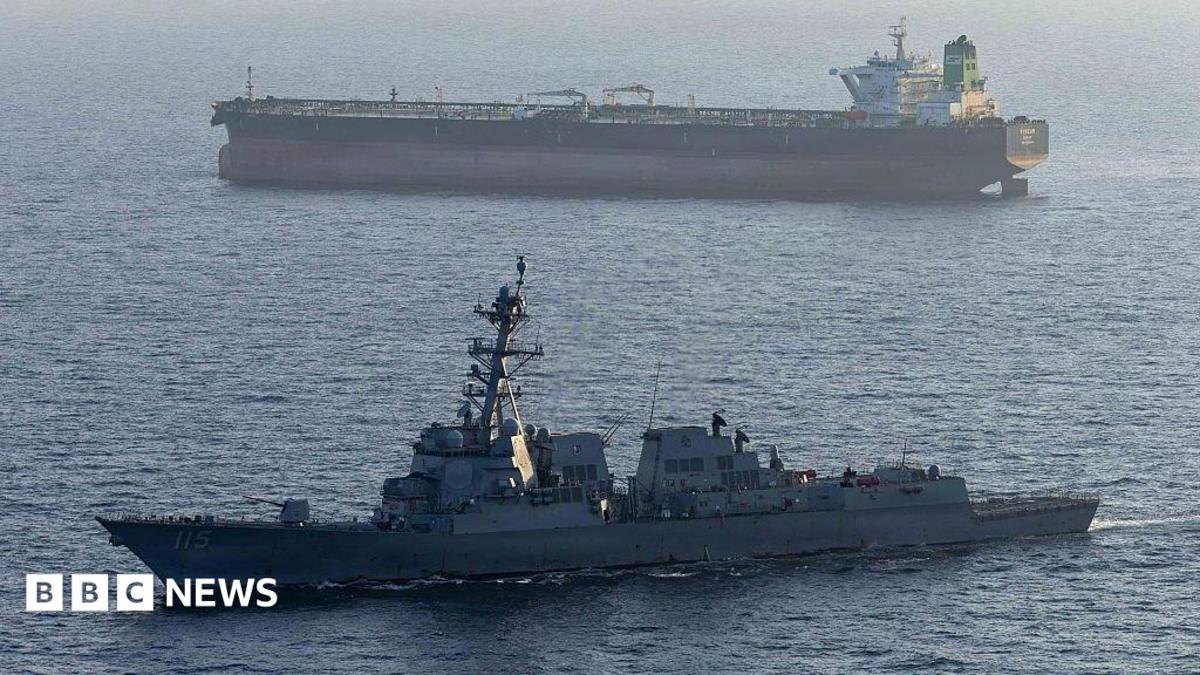
The war in the Middle East has dominated the agenda at the ASEAN foreign ministers' meeting in Manila. The conflict has significant implications for the region's energy and food security, and ASEAN's member states are caught in the middle. The US and China's diplomatic spat has major implications for the global balance of power, and ASEAN's member states are struggling to navigate the complex web of alliances and rivalries.
The South China Sea: A Distant Second
While the war in the Middle East has dominated the agenda, tensions in the South China Sea have not gone away. The US and China continued to engage in a diplomatic spat, with the US condemning China's actions in the South China Sea and China accusing the US of trying to ram its boat. The Philippines has accused China of firing a water cannon at Philippine fisheries boats, and the US has released a statement condemning China's actions.
ASEAN's Energy Security Initiatives
ASEAN's member states are struggling to navigate the complex web of alliances and rivalries in the region. Japan has talked up its regional energy security initiatives as it continues to try to play a more active role balancing China in the region. War in the Middle East, not the South China Sea, seems to have dominated the agenda. Afterward, Singaporean Foreign Minister Vivian Balakrishnan flagged the effects of Strait of Hormuz and Red Sea turmoil on trade, as well as the implications for international law, as the central issues of the meeting.
Key points
- The war in the Middle East has dominated the agenda at the ASEAN foreign ministers' meeting in Manila.
- Tensions in the South China Sea have not gone away, with the US and China continuing to engage in a diplomatic spat.
- ASEAN's member states are struggling to navigate the complex web of alliances and rivalries in the region.
- Japan has talked up its regional energy security initiatives as it continues to try to play a more active role balancing China in the region.
- War in the Middle East, not the South China Sea, seems to have dominated the agenda.
The US and China's diplomatic spat may eventually lead to a resolution, and ASEAN's member states may be able to navigate the complex web of alliances and rivalries in the region. However, the war in the Middle East and tensions in the South China Sea are significant challenges that will take time to resolve.
The war in the Middle East and tensions in the South China Sea are significant challenges that may have long-term implications for the region's energy and food security. ASEAN's member states may struggle to navigate the complex web of alliances and rivalries in the region, and the US and China's diplomatic spat may escalate further.