Migratory crisis in Ceuta: Morocco assures it is taking 'all necessary measures'
Morocco is mobilizing forces to prevent further illegal migration to the Spanish enclaves of Ceuta and Melilla, following a surge of disinformation on social media and a record influx of migrants in late July.
Intelligence analysis by Gemini 2.5 Flash
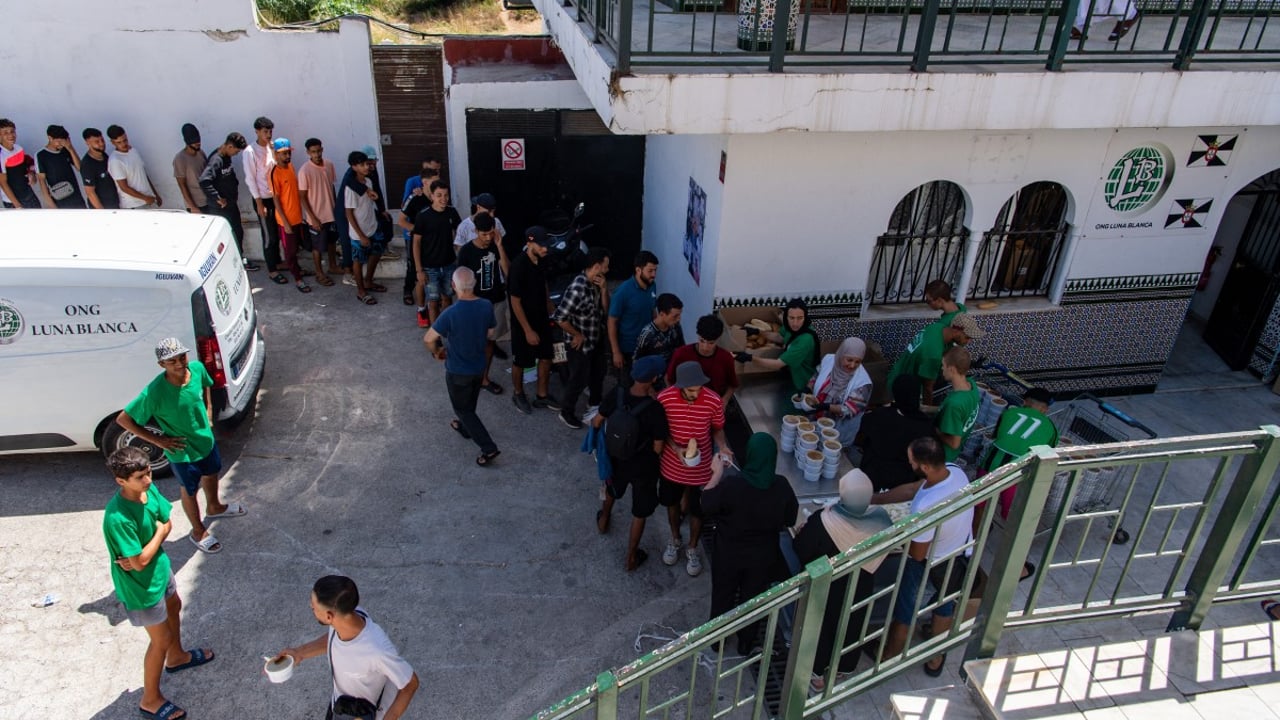
Moroccan authorities are responding to a new wave of online disinformation encouraging illegal crossings to Ceuta and Melilla by deploying security forces and initiating legal procedures against instigators. This comes after a massive influx of 72,000 migrants in late July, highlighting ongoing tensions and humanitarian concerns at the border.
Imagine a game of tag between two countries, Morocco and Spain, but instead of fun, it's about people trying to cross a border. Some people are spreading false rumors online that the border will be wide open, making many try to cross. Morocco is now saying, "Hold on, we're closing the gates and stopping anyone who tries to sneak in, and we're looking for those spreading the rumors." It's a serious situation because many people have tried to cross, and some have even gotten hurt or died.
Analysis
The recent migratory crisis at the Spanish enclaves of Ceuta and Melilla underscores the persistent and complex challenges facing North Africa and Europe regarding irregular migration. The Moroccan government's swift response, including the deployment of security forces and legal action against those spreading disinformation, highlights the urgency with which Rabat views the situation. This proactive stance is a direct reaction to a significant surge in attempted crossings, fueled by anonymous online messages falsely claiming an open border on a Spanish holiday. Such disinformation campaigns exacerbate an already volatile situation, creating false hope and encouraging dangerous journeys. The scale of the recent influx, with 72,000 migrants entering Ceuta in a few days, demonstrates the powerful draw of these enclaves and the desperation of individuals seeking better opportunities or refuge.
Ceuta
The Spanish enclave of Ceuta, along with Melilla, serves as a critical flashpoint in the broader narrative of African migration to Europe. Its geographical position, bordering Morocco, makes it a primary entry point for those attempting to reach European soil. The article notes that approximately 2,000 individuals, including over a thousand unaccompanied minors, remained in Ceuta after the massive influx, posing significant humanitarian and logistical challenges for Spanish authorities. Morocco's call for Spain to "assume their responsibilities and accelerate the return procedures" for these minors points to the shared but often contentious burden of managing these populations. The underlying economic disparities and social malaise in Morocco, as highlighted by related articles, contribute significantly to the migratory pressures on Ceuta, making it more than just a border issue but a symptom of deeper societal problems.
Rachid El Khalfi
Rachid El Khalfi, the spokesperson for the Moroccan Ministry of Interior, articulated the government's firm stance on the crisis, stating that "All necessary measures have been taken to counter any attempt at illegal passage and intercept anyone seeking to participate." His statements, relayed by the official MAP agency, emphasize Morocco's commitment to border security and its determination to combat the incitement of illegal crossings. The arrest of a "group of individuals" suspected of involvement in spreading the false calls for collective passage demonstrates a direct enforcement action. This response is crucial for maintaining order and preventing further loss of life, given the tragic toll of 11 deaths on the Moroccan side and at least 80 on the Spanish side, with NGOs reporting even higher figures.
72,000 migrants
The unprecedented figure of 72,000 migrants entering Ceuta in a matter of days in late July represents a stark illustration of the intensity of the migratory pressures. While 70,000 of these individuals were reportedly returned to Morocco, the sheer volume overwhelmed existing border controls and humanitarian resources. This event was not merely a spontaneous movement but was significantly influenced by the "circulation of publications and anonymous messages on certain social networks" inciting these mass attempts. The incident underscores the growing role of digital platforms in organizing and influencing migratory flows, presenting new challenges for border management and information control. The economic factors, such as unemployment and inequality within Morocco, are often cited as root causes for such large-scale movements, pushing many young people to seek alternatives abroad.
Key points
- Morocco is deploying forces to prevent new illegal migrant crossings to Ceuta and Melilla.
- The action follows a wave of online disinformation claiming the Ceuta border would open on August 15.
- A record 72,000 migrants entered Ceuta in late July, with 70,000 reportedly returned.
- Moroccan authorities have arrested individuals suspected of inciting illegal crossings.
- The crisis has resulted in numerous deaths on both the Moroccan and Spanish sides.
- Morocco urges Spain to accelerate the return of unaccompanied minors remaining in Ceuta.
If Morocco's measures effectively counter disinformation and illegal crossings, it could lead to a more orderly border situation and reduce the immediate risks to migrants. Increased cooperation between Moroccan and Spanish authorities on the return of unaccompanied minors could also improve humanitarian outcomes.
The continued spread of disinformation and underlying socio-economic issues in Morocco could fuel further attempts at illegal crossings, potentially leading to more casualties and heightened tensions between Morocco and Spain. The unresolved status of unaccompanied minors also presents an ongoing humanitarian challenge.