Millions of homes in London, Essex and Kent at risk of sinking as climate crisis worsens
A British Geological Survey analysis warns hotter, drier summers are raising subsidence risk for millions of homes, especially around London and the south-east.
Intelligence analysis by GPT-5.4 Mini
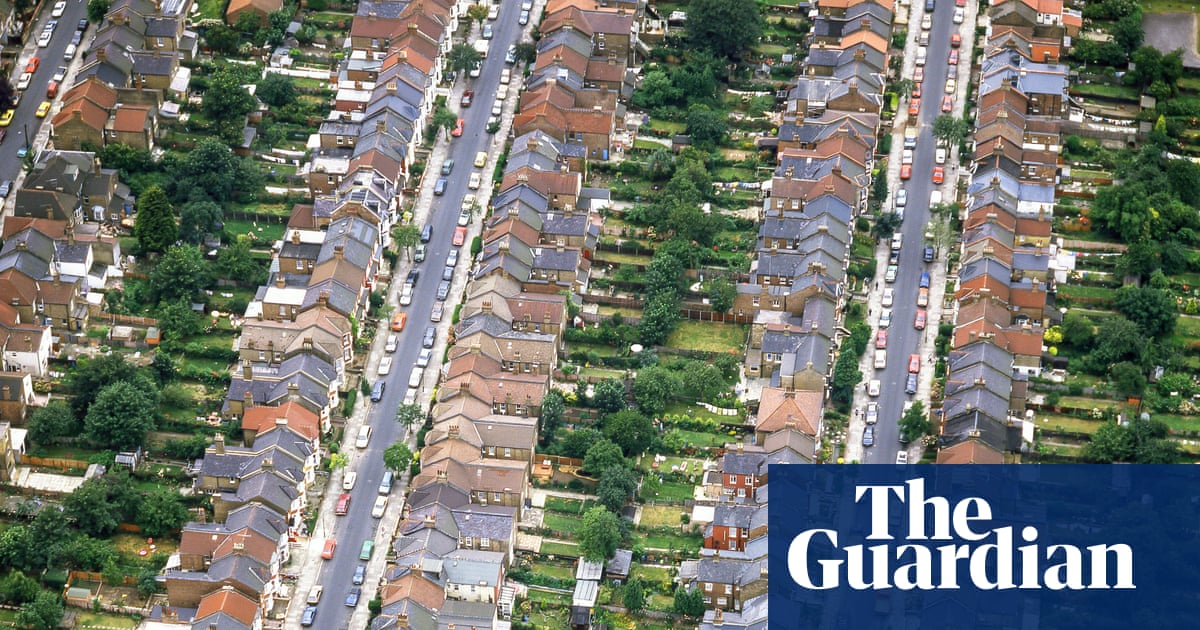
The article says climate change is increasing the risk of shrink-swell subsidence, where dry heat makes clay-rich ground contract and pull foundations down. London, Essex and Kent are among the most exposed areas, with the problem likely to worsen as hotter, drier summers become more common.
Some houses are sitting on ground that acts like a sponge. When it gets very dry, the ground shrinks and can tug the house down a bit, like a rug slipping under a table. That is why more homes in parts of London and the south-east could crack or sink as the weather gets hotter and drier.
Analysis
What the analysis found
The British Geological Survey says millions of homes are exposed to climate-related subsidence as hotter, drier summers become more frequent. The most vulnerable areas include London, Essex, Kent and a band of land running from Oxford to the Wash on England’s east coast.
Why these places are at risk
The issue is shrink-swell subsidence: when dry weather and heat reduce moisture in the ground, the soil can shrink and pull down foundations. Anna Harrison of the BGS said the team combined geotechnical information with rainfall and temperature projections to identify the parts of Great Britain most likely to become susceptible. London stands out because it has both vulnerable ground conditions and a high density of buildings.
Economic impact
Subsidence can seriously affect property values and can lead lenders to refuse mortgages until the problem is fixed. It may require underpinning, land stabilisation, replacing utility pipes, or removing trees and vegetation near the property. The article notes that in the first six months of 2025, UK subsidence-related insurance claims reached £153m.
Scale of the risk
The dataset forecasts around 500,000 affected properties by 2070 under a low-emissions scenario aligned with the Paris agreement. Under a medium-emissions path closer to current global trends, the figure rises to more than 1.8 million properties. In London, the share of properties likely to be affected could exceed 26% by 2070 under the medium scenario.
The article frames this as a growing risk for homeowners, lenders and insurers as dry, hot summers and wetter winters continue to intensify.
Key points
- The British Geological Survey says climate change is increasing the risk of shrink-swell subsidence across millions of homes.
- London, Essex and Kent are among the most vulnerable areas because of both ground conditions and exposure to hotter, drier weather.
- Subsidence can reduce property values, delay mortgages and require expensive engineering work such as underpinning.
- The article cites £153m in UK subsidence-related insurance claims in the first half of 2025.
- By 2070, the number of affected properties could be far lower under low emissions than under a medium-emissions path.
If emissions fall and warming is limited, the article’s low-emissions scenario suggests the number of affected properties could be much lower than under current trends. Better planning, mitigation and repairs could also reduce damage and help protect homes, mortgages and insurance markets.
If hotter, drier summers keep getting more common, the number of homes affected could climb sharply, especially in vulnerable parts of London and the south-east. That would raise repair bills, strain insurers and make it harder for some owners to sell or remortgage homes.